If you've been researching backup generators, you've probably seen natural gas promoted as the ideal generator fuel — automatic, continuous supply, no storage tanks, no deliveries. It's a compelling pitch. But there's a fundamental problem with natural gas generators in Puerto Rico.
⚡ Key Fact: Puerto Rico has no natural gas pipeline infrastructure.
There is no natural gas distribution network on the island. There are no underground natural gas lines running to homes or businesses. There is no natural gas utility. This single fact makes the propane vs natural gas comparison in Puerto Rico fundamentally different from the same comparison on the U.S. mainland.
This guide explains what that means for Puerto Rico homeowners and businesses — and why propane is the functional equivalent of natural gas on the island.
Why Natural Gas Isn't Available in Puerto Rico
On the U.S. mainland, natural gas is distributed through an extensive underground pipeline network that connects to homes and businesses. You turn on a gas appliance and natural gas flows continuously from the utility's pipes. It's convenient, cost-effective, and requires no storage.
Puerto Rico never built this infrastructure. The island's energy history took a different path — one centered on petroleum-based electricity generation through the AEE rather than distributed natural gas. The result is that today, in 2026, there is no residential or commercial natural gas pipeline network anywhere on the island.
This means that any generator marketed as a "natural gas generator" simply cannot be connected to a fuel supply in Puerto Rico — unless it's converted to run on propane.
Propane: The Functional Equivalent of Natural Gas
Here's the good news: propane and natural gas are chemically similar enough that most natural gas appliances and generators can run on propane with minor modifications — typically a different regulator and jet size.
This means that:
- Every generator designed for natural gas can be converted to propane
- Every propane-compatible generator operates similarly to a natural gas generator
- Propane gives Puerto Rico homeowners and businesses all the advantages of gas-powered generation without requiring pipeline infrastructure
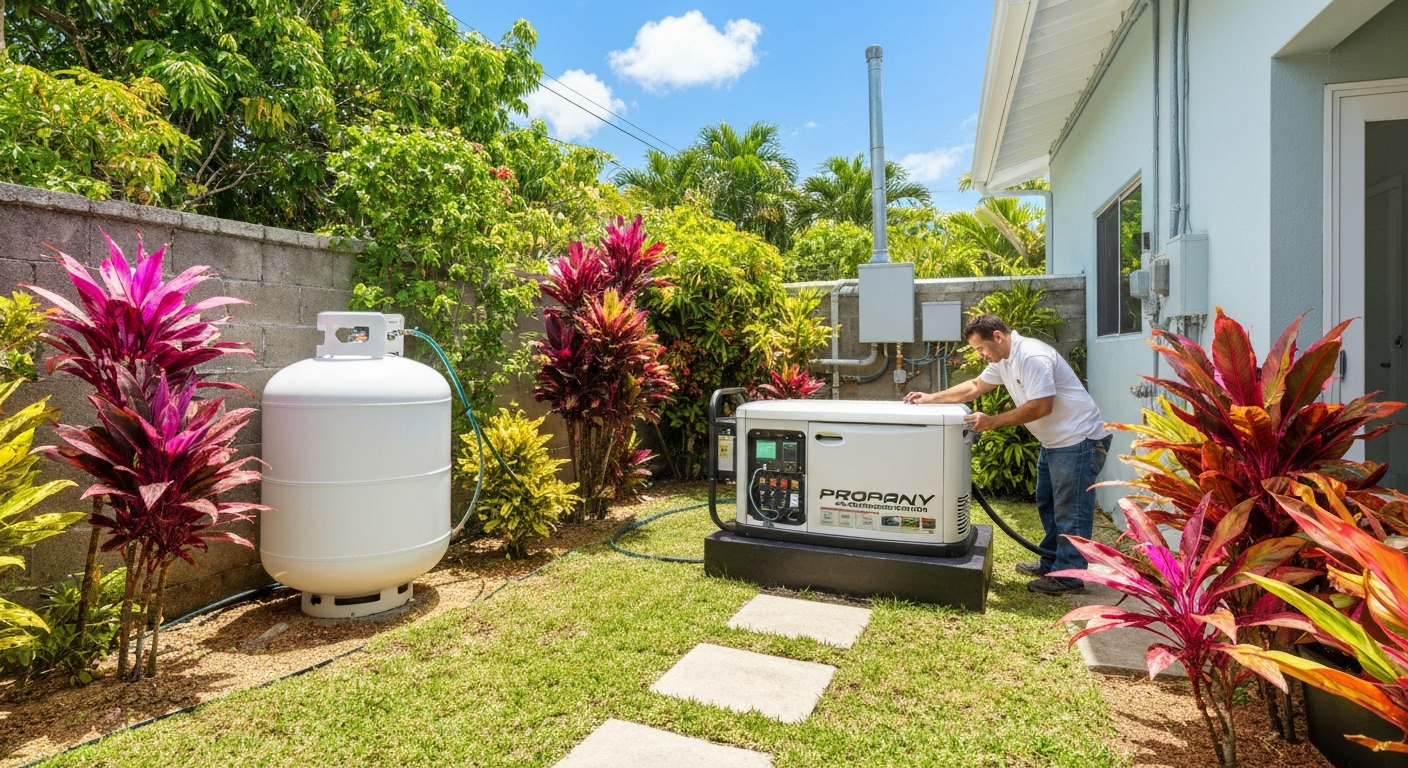
Tropigas installs complete propane fuel systems for generators — tank, regulator, gas lines, and generator connection — to NFPA 58 and NFPA 54 standards. The result is functionally equivalent to a natural gas generator connection, with propane as the fuel source.
Propane vs Natural Gas: The Mainland Comparison
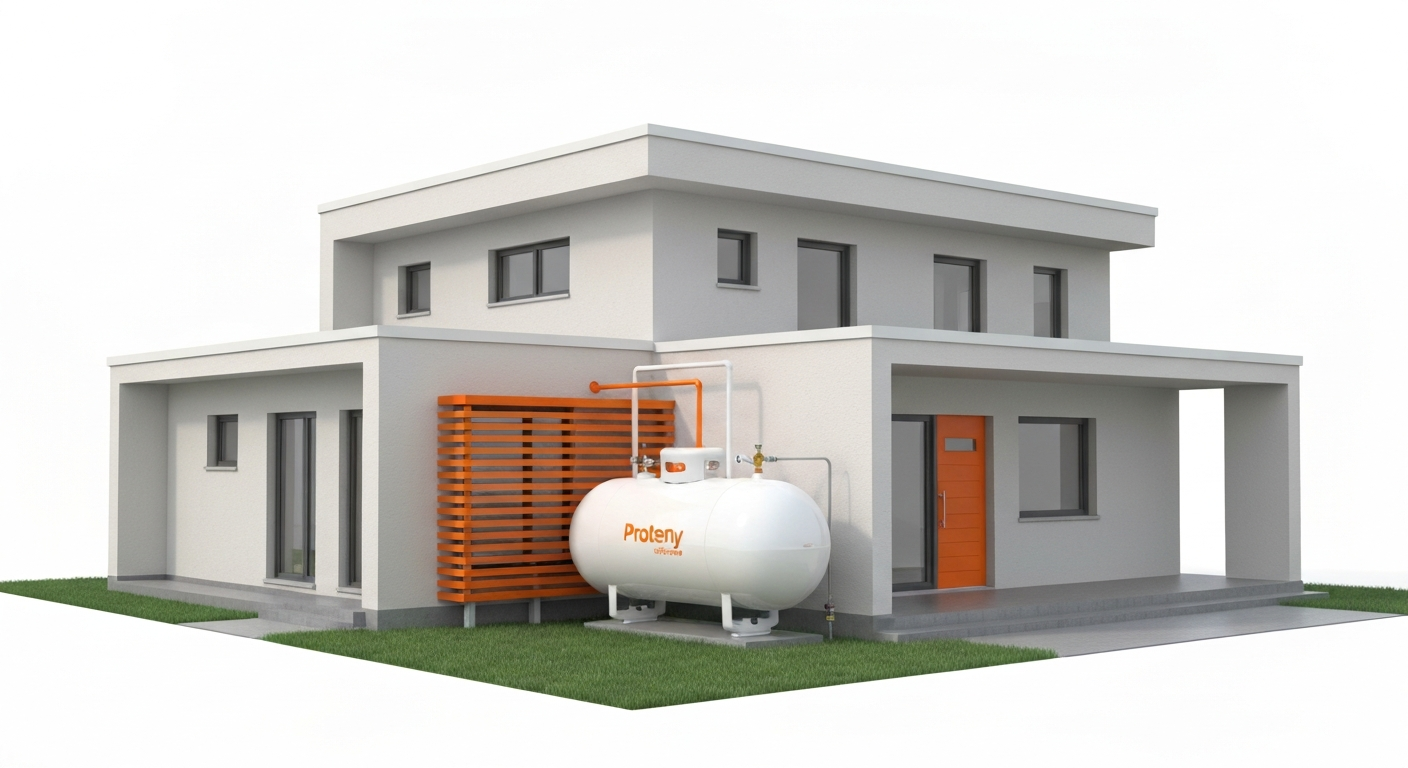
For Puerto Rico residents who have lived on the mainland or are planning future moves, understanding the propane vs natural gas comparison is useful. Here's how they stack up where natural gas is actually available:
| Factor | Natural Gas | Propane |
|---|---|---|
| Fuel supply | Continuous pipeline | Tank delivery required |
| Storage required | None | Yes — tank on property |
| Supply interruption risk | Pipeline damage | Tank sealed on property |
| Cost per BTU | Generally lower | Generally higher |
| Energy content per unit | Lower (per cubic foot) | Higher (per gallon) |
| Generator compatibility | Direct connection | Tank + regulator system |
| Hurricane resilience | Vulnerable to pipeline damage | Tank sealed, unaffected |
| Availability in Puerto Rico | Not available | Available island-wide |
The cost advantage of natural gas on the mainland is real — where the infrastructure exists, natural gas is typically cheaper per BTU than propane. But in Puerto Rico, this comparison is academic. Natural gas is simply not an option.
The Hurricane Factor: Why Propane Wins Even Where Natural Gas Exists
There's an important resilience argument for propane even in areas where natural gas is theoretically available — and it's particularly relevant to Puerto Rico's disaster history.
Natural gas pipelines are vulnerable to earthquake and hurricane damage. When underground infrastructure is compromised, natural gas supply to homes and businesses can be interrupted for days or weeks. After major earthquakes and hurricanes on the mainland U.S., natural gas outages have affected hundreds of thousands of customers.
Propane tanks on your property are self-contained. They're not connected to any infrastructure that can be damaged by storms, earthquakes, or flooding. Your propane supply is physically on your property, sealed in a pressurized container, completely independent of any utility infrastructure.
For Puerto Rico — which experienced the catastrophic grid failure of Hurricane María in 2017 and the earthquake swarm of 2020 — energy self-sufficiency matters more than almost anywhere else in the United States.
Can I Convert My Natural Gas Generator to Propane?
Yes — and this is one of the most common questions Tropigas receives from Puerto Rico residents who purchased a generator marketed for natural gas use.
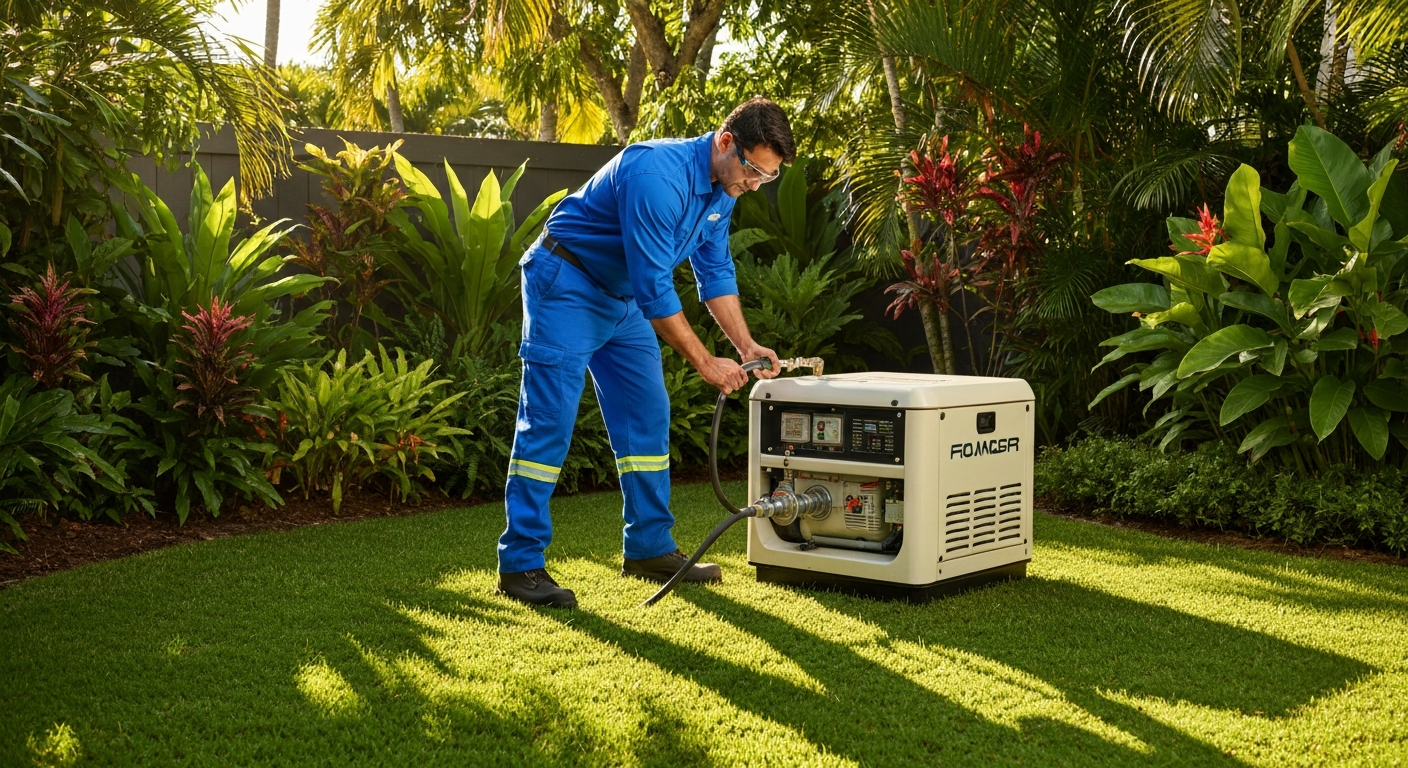
Most generators designed for natural gas can run on propane with a conversion kit that typically includes:
- A propane-specific regulator
- Modified fuel jets sized for propane's different energy density
- A connection fitting compatible with your propane tank system
Some generators come dual-fuel ready from the factory — they include both natural gas and propane configurations and can switch between them with minimal modification.
Tropigas technicians evaluate your specific generator model and determine the best conversion path. In most cases, a natural gas generator can be fully converted to propane operation in a single service visit.
Call 787-641-8002 to schedule a generator conversion evaluation at no cost.
What About Liquefied Natural Gas (LNG)?
Puerto Rico does have limited LNG (liquefied natural gas) infrastructure for large industrial and power generation applications — primarily at the EcoEléctrica plant in Peñuelas, which imports LNG via tanker ship for electricity generation.
However, this industrial LNG supply is not accessible for residential or small commercial generator use. It's a utility-scale fuel supply, not a consumer product. Residential and small commercial customers in Puerto Rico have no access to LNG for generator use.
Propane remains the only practical gas fuel option for residential and commercial generator applications across the island.
✓ The Tropigas Solution: Your Natural Gas Alternative
Tropigas provides everything you need to run a propane generator system that performs exactly like a natural gas generator — without requiring infrastructure that doesn't exist in Puerto Rico:
- Complete fuel system installation: Tank, regulator, gas lines, and generator connection installed to NFPA 58 and NFPA 54 standards.
- All tank sizes available: From 120-gallon tanks for small home generators to 1,000+ gallon bulk systems for large commercial and industrial generators.
- Scheduled delivery: Tropigas delivers before you run low — the closest equivalent to the "continuous supply" advantage of natural gas.
- Island-wide coverage: 23 distribution plants covering all 78 municipalities of Puerto Rico, plus a private Maritime Terminal in Guaynabo.
- Generator conversion service: If your generator was designed for natural gas, our technicians can evaluate and perform the conversion to propane operation.
Frequently Asked Questions
Can I use a natural gas generator in Puerto Rico?
Not without conversion. Since Puerto Rico has no natural gas pipeline infrastructure, a natural gas generator cannot be connected to a fuel supply on the island. However, most natural gas generators can be converted to run on propane. Tropigas technicians can evaluate your generator and perform the conversion.
Is propane more expensive than natural gas?
On the U.S. mainland where natural gas infrastructure exists, natural gas is generally cheaper per BTU than propane. In Puerto Rico, this comparison is not relevant since natural gas is not available for residential or commercial use.
Does a propane generator perform the same as a natural gas generator?
Yes. Because propane and natural gas have similar combustion properties, a properly configured propane generator system performs equivalently to a natural gas generator. The primary operational difference is that propane requires a storage tank and periodic delivery rather than a continuous pipeline connection.
How is propane delivered to Puerto Rico?
Tropigas imports propane via specialized tanker ships that offload at our private Maritime Terminal in Guaynabo — the only privately-owned propane import facility in Puerto Rico. This gives Tropigas direct control over the supply chain and guarantees supply continuity even during major hurricane events.
What tank size do I need for a propane generator?
Tank size depends on your generator's fuel consumption and how many hours of backup power you want. A 10 kW home generator uses approximately 1.5 gallons per hour — a 250-gallon tank provides roughly 166 hours of operation. Tropigas engineers calculate the right size for your specific situation at no cost.

Ready to Install Your Propane Generator System?
For Puerto Rico homeowners and businesses, propane is not just an alternative to natural gas — it's the only practical gas fuel available on the island. And with Tropigas's 60+ years of experience, island-wide coverage, and private Maritime Terminal ensuring supply continuity, it's also the most reliable energy source available when the AEE grid goes down.
Call 787-641-8002 for a free site evaluation. Our certified technicians will assess your property, recommend the right propane system for your generator, and provide a complete cost estimate with no obligation.
Call 787-641-8002Ing. Rodolfo Leo Quiñones
Operations, Sales and Export Manager , Tropigas / Tropigas SXM
Expert in propane energy systems, NFPA compliance, and industrial gas logistics in Puerto Rico and the Caribbean.