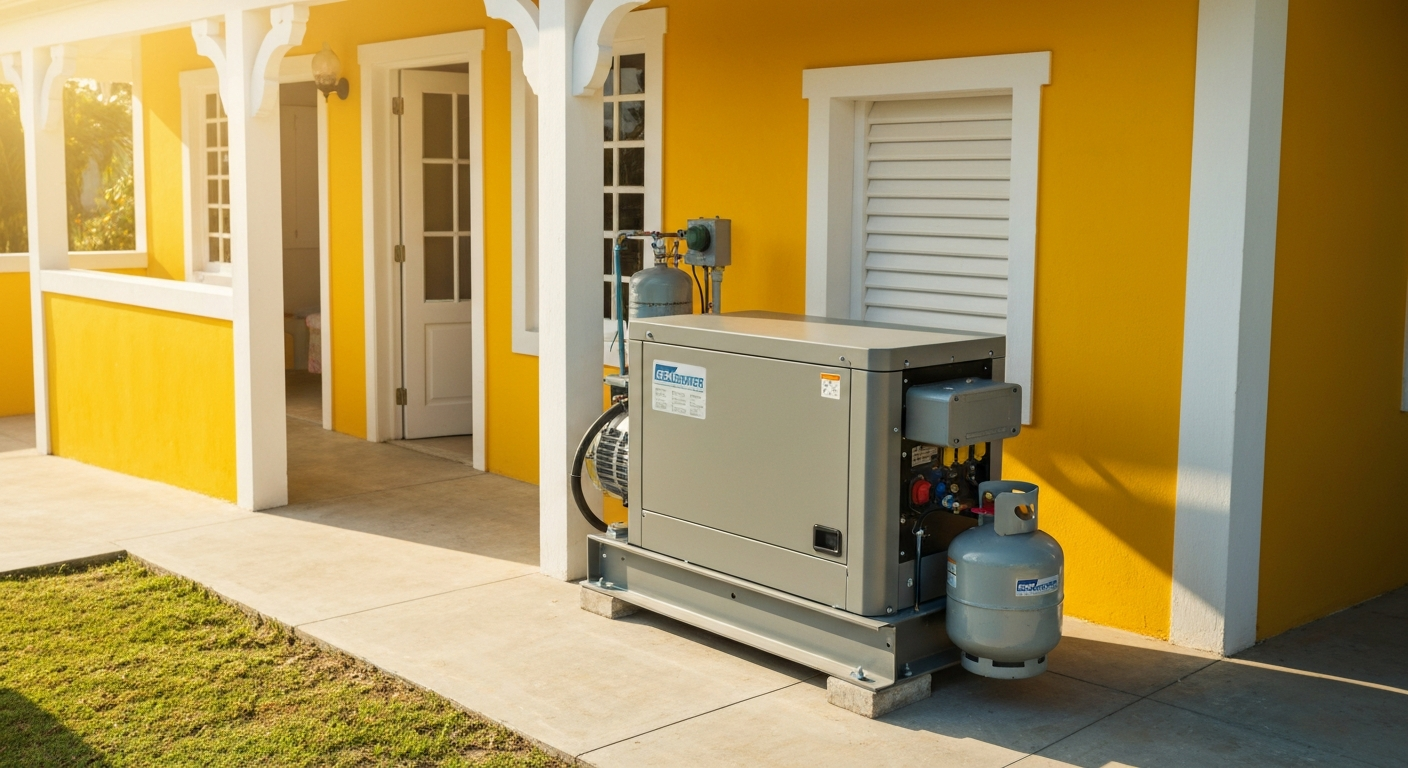
Installing a propane generator without the proper permits in Puerto Rico is illegal and creates serious liability. It can also void your homeowner's insurance and create problems when selling your property. This guide explains exactly which permits you need and how to get them.
Why Permits Matter
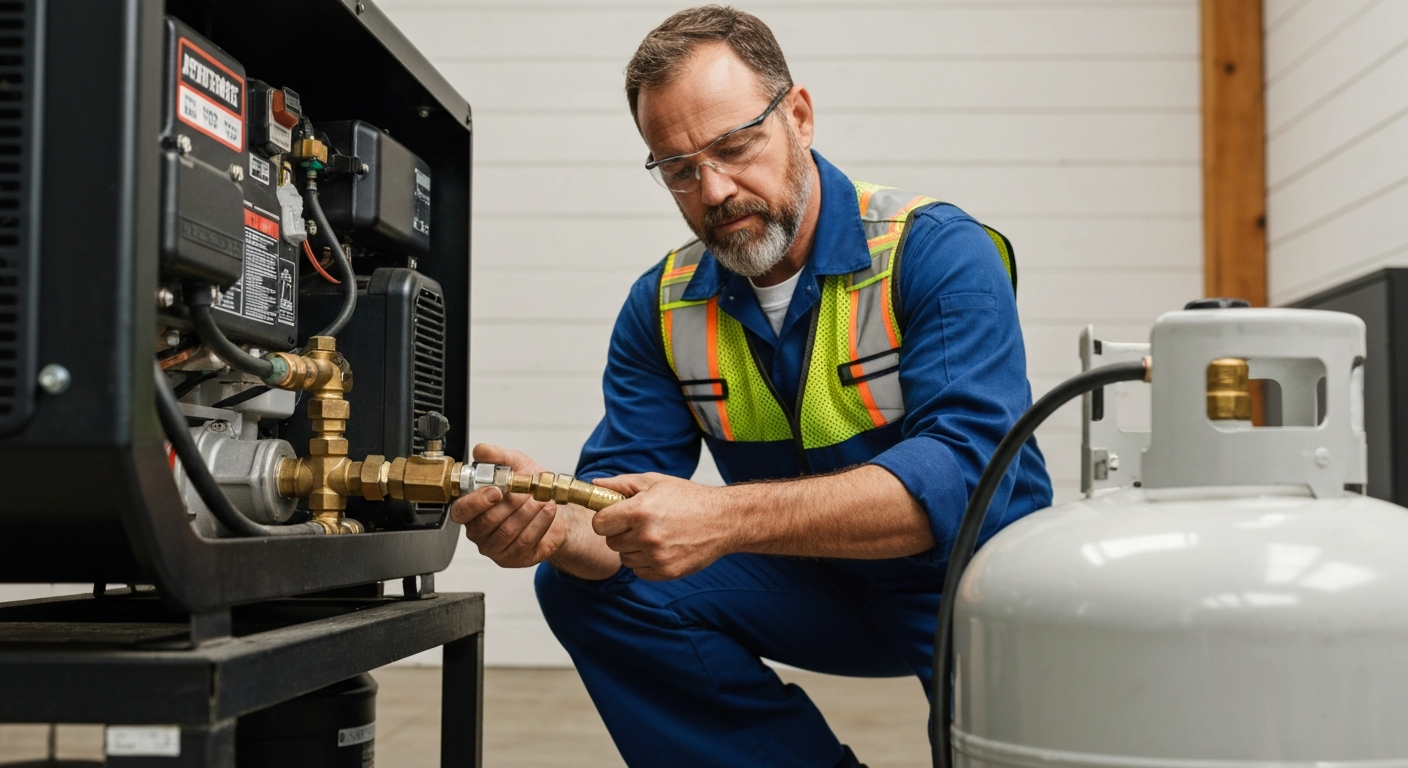
Propane generator installations involve three regulated systems, the propane fuel system, the electrical transfer switch, and the structural pad. Each falls under different regulatory agencies in Puerto Rico, each with its own permit process.
⚠️ Warning: Never hire a contractor who suggests skipping permits. That is a major red flag for unlicensed work and puts your home at risk.
State-Level Permits
1. DACO Permit
The Department of Consumer Affairs (DACO) regulates propane installations to ensure safety compliance.
| Detail | Information |
|---|---|
| Required for | Propane tank installation and gas line work |
| Timeline | 2 to 4 weeks |
| Estimated Cost | $100 to $300 |
| Documents Needed | Site plan, tank specifications, contractor license |
2. ARPE Permit
The Management Permits Office (OGPe/ARPE) handles broader construction and zoning compliance.
| Detail | Information |
|---|---|
| Required for | Properties in regulated zones or above certain project values |
| Timeline | 3 to 8 weeks |
| Estimated Cost | $150 to $400 |
✓ Note: ARPE is not always required. Your Tropigas contractor will advise if your specific project meets the threshold.
Municipal & Utility Requirements
3. Municipal Building Permit
Local municipalities oversee structural changes to your property.
| Detail | Information |
|---|---|
| Required for | Concrete pad construction and structural modifications |
| Timeline | 1 to 3 weeks |
| Estimated Cost | $75 to $200 |
4. AEE Notification
The Puerto Rico Electric Power Authority (AEE) must be aware of any alternate power sources connected to their grid.
| Detail | Information |
|---|---|
| Required for | Automatic transfer switch connected to the grid |
| Timeline | 1 to 2 weeks |
| Estimated Cost | No fee |
Who Pulls the Permits?
Your licensed contractor is responsible for pulling permits in Puerto Rico. Tropigas coordinates all permit requirements as part of our full installation process, ensuring everything is compliant with local laws and NFPA 58 safety standards.
⚡ Expert Tip: When choosing a tank size, remember that the standard fill level in Puerto Rico is 90%, and between 80% to 85% during summer months depending on the municipality.
Timeline: Permit to Power
Understanding the timeline helps you plan ahead, especially before hurricane season.
- Day 1 to 3: Site evaluation and quote
- Day 3 to 7: Permit applications submitted
- Week 2 to 4: DACO and municipal approval
- Week 4 to 5: Installation (takes 1 to 2 days)
- Week 5 to 6: Final inspection
- Week 6 to 7: AEE notification confirmed
Total expected timeline: approximately 6 to 8 weeks.
Frequently Asked Questions
Ing. Rodolfo Leo Quiñones
Operations, Sales and Export Manager , Tropigas / Tropigas SXM
Expert in propane energy systems, NFPA compliance, and industrial gas logistics in Puerto Rico and the Caribbean.