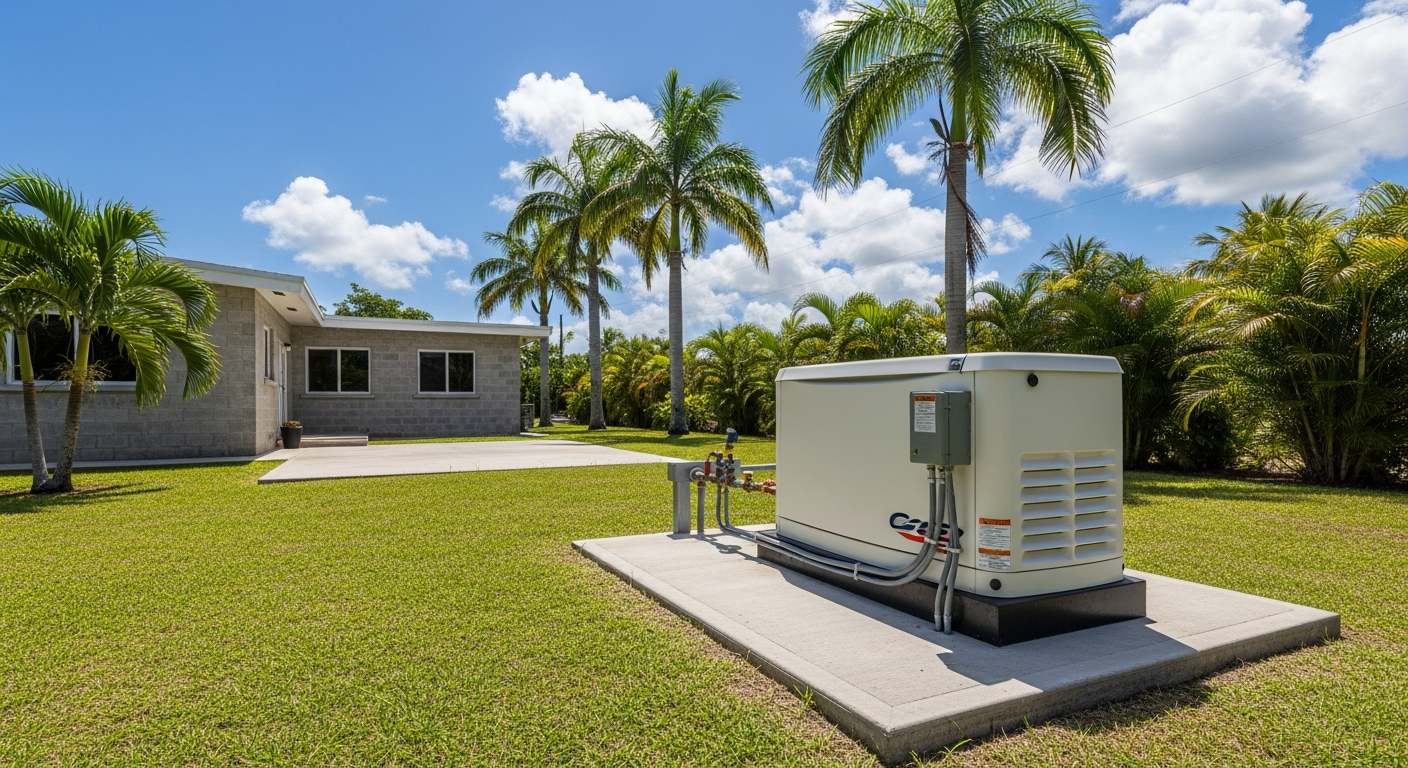
How do you operate a propane generator safely in Puerto Rico, and what are the most critical safety rules? Propane generators are widely used in Puerto Rico for backup power during frequent outages and hurricane season. They are reliable, efficient, and cleaner than gasoline generators, but they require strict safety practices to prevent carbon monoxide poisoning, fire, and other hazards. This guide explains propane generator safety for Puerto Rico homes and businesses.
For propane generator service in Puerto Rico, call Tropigas at 787-641-8002.
The Most Critical Generator Safety Rule
The single most important propane generator safety rule is this: never operate a propane generator indoors, in a garage, in a carport, or in any partially enclosed space. This rule has no exceptions. Generator exhaust contains carbon monoxide at concentrations that can reach dangerous or fatal levels within minutes in an enclosed or semi-enclosed space. Carbon monoxide is colorless and odorless, giving no sensory warning before incapacitation occurs.
Always operate propane generators outdoors in open air, at least 20 feet from any door, window, or vent opening. This rule applies during and after hurricanes, regardless of weather conditions. Call 787-641-8002 for generator safety guidance.
Correct Generator Placement
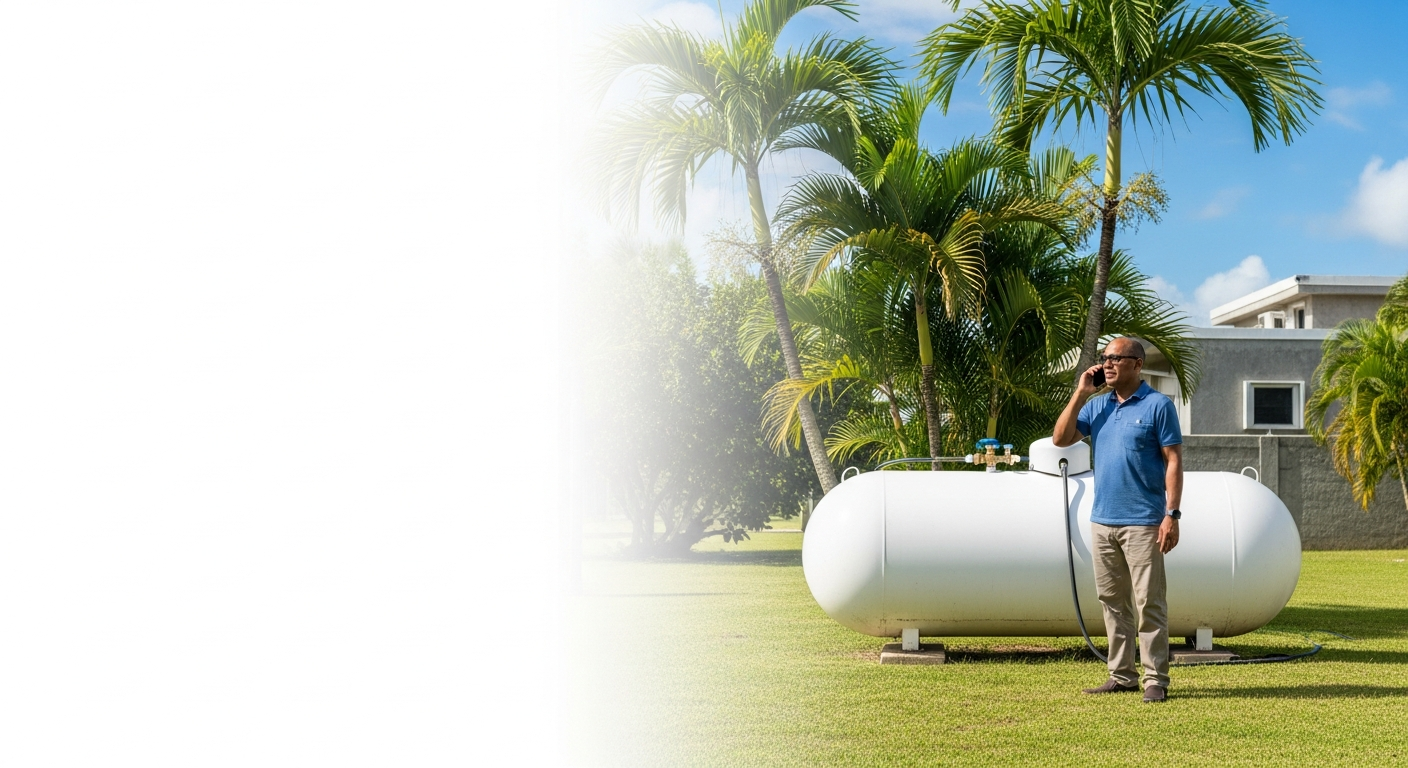
Proper placement of your propane generator eliminates most of the CO risk associated with generator operation. The generator must be placed outdoors on a stable, level surface, at least 20 feet from any door, window, or vent that could allow exhaust to enter the building. Point the generator exhaust away from the building and from any neighboring structures. If you have a standby generator, it must be installed on a concrete pad by a certified technician at the appropriate distance from the building and any fuel sources.
Call 787-641-8002 for standby generator installation and placement assessment.
Carbon Monoxide Detectors and Generators
Every Puerto Rico home with a propane generator should have at least one carbon monoxide detector installed. CO detectors must be placed at outlet height or higher since CO mixes relatively evenly with air at various heights, and in every sleeping area of the home. If your CO detector sounds an alarm, leave the building immediately, call 911, then call Tropigas at 787-641-8002. Never ignore a CO detector alarm.
Install CO detectors on every level of your home and test them monthly. Call 787-641-8002 for safety equipment guidance.
Propane Generator Fuel Safety
Propane generators connect to your propane supply through a dedicated gas line from your propane tank. Unlike gasoline generators, propane generators do not require storing flammable liquid on-site, which eliminates fuel storage fire risks. However, the propane connection must be properly installed by a certified technician, include a dedicated shutoff valve, and be inspected annually. Never attempt to modify or extend the propane connection to a generator yourself.
The generator fuel line must be protected from physical damage and kept clear of heat sources. Call 787-641-8002 for generator fuel line installation and inspection.
Generator Safety During Hurricane Season
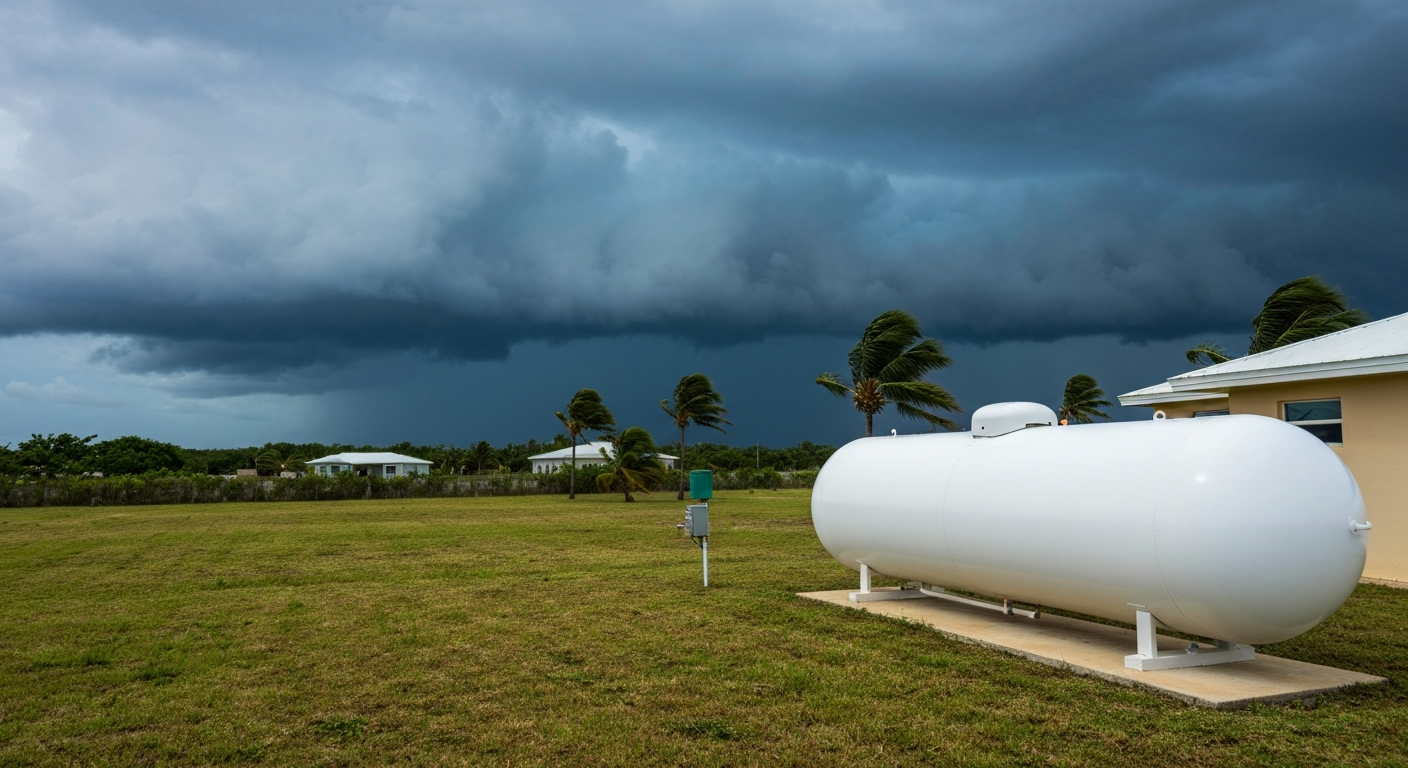
Hurricane season in Puerto Rico (June through November) is when generator safety matters most, and also when the risk of unsafe operation is highest. During and after a storm, the temptation to run a generator in a covered area for protection from rain is extremely dangerous. Never move a running generator into a garage, carport, or any enclosed area regardless of weather. If rain is a concern, use a properly rated generator cover designed for use during operation, never a structure that encloses the exhaust.
After a hurricane, inspect your generator and propane connection before restarting. Call 787-641-8002 for post-storm generator assessment.
Standby vs Portable Propane Generators
Puerto Rico homeowners and businesses can choose between portable propane generators and permanently installed standby generators. Portable generators provide flexibility but require manual setup and correct placement every use. Standby generators are permanently installed, start automatically during outages, and are connected to your propane supply through a certified installation. Standby generators eliminate the risk of improper placement during a storm emergency because they are already in their permanently compliant location.
Call 787-641-8002 for propane standby generator installation guidance.
Frequently Asked Questions
Ing. Rodolfo Leo Quiñones
Operations, Sales and Export Manager , Tropigas / Tropigas SXM
Expert in propane energy systems, NFPA compliance, and industrial gas logistics in Puerto Rico and the Caribbean.