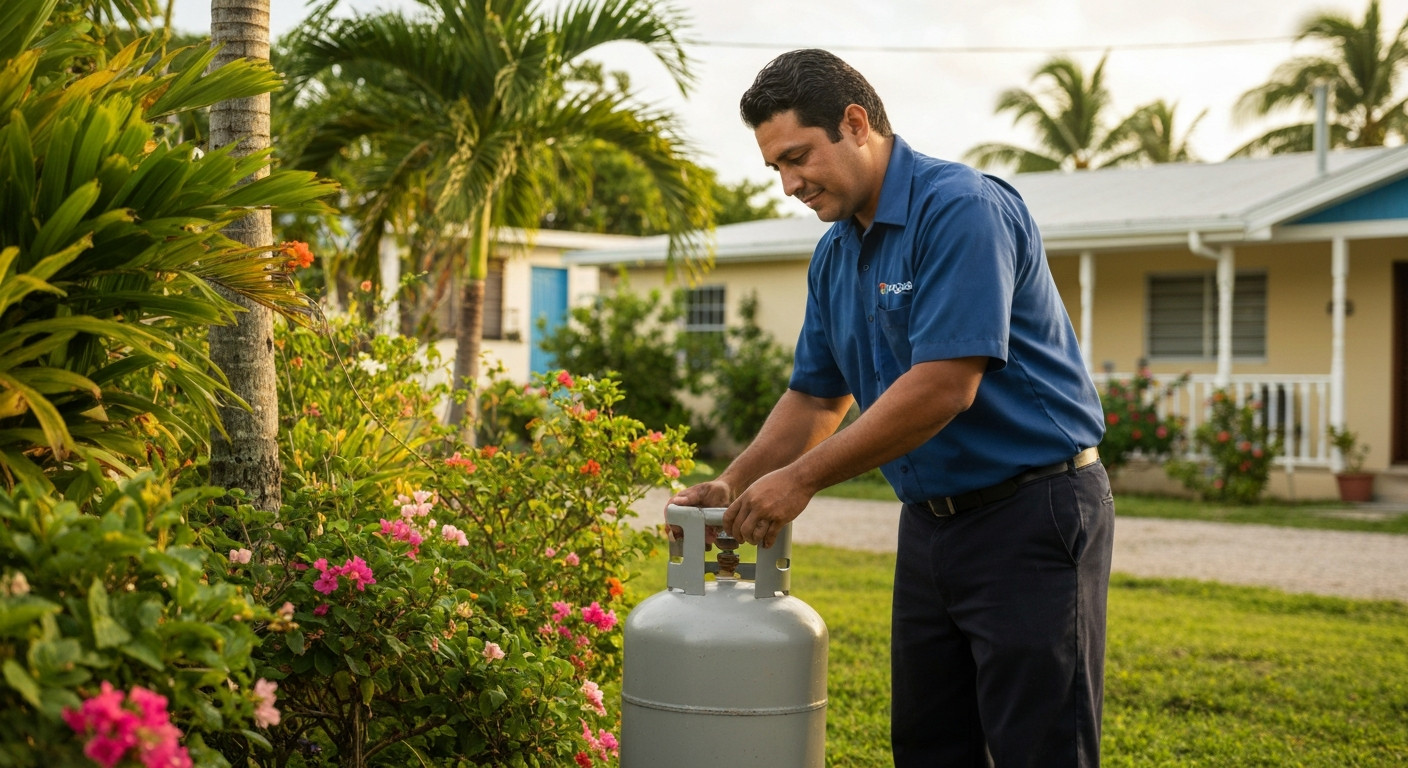
How do you safely handle a propane cylinder in Puerto Rico, and what should you check before using one? Propane cylinders are used in hundreds of thousands of Puerto Rico homes for cooking, grilling, and small appliances. When handled correctly, they are safe and reliable. When mishandled, they can create serious fire and explosion risks. This guide covers everything you need to know about safe propane cylinder handling, inspection, and maintenance in Puerto Rico.
For cylinder refills, delivery, or safety questions, call Tropigas at 787-641-8002.
How to Safely Handle a Propane Cylinder in Puerto Rico
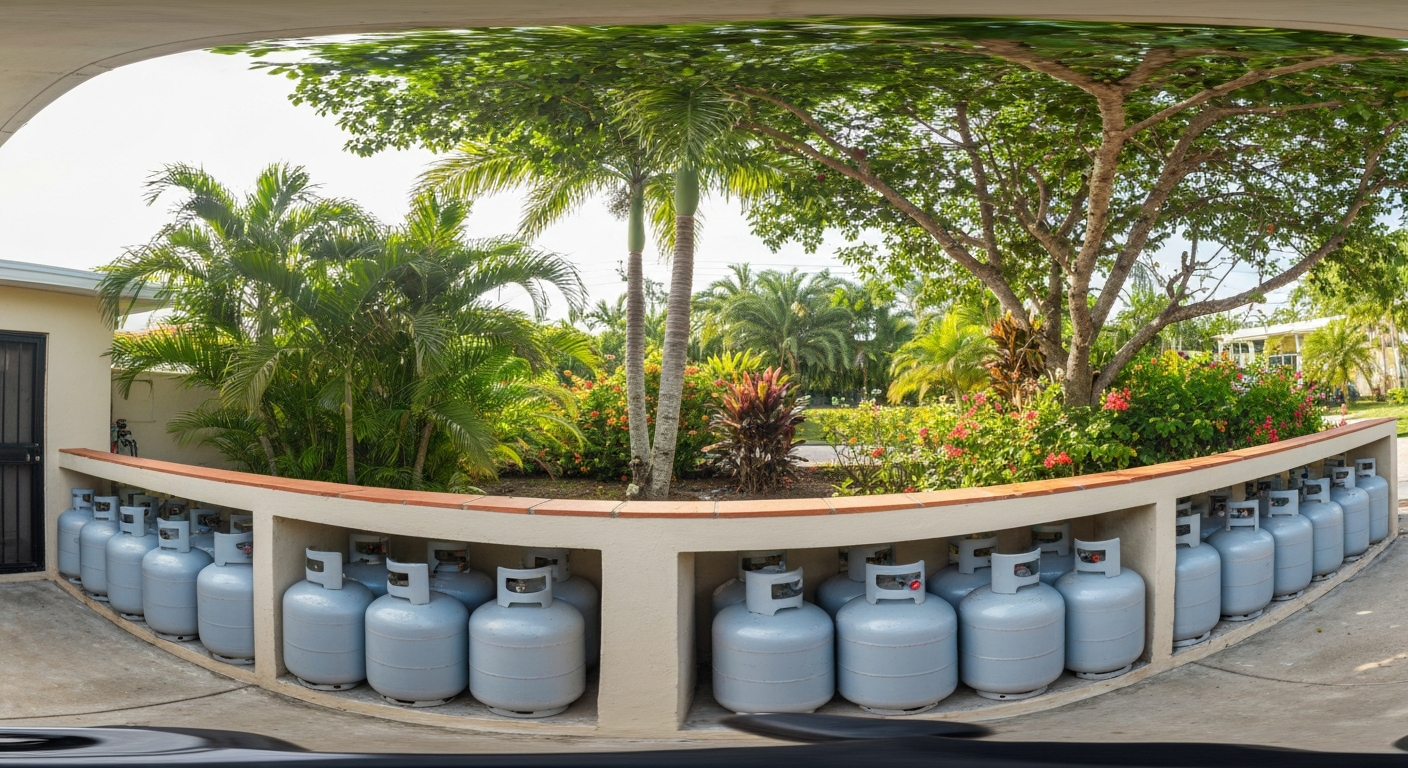
Safe propane cylinder handling starts before you even pick up the cylinder. Key handling rules include: always keep the cylinder upright, never lay it on its side during use or storage, always close the valve completely when not in use, never drop or roll cylinders, never use a cylinder as a step or support, and never expose cylinders to heat sources including open flames, direct sun for extended periods, or enclosed hot vehicles.
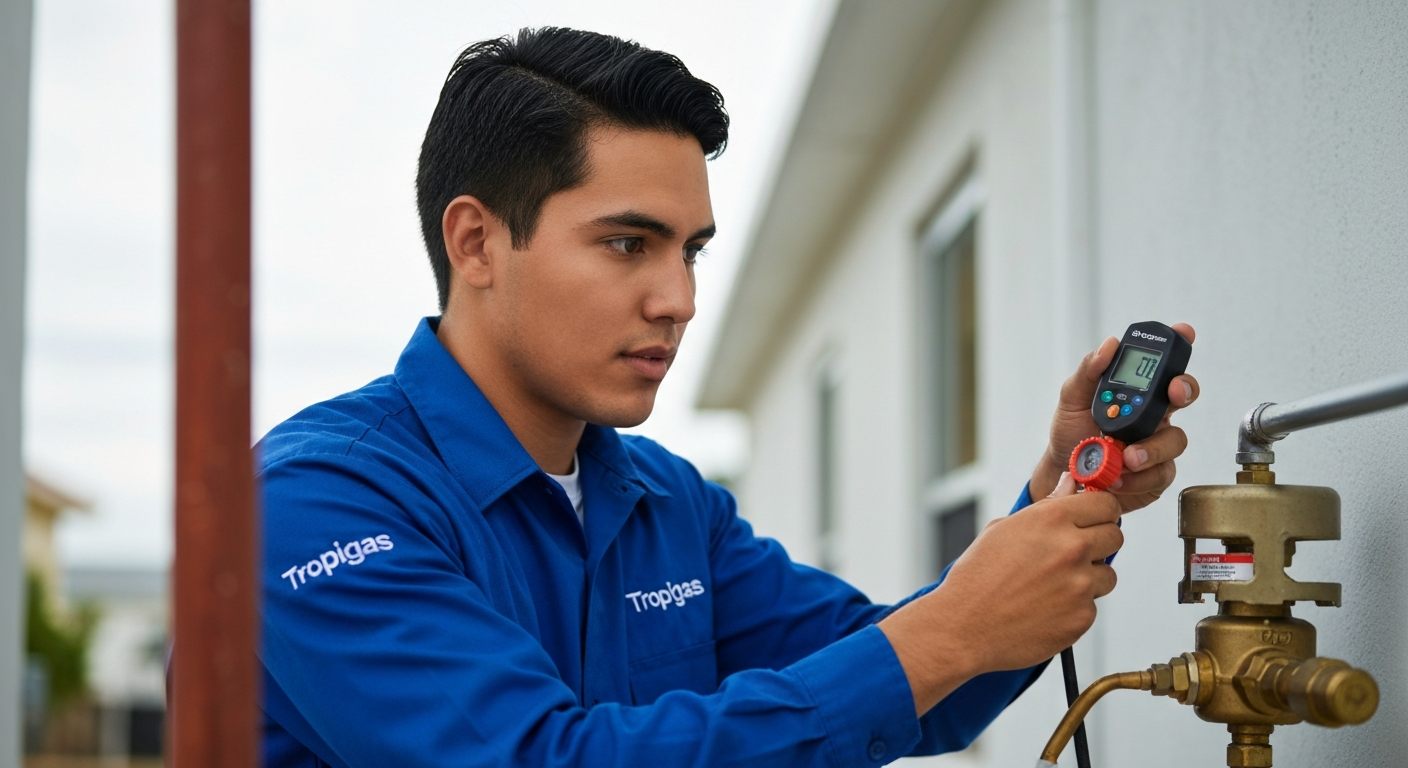
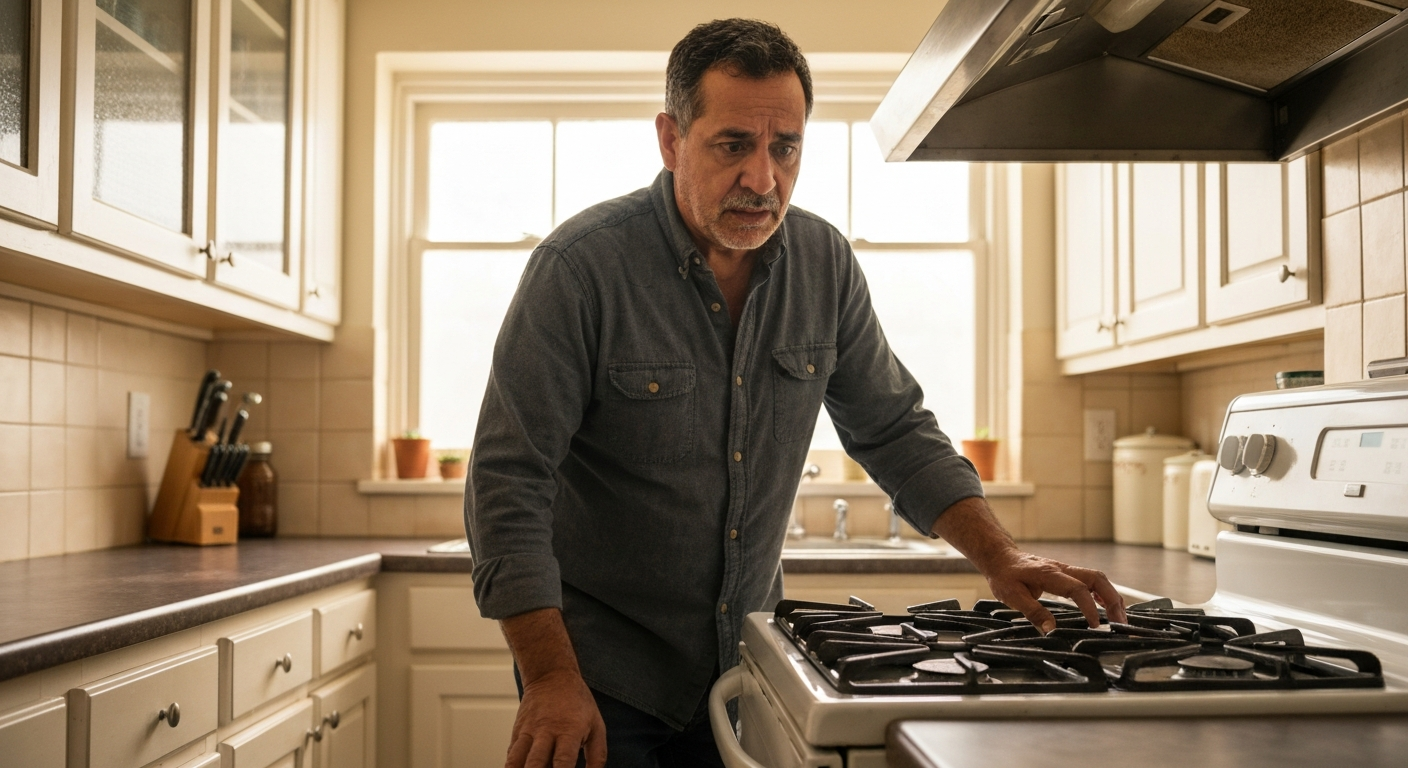
When connecting a cylinder to an appliance, make sure the connection is hand-tight and then check for leaks using soapy water before lighting any burner.
What to Check Before Using a Propane Cylinder
Before connecting and using a propane cylinder, perform these checks:
- Check the expiration date on the collar. Cylinders must be recertified 12 years from manufacture and every 5 years after that. An expired cylinder cannot legally be refilled in Puerto Rico.
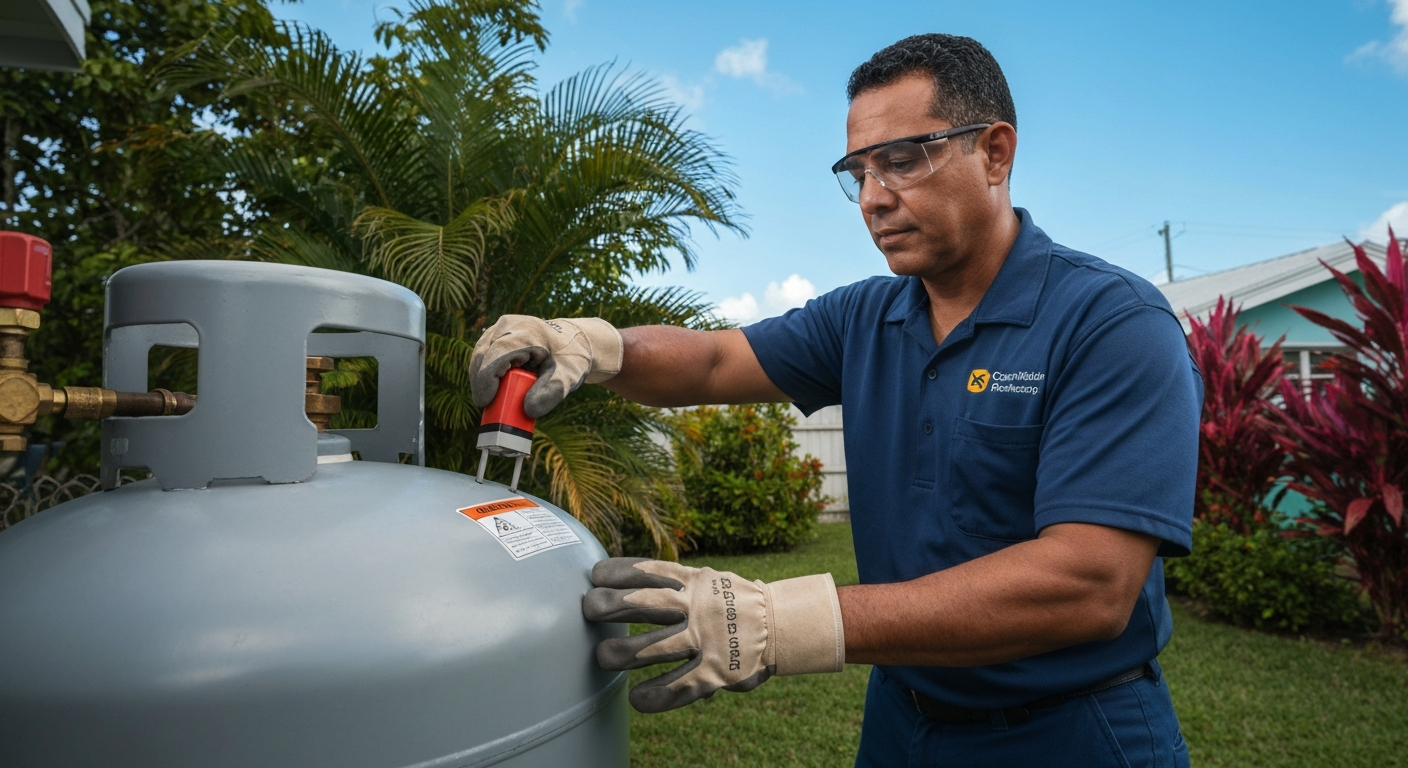
- Inspect the exterior for dents, gouges, rust, or corrosion. A damaged cylinder should not be used and should be brought to a Tropigas plant for inspection.
- Check the valve for damage, corrosion, or debris. The valve should open and close smoothly.
- Check the OPD valve. Cylinders of 4 pounds or more that are used with portable appliances must have an Overfill Protection Device valve. These have a triangular handwheel.
Connecting and Disconnecting Propane Cylinders Safely
When connecting a cylinder: make sure the appliance valve is off before connecting, connect the regulator to the cylinder valve hand-tight, open the cylinder valve slowly, check for leaks with soapy water before lighting.
When disconnecting: turn off the appliance first, then close the cylinder valve completely before disconnecting the regulator. Never disconnect a cylinder while the appliance is running.
Transporting Propane Cylinders Safely in Puerto Rico
When transporting propane cylinders in a vehicle in Puerto Rico: always transport cylinders in an upright position secured against tipping, never transport in an enclosed vehicle trunk, keep windows open for ventilation, never leave cylinders in a parked vehicle in the sun, and transport only the cylinders you need for immediate use.
What to Do With a Damaged or Expired Propane Cylinder
Never use or attempt to refill a damaged or expired propane cylinder. Bring it to any of Tropigas's 23 plants across Puerto Rico for inspection. If the cylinder is repairable and certifiable, our technicians will advise on recertification. If it is condemned, we will advise on proper disposal.
Do not put damaged propane cylinders in regular trash. Propane cylinders require proper disposal. Call 787-641-8002 for guidance.
Need help with propane cylinder safety, inspection, or refill in Puerto Rico?
Call 787-641-8002Frequently Asked Questions
Ing. Rodolfo Leo Quiñones
Operations, Sales and Export Manager , Tropigas / Tropigas SXM
Expert in propane energy systems, NFPA compliance, and industrial gas logistics in Puerto Rico and the Caribbean.