Propane Safety & Certifications in Puerto Rico
Propane safety inspections, leak tests, and NFPA certifications. Protect your home or business.
Propane is one of the safest energy sources available, but only when the system delivering it is properly installed, tested, and maintained. A propane system that has never been certified is not just a code violation, it's an unknown risk that could affect your family, your property, and the people around you.
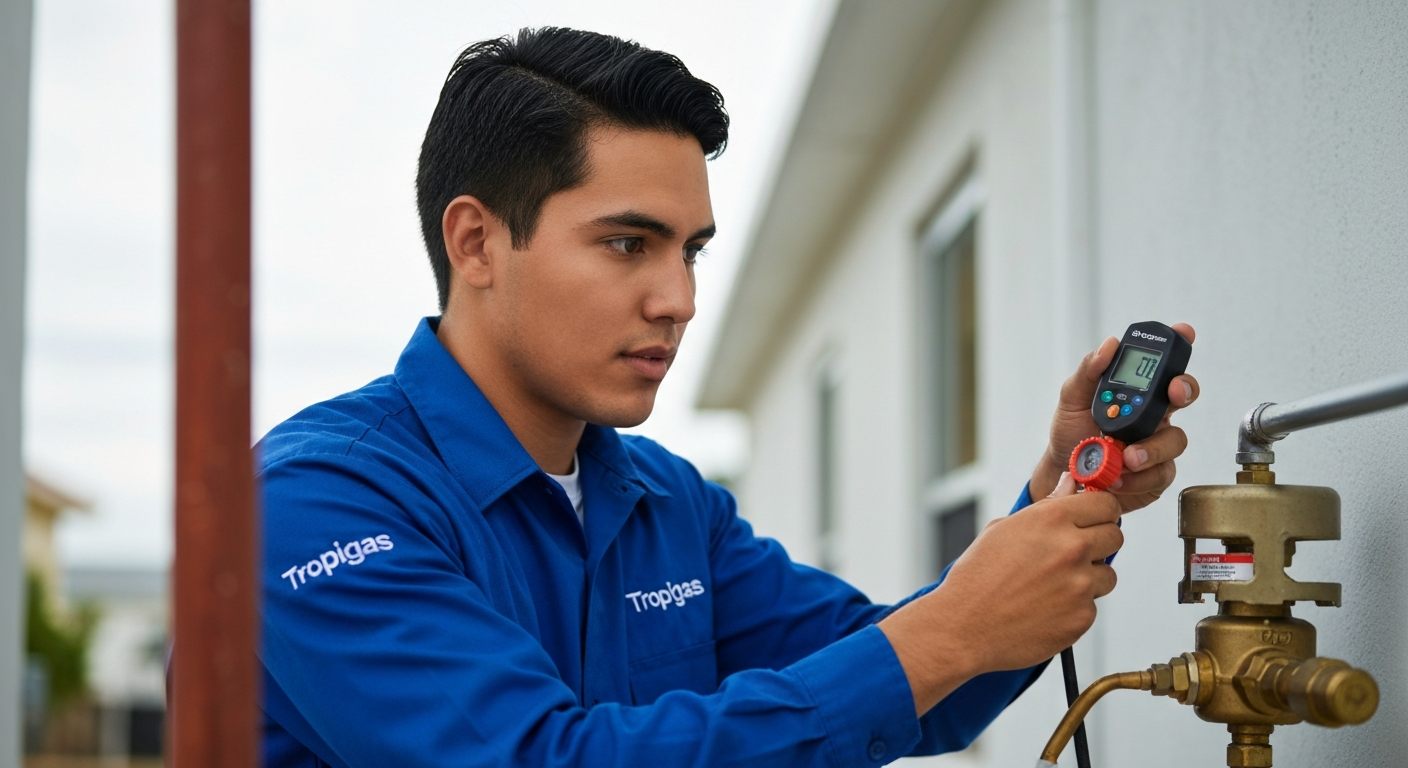
Tropigas de Puerto Rico has been certifying propane systems across the island for over 60 years. Our certified technicians perform safety inspections, leak tests, and official certifications for residential, commercial, and industrial propane systems throughout all 78 municipalities. Every Tropigas installation is code-compliant from day one, and every certification we issue is backed by 60 years of propane safety expertise.
NFPA 58 Safety Standards - What They Require
| Tank Capacity | From Building Openings | From Property Lines | From Ignition Sources |
|---|---|---|---|
| Up to 125 gallons | 10 feet | 10 feet | 10 feet |
| 126 to 500 gallons | 10 feet | 10 feet | 10 feet |
| 501 to 2,000 gallons | 25 feet | 25 feet | 25 feet |
| Over 2,000 gallons | 50 feet | 50 feet | 50 feet |
Why Propane Safety Certification Matters in Puerto Rico
NFPA 58 and NFPA 54 compliance:
All propane systems in Puerto Rico must comply with NFPA 58 (Liquefied Petroleum Gas Code) and NFPA 54 (National Fuel Gas Code). These codes establish minimum safety requirements for tank placement, gas line design and installation, valve and regulator specifications, and system testing. Non-compliant installations create legal liability and safety risk.
Puerto Rico's tropical environment accelerates system aging:
Salt air, high humidity, intense UV exposure, and earthquake risk create maintenance challenges that don't exist in most mainland markets. A propane system that was perfectly safe at installation can develop corrosion, regulator wear, or connection degradation over time. Annual inspection catches these issues before they become emergencies.
Fire department and permit requirements:
Most Puerto Rico municipalities require propane system certification for building permits, occupancy certificates, and periodic fire department inspections. Real estate transactions increasingly require propane system certification documentation. Tropigas issues official certification documentation accepted by Puerto Rico authorities.
Peace of mind:
The most important reason for propane safety certification is the simplest: knowing your system is safe. A certified system means a Tropigas professional has inspected every component, tested the system under pressure, and confirmed that your family or business is protected.
The Prueba de Hermeticidad - Puerto Rico's Required Leak Test
The prueba de hermeticidad (pressurized leak test) is the cornerstone of propane system certification in Puerto Rico. It's required by NFPA 58 before any new system is placed in service, and it's the test most frequently requested for fire department inspections, building permits, and real estate transactions.
What a prueba de hermeticidad involves:
The propane system is isolated from the tank and pressurized with an inert gas (typically nitrogen or air) to a test pressure specified by NFPA 58. The system is then monitored over a specified time period. If pressure holds steady, the system passes. If pressure drops, there is a leak that must be located and repaired before the system can be certified.
When you need a prueba de hermeticidad:
New installation before first use. After any modification, repair, or extension of existing gas piping. For fire department inspection compliance. For building permit issuance or renewal. For real estate transactions involving properties with propane systems. After extended system inactivity of 12 months or more.
What Tropigas provides:
Certified technician performance of the complete leak test. Official documentation of test results including date, technician certification number, test pressure, duration, and pass/fail result. Documentation accepted by Puerto Rico fire departments, ARPE, and real estate attorneys.
What a Complete Tropigas Safety Inspection Includes
Beyond the basic leak test, Tropigas comprehensive safety inspections cover every component of your propane system:
Tank exterior inspection:
Visual examination of the tank surface for rust, corrosion, dents, paint damage, and signs of physical impact. Tank collar and dome inspection. Pressure relief valve inspection for proper orientation, clearance, and condition. Tank anchoring and support inspection for hurricane wind resistance.
Regulator inspection and testing:
Regulator pressure output verification. Signs of corrosion, physical damage, or diaphragm wear. Lock-up pressure test to verify regulator shuts off properly when no gas is flowing. Regulator age assessment (replacement recommended after 10 to 15 years).
Valve inspection:
Service valve operation test. Emergency shutoff valve function verification. Excess flow valve inspection where installed. Valve corrosion and seal condition assessment.
Gas line inspection:
Visual inspection of all accessible gas piping for corrosion, physical damage, and improper support. Connection integrity at all appliance connections, fittings, and unions. Flexible connector condition inspection at appliances. Piping identification marking compliance verification.
Full system pressure test:
Complete pressurized leak test of all gas piping under NFPA 58 specifications.
Documentation:
Complete written inspection report documenting all findings. Pass/fail determination for each component. Deficiency identification with recommended corrective actions. Official certification issued upon successful completion.
When to Call Tropigas for Safety Service
Call immediately if:
You smell gas (rotten egg odor) anywhere in or around your home or business. Your carbon monoxide detector alarms. You hear an unusual hissing sound near your propane tank or gas lines. Your appliances produce abnormal flame color (should be blue with a small yellow tip, not all yellow or orange). Your pilot light keeps going out unexpectedly.
Schedule a service call if:
It has been more than 12 months since your last professional inspection. You are selling or purchasing a property with a propane system. You need propane system certification for a building permit or fire department inspection. Your tank or regulator is more than 15 years old. You are adding new appliances or extending your gas piping system. You have experienced a significant weather event, earthquake, or physical impact near your system.
Emergency procedure if you smell gas:
Do not operate any electrical switches. Extinguish all open flames. Close the tank valve if safe to do so. Evacuate immediately. Call 911 and then Tropigas at 787-641-8002 from outside. Do not re-enter until a certified technician has cleared the space.
Certifications for Real Estate Transactions
Real estate transactions in Puerto Rico involving properties with propane systems increasingly require official propane system certification. Buyers want assurance that the system they're inheriting is safe and code-compliant. Sellers benefit from having certification documentation ready to present.
What Tropigas provides for real estate transactions:
Complete system inspection by certified technician. Prueba de hermeticidad with official documentation. Written inspection report identifying system components, condition, and any deficiencies. Official certification letter signed by certified technician. Remediation services if deficiencies are found before certification can be issued.
Timeline:
Schedule your real estate certification inspection at least 2 weeks before your closing date to allow time for any identified remediation.
Annual Pre-Hurricane Season Inspection - The Most Important Appointment of the Year
Tropigas strongly recommends scheduling your annual propane system inspection each May, before hurricane season begins on June 1. Here's why this timing is critical:
Why it's critical:
Any system deficiencies found in May can be remediated before the season, ensuring your system is fully operational when you need it most. Your tank can be filled to maximum capacity (80% per NFPA 58) immediately after inspection. You enter hurricane season with a certified, inspected, fully fueled system.
What your May inspection covers:
Complete tank exterior inspection for corrosion and damage accumulated during the previous year's salt air, humidity, and UV exposure. Regulator and valve testing and adjustment. Gas line inspection for leaks and physical damage. Generator connection inspection if applicable. Full system pressure test. Updated documentation.
Safety Frequently Asked Questions
Related Guides & Resources
¿Listo para instalar tu sistema de propano?
Evaluación gratuita · Sin compromiso · Técnicos certificados NFPA