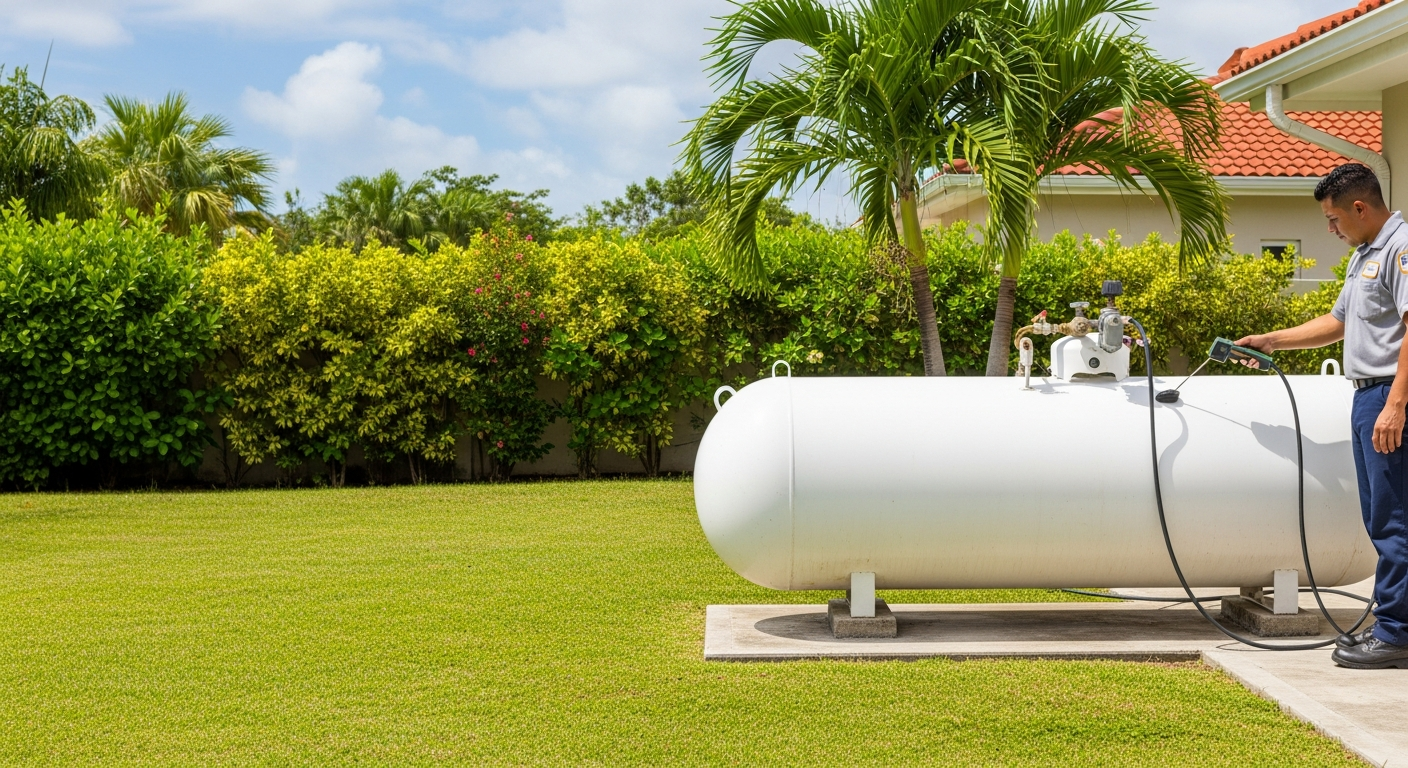
How do you detect a propane gas leak in Puerto Rico, and what should you do if you suspect one? Propane gas leaks are serious safety events that require immediate and correct action. Knowing the signs of a propane leak, how to use a gas detector, and the exact steps to take when a leak is suspected can prevent a dangerous situation from becoming a tragedy. This guide explains propane gas leak detection for homes and businesses in Puerto Rico.
If you suspect a propane gas leak right now, leave the area immediately and call 911. Then call Tropigas at 787-641-8002.
What Does a Propane Gas Leak Smell Like
Propane itself is odorless, but propane suppliers are required by federal law to add a chemical called ethyl mercaptan that gives propane a distinctive smell similar to rotten eggs or a skunk. This smell is added specifically so people can detect leaks. The smell is detectable at very low concentrations, which is intentional. If you smell anything resembling rotten eggs or sulfur near your propane tank, appliances, or gas lines, treat it as a potential leak and act immediately.
Never ignore the smell of propane. Call 911 and then 787-641-8002.
Physical Signs of a Propane Leak
Beyond the smell, several physical signs can indicate a propane leak at your property. Hissing or whistling sounds near the tank, gas lines, or appliances suggest gas is escaping under pressure. Dead or discolored vegetation in patches near underground gas lines or the tank can indicate a slow leak. Frost or ice forming on the tank body or service valve in warm weather can indicate a rapid pressure drop from a leak. Bubbles forming in standing water near the tank or gas line indicate gas escaping into the ground.
Any of these signs should be treated as a potential emergency. Call 911 immediately, then call Tropigas at 787-641-8002.
How Propane Gas Detectors Work
A propane gas detector is an electronic device that continuously monitors the air for propane concentrations. When the detector senses propane above a threshold level, it triggers an audible alarm, alerting occupants before propane reaches a dangerous concentration. Propane is heavier than air and sinks to the floor, so propane gas detectors should be installed near floor level, unlike carbon monoxide detectors which are installed higher.
Tropigas recommends installing propane gas detectors in kitchens, utility rooms, and any room with propane appliances. Call 787-641-8002 for guidance.
Where to Install Propane Gas Detectors
Installing propane gas detectors in the right locations is critical to their effectiveness. Install detectors within 12 inches of the floor because propane sinks and accumulates near floor level, in kitchens near the range or oven, in utility rooms near water heaters or dryers, in any room with a propane fireplace or space heater, near the entry point where gas lines enter the building from the tank, and in sleeping areas if propane appliances are present.
Follow the manufacturer instructions for specific installation requirements. Call 787-641-8002 for installation guidance.
What to Do If You Detect a Propane Leak
If you smell propane or your detector sounds an alarm, follow these steps in this exact order. First, do not operate any electrical switches, light switches, or appliances. Do not use your cell phone inside the building. Do not light matches or lighters. Second, get everyone out of the building immediately, including pets. Leave doors open as you exit but do not waste time. Third, once safely outside and away from the building, call 911. Fourth, call Tropigas at 787-641-8002. Fifth, if needed, call CHEMTREC at 1-800-424-9300 (CCN692055). Do not re-enter the building until emergency responders have cleared it.
Never assume the smell will go away on its own. Call 911 immediately.
Propane Leak Prevention
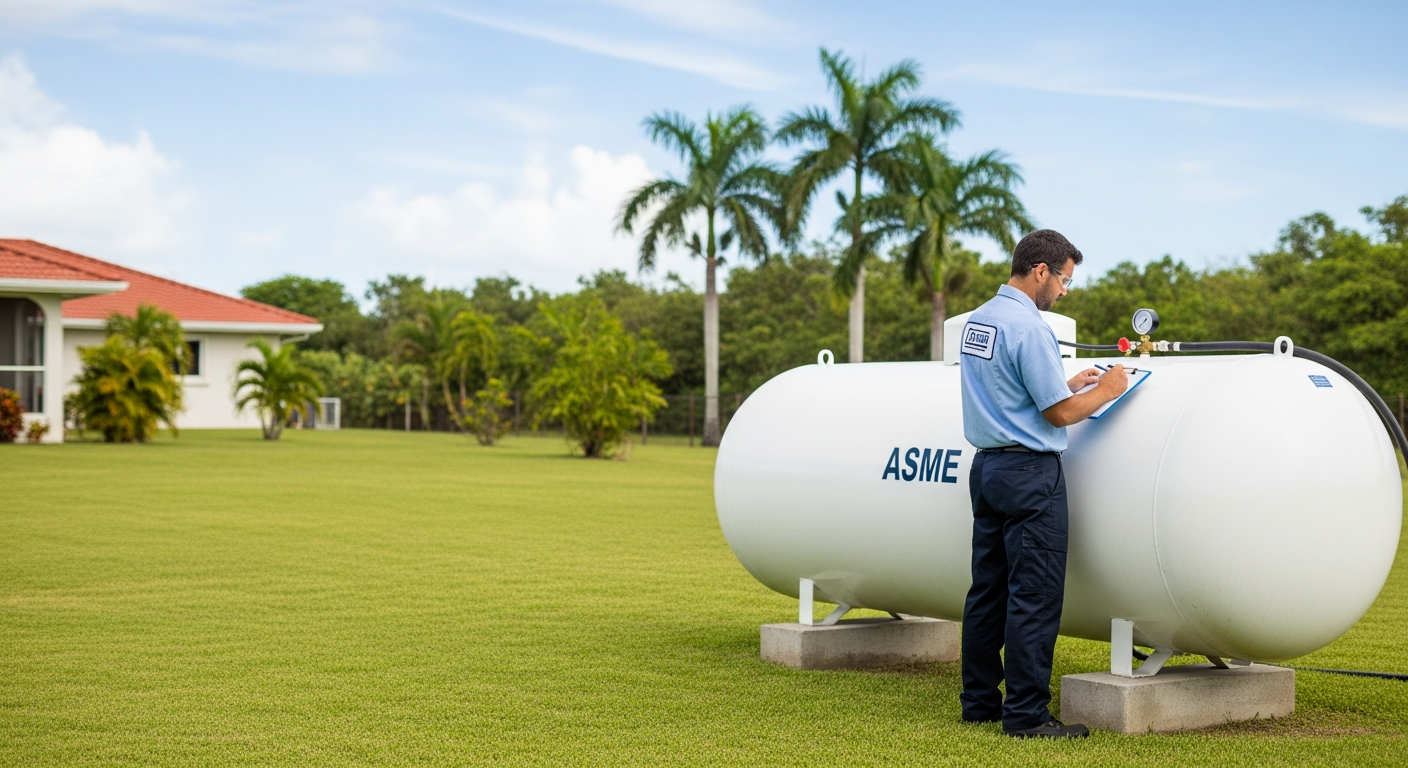
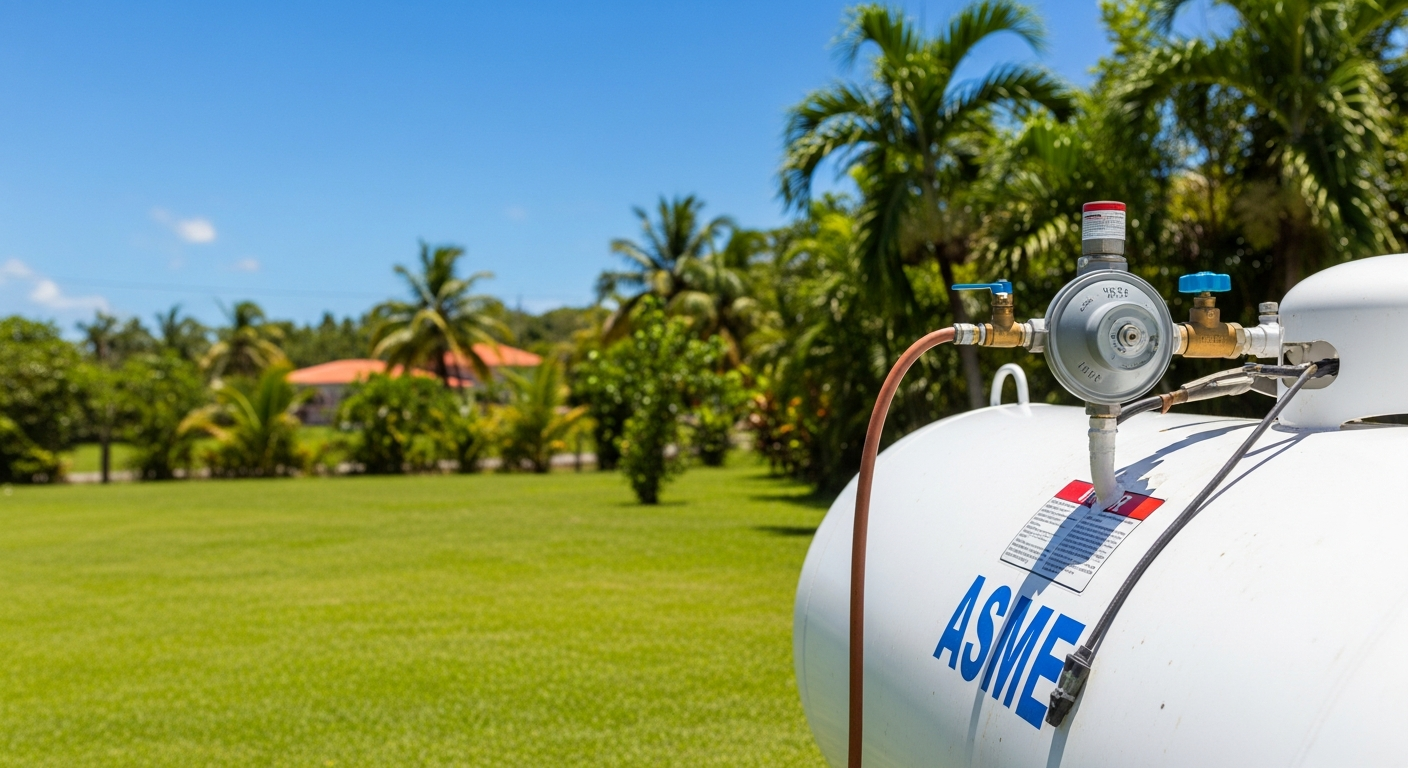
Most propane leaks are preventable with proper maintenance and installation. Schedule annual professional inspection of your tank, valves, regulator, and gas lines with Tropigas. Check gas line connections periodically for signs of wear or corrosion. Make sure your tank installation complies with NFPA 58 clearances. Replace aging regulators and valves before they fail. Test propane gas detectors monthly by pressing the test button. Have appliance connections inspected whenever a new appliance is installed or an old one is removed.
Call 787-641-8002 to schedule a preventive inspection.
Frequently Asked Questions
Ing. Rodolfo Leo Quiñones
Gerente de Operaciones, Ventas y Exportaciones
Expert in propane energy systems, NFPA compliance, and industrial gas logistics in Puerto Rico and the Caribbean.