Puerto Rico's Act 17 of 2019, formally the Puerto Rico Energy Public Policy Act, established the most ambitious renewable energy targets in the island's history. Understanding what these goals mean, how far Puerto Rico is from achieving them, and what the transition means for homeowners helps you make better energy independence decisions today.
What Act 17-2019 Requires
Act 17-2019 established mandatory renewable energy portfolio standards (RPS) for Puerto Rico's electrical system: 40% renewable electricity generation by 2025. 60% renewable electricity generation by 2040. 100% renewable electricity generation by 2050. The law also established goals for energy efficiency, distributed generation, and grid modernization.
Where Puerto Rico Actually Stands
Progress toward the Act 17-2019 targets has been slower than required. As of the mid-2020s, Puerto Rico's electrical grid generates approximately 3% to 5% of electricity from renewable sources, compared to the 40% target that was required by 2025.
The gap between the 2025 target and actual renewable generation reflects multiple challenges: The post-Maria reconstruction focused primarily on restoring the existing grid rather than building new renewable generation. Financial constraints have limited the pace of renewable energy procurement. Permitting, land availability, and grid interconnection challenges have slowed utility-scale renewable projects. The 2020 earthquake swarm and Hurricane Fiona further diverted resources and attention from long-term energy transition.
What This Means for Puerto Rico Families
The practical implication of Puerto Rico's slow renewable energy progress is that the AEE grid will remain predominantly fossil fuel-based for the foreseeable future. The 2025 target is essentially unachievable. The 2040 target of 60% renewable requires an aggressive acceleration of solar, wind, and storage deployment that has not yet materialized.
For Puerto Rico families planning their energy independence, this means: The AEE grid will not become dramatically cleaner or more reliable in the near term. Monthly AEE electricity costs will remain among the highest in the United States. Grid outage frequency and duration will not improve significantly until infrastructure modernization is complete. Energy independence decisions made today will remain relevant for the next decade or more.
The Role of Propane in Puerto Rico's Energy Transition
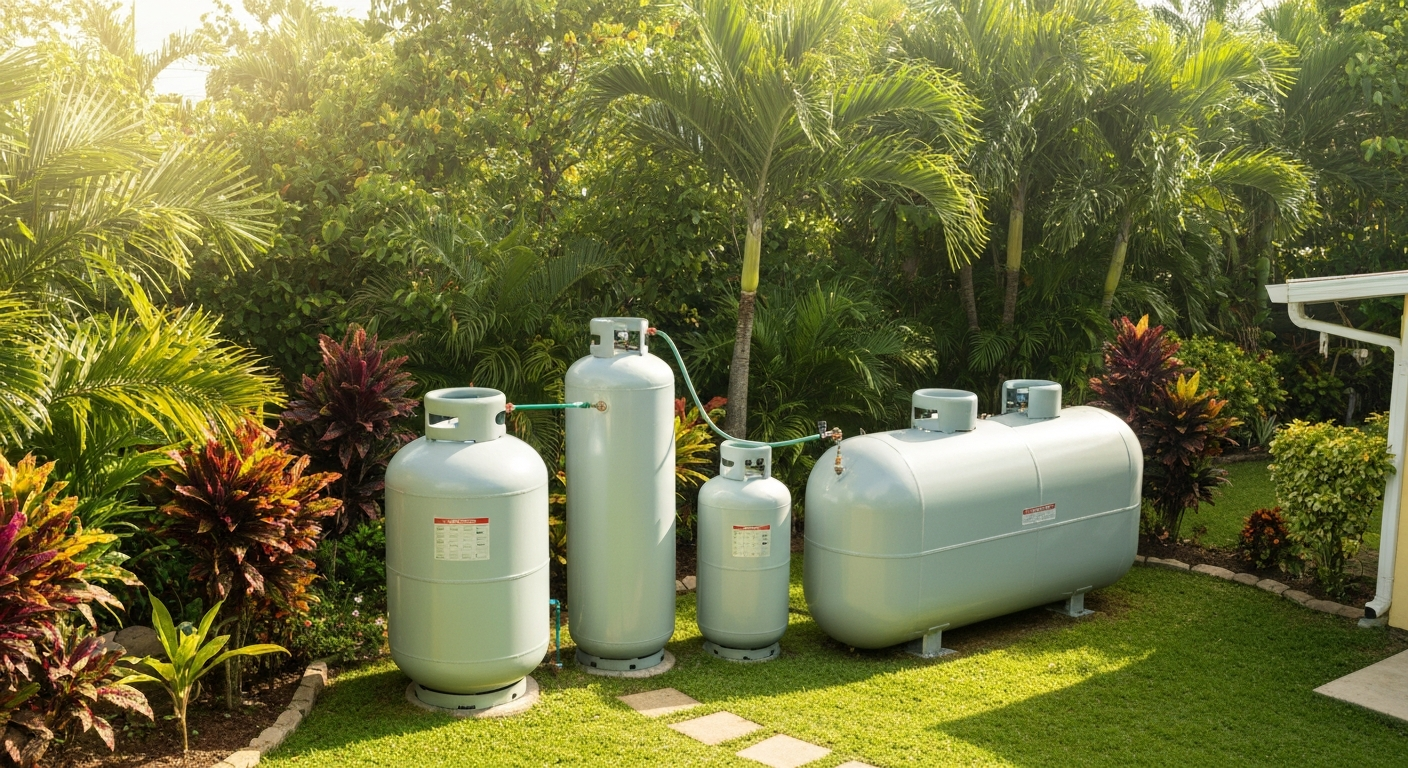
Propane has a specific and important role in Puerto Rico's energy transition framework, recognized even within the renewable energy policy context.
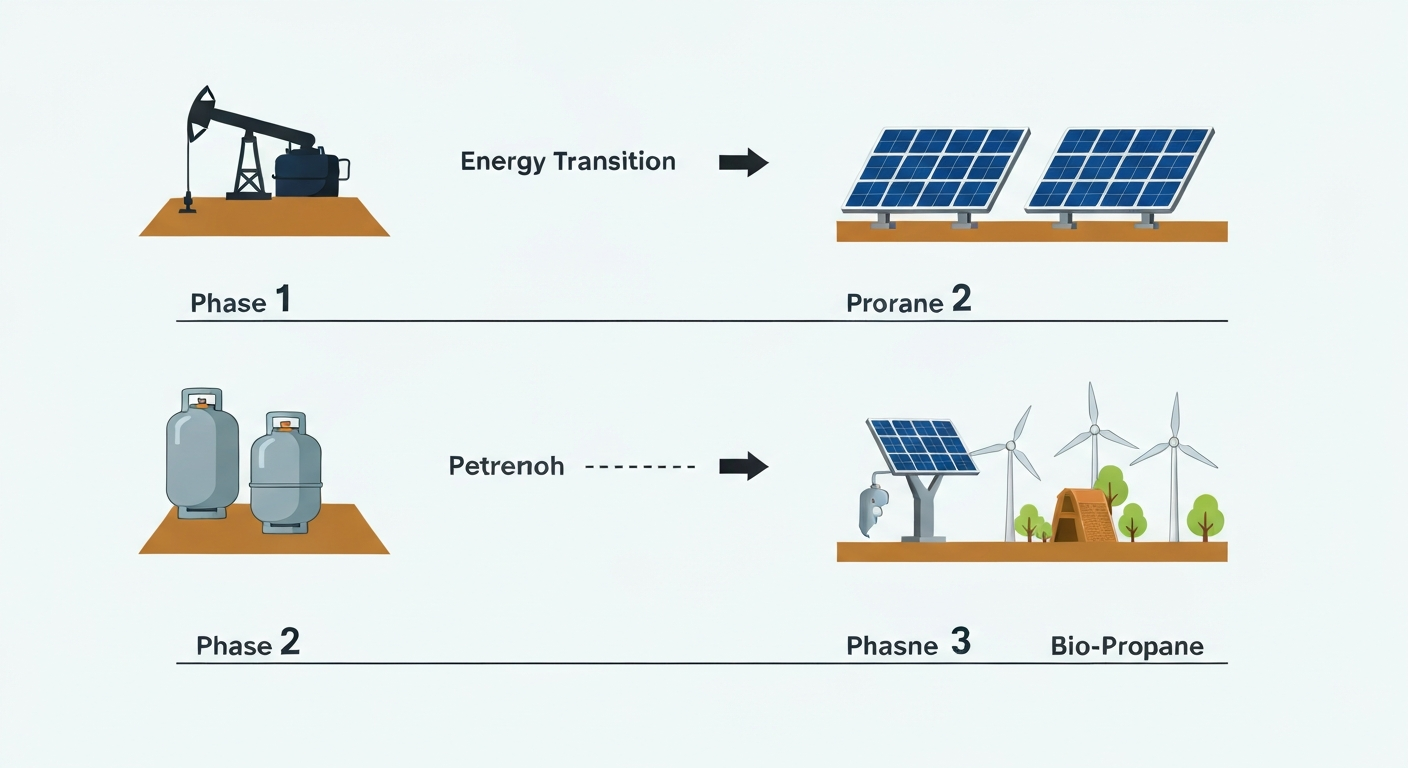
Bridge fuel function: While Puerto Rico builds out renewable generation capacity over decades, propane serves as a bridge fuel that is cleaner than oil-generated electricity. For cooking and water heating, propane produces fewer lifecycle greenhouse gas emissions than electricity generated from petroleum at low efficiency on Puerto Rico's aging grid.
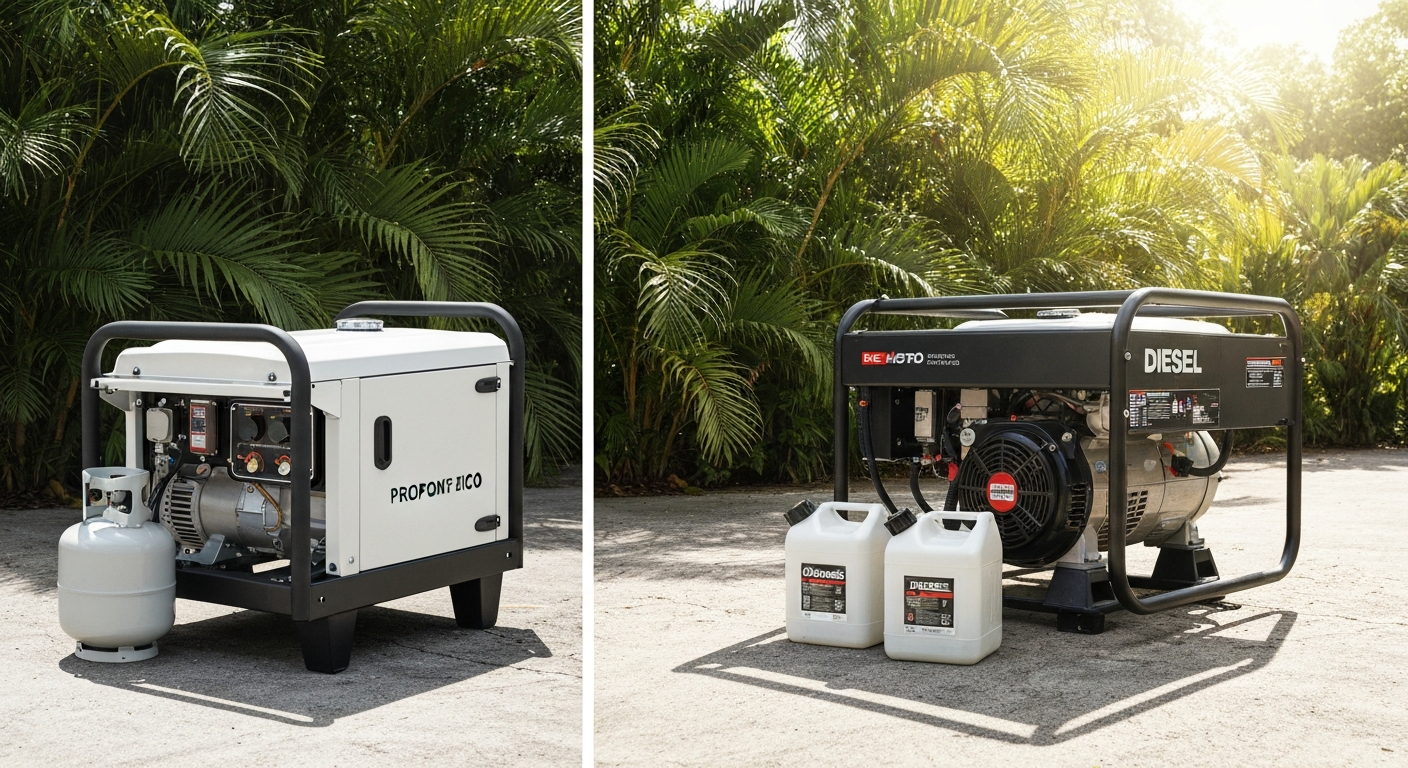
Backup for intermittent renewables: As Puerto Rico adds solar and wind generation, the intermittent nature of these sources requires reliable backup. Propane-powered generation provides the reliable, dispatchable backup that renewable energy requires to maintain grid stability.
Renewable propane pathway: Bio-propane, produced from biological feedstocks, has the same chemical properties as conventional propane and is fully compatible with existing propane equipment. As renewable propane production scales globally, Tropigas is positioned to transition customers to renewable propane without any equipment changes.
What to Expect Over the Next Decade
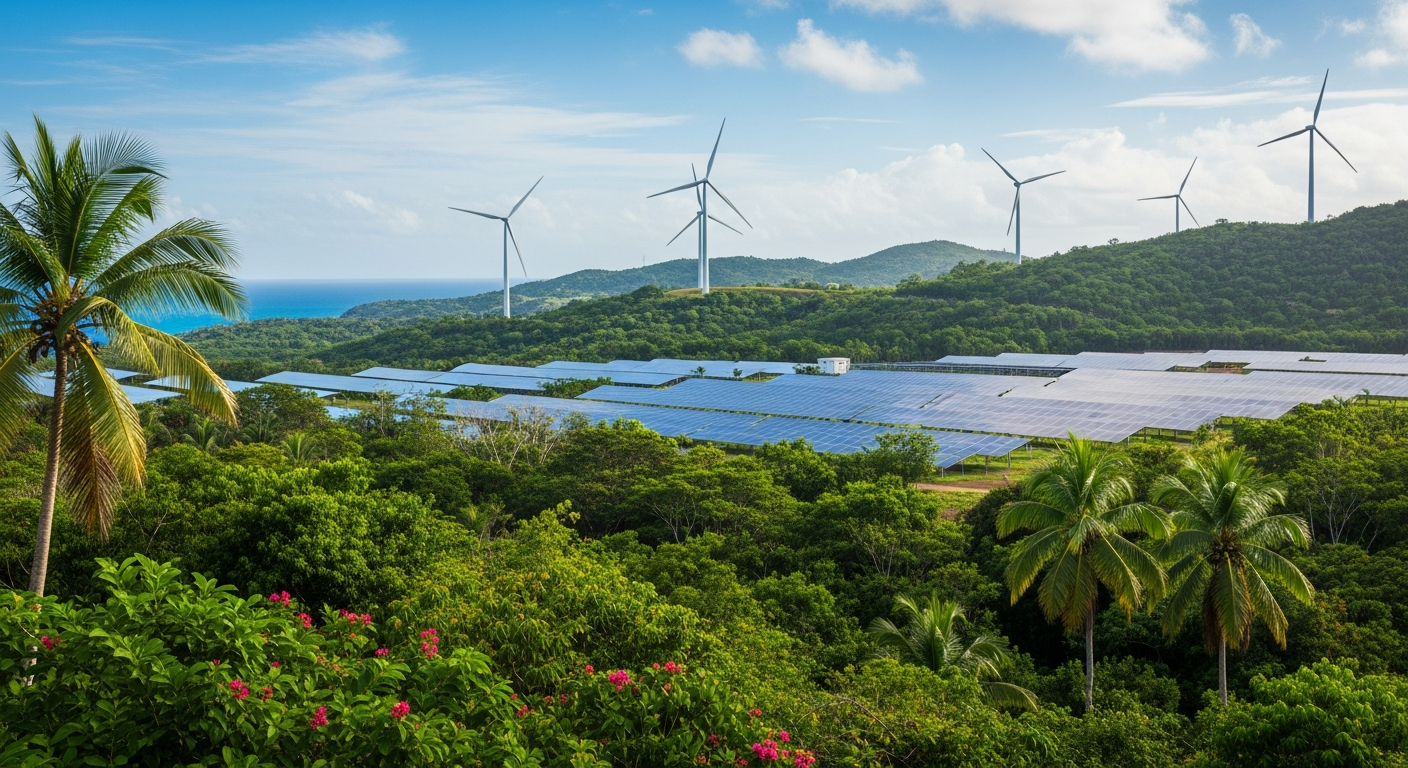
Gradual renewable energy growth: Puerto Rico will add solar and wind generation over the coming years, but the pace will be slower than Act 17-2019 envisioned. The grid will become incrementally cleaner but will remain fossil-fuel dominant through at least the 2030s.
Continued grid unreliability: Grid infrastructure modernization will improve reliability over time, but the process is measured in years to decades. Outage frequency and duration will decrease gradually, not suddenly.
Continued high electricity rates: AEE rates will remain among the highest in the United States throughout the energy transition period. The economics of propane for cooking and water heating will remain favorable relative to AEE electricity.
Frequently Asked Questions
Ing. Rodolfo Leo Quiñones
Operations, Sales and Export Manager , Tropigas / Tropigas SXM
Expert in propane energy systems, NFPA compliance, and industrial gas logistics in Puerto Rico and the Caribbean.