Propane is one of the safest home energy sources available when properly installed, maintained, and used. But safety requires knowing what to do, and equally important, what not to do. This guide covers the most critical safety information every Puerto Rico propane household should know by heart.
If You Smell Gas , Emergency Protocol
⚠️ Warning: Follow these steps immediately if you smell gas:
- Step 1: Do not operate any electrical switch, light switch, phone, or appliance. Even a light switch spark can ignite propane.
- Step 2: Extinguish all open flames immediately, including cigarettes, candles, and stoves.
- Step 3: Close the tank shutoff valve if accessible and safe to do so without entering a gas-filled space.
- Step 4: Evacuate everyone from the building immediately. Leave the door open as you exit to allow gas to dissipate.
- Step 5: From outside and away from the building, call 911. Then call Tropigas at 787-641-8002.
- Step 6: Do not re-enter until a certified Tropigas technician or emergency responder has confirmed it is safe.
Understanding Your Propane System
- The shutoff valve: Your propane tank has a main service valve at the dome of the tank. Know where this valve is and how to close it. Closing this valve shuts off all propane flow from the tank.
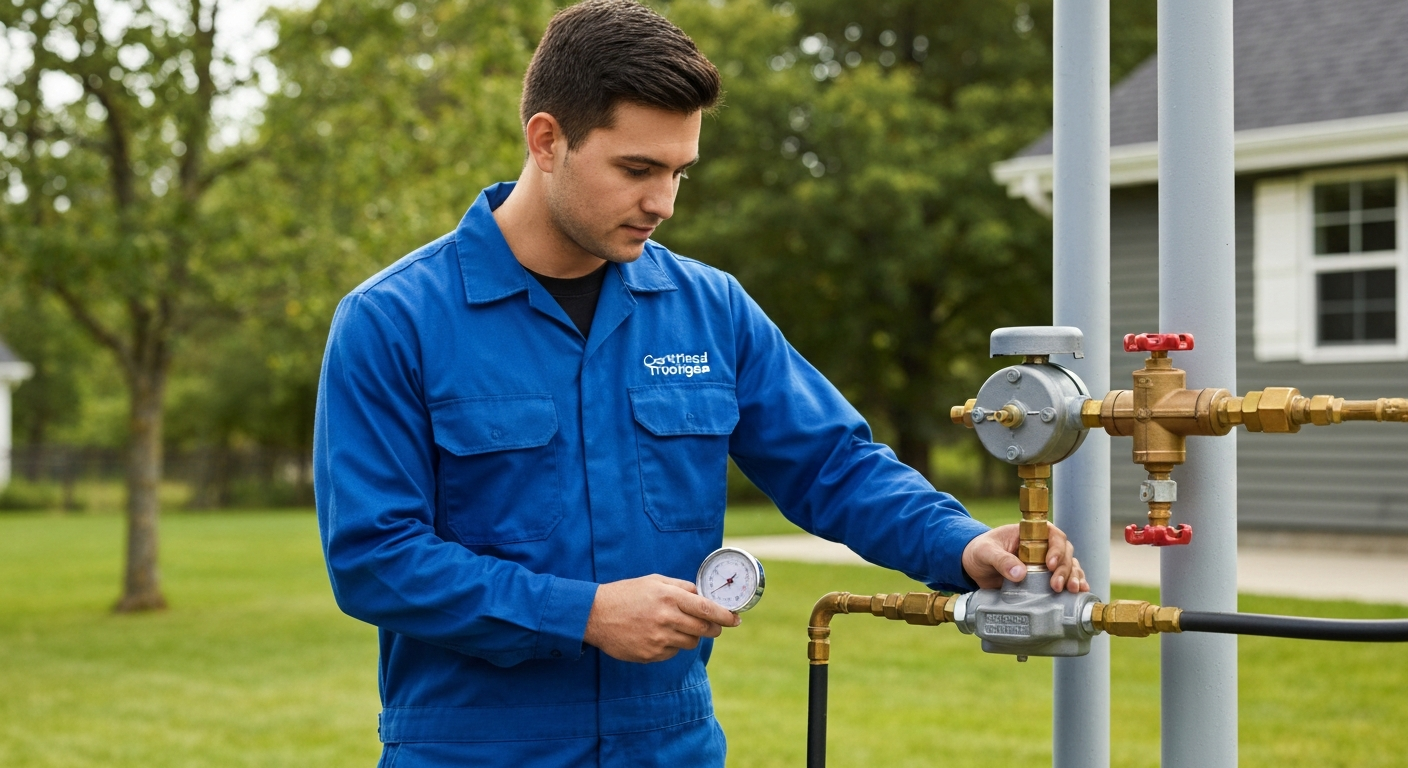
- The regulator: Attached to the tank dome, it controls the pressure at which propane flows to your appliances. Never attempt to adjust or modify the regulator yourself.
- The gas lines: Each appliance should have an individual shutoff valve located within 6 feet of the appliance. Know where these shutoff valves are.
- The pressure relief valve: Every propane tank has one that automatically vents excess pressure. Never block, paint over, or modify it.
Safe Tank Placement and Maintenance
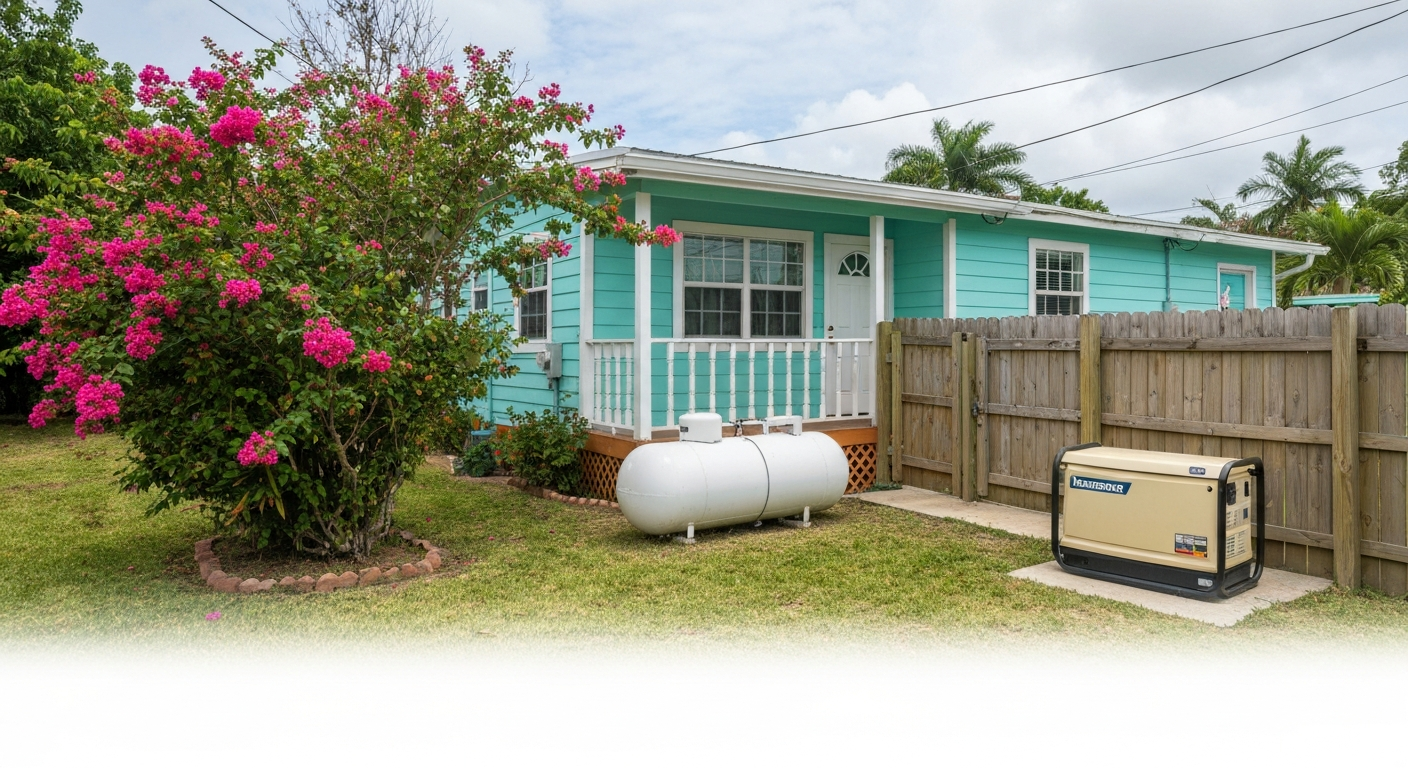
- NFPA 58 clearances: Tanks up to 500 gallons require 10-foot minimum clearance from building openings, doors, windows, and vents.
- Keep the area clear: Maintain the area around your propane tank free of vegetation, debris, and flammable materials. Mow grass around the tank regularly.
- Visual inspection monthly: Walk around your tank monthly and check for obvious damage, corrosion, or rust. If you see something concerning, call 787-641-8002.
- Never: Use a flame to check for gas leaks. Use soapy water instead, bubbles indicate a leak. Never store flammable materials near your propane tank. Never tamper with any component of your propane system.
Need a safety inspection?
Ensure your home is safe and compliant. Schedule your annual inspection today.
Call 787-641-8002Carbon Monoxide Safety
- Install CO detectors: Every Puerto Rico home with propane appliances should have battery-operated carbon monoxide detectors on each level of the home, especially near bedrooms. Test them monthly.
- Never operate propane appliances indoors that are designed for outdoor use: Generators, portable heaters, and grills produce carbon monoxide and must only be used in well-ventilated outdoor areas. Position outdoor generators at least 20 feet from any door, window, or vent.
- If your CO detector sounds: Evacuate immediately. Call 911 from outside. Do not re-enter until emergency responders have cleared the space.
Hurricane Season Safety
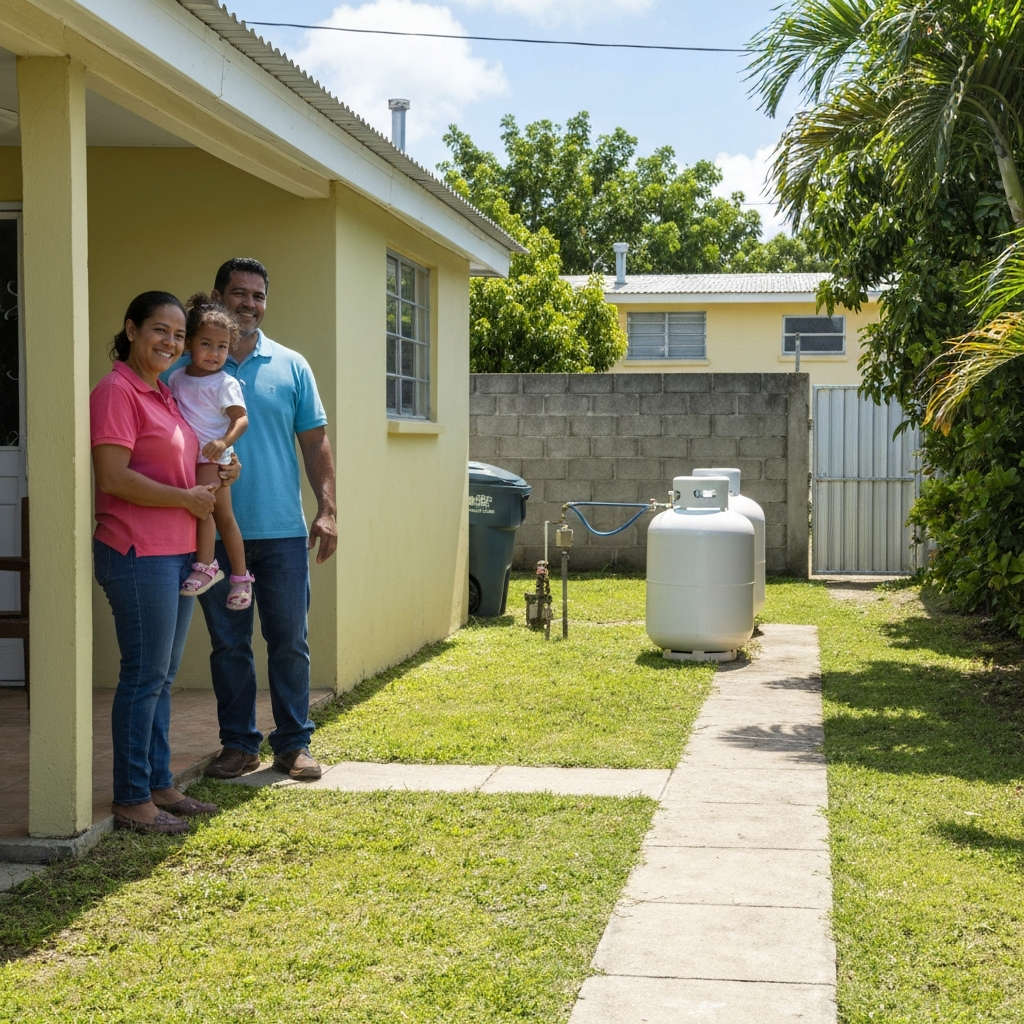
- Before a hurricane: Fill your tank to maximum capacity before June 1 each year. Secure or remove any portable propane cylinders that could become projectiles in high winds. Clear debris from around your propane tank.
- During a hurricane: Your sealed propane tank is safe during a hurricane. Do not attempt to move or disconnect your propane tank during storm conditions.
- After a hurricane: Before resuming operation, visually inspect your propane system for damage. Check that the tank is still properly positioned and anchored. If anything looks damaged, call 787-641-8002 before operating any propane appliances.
Annual Professional Inspection
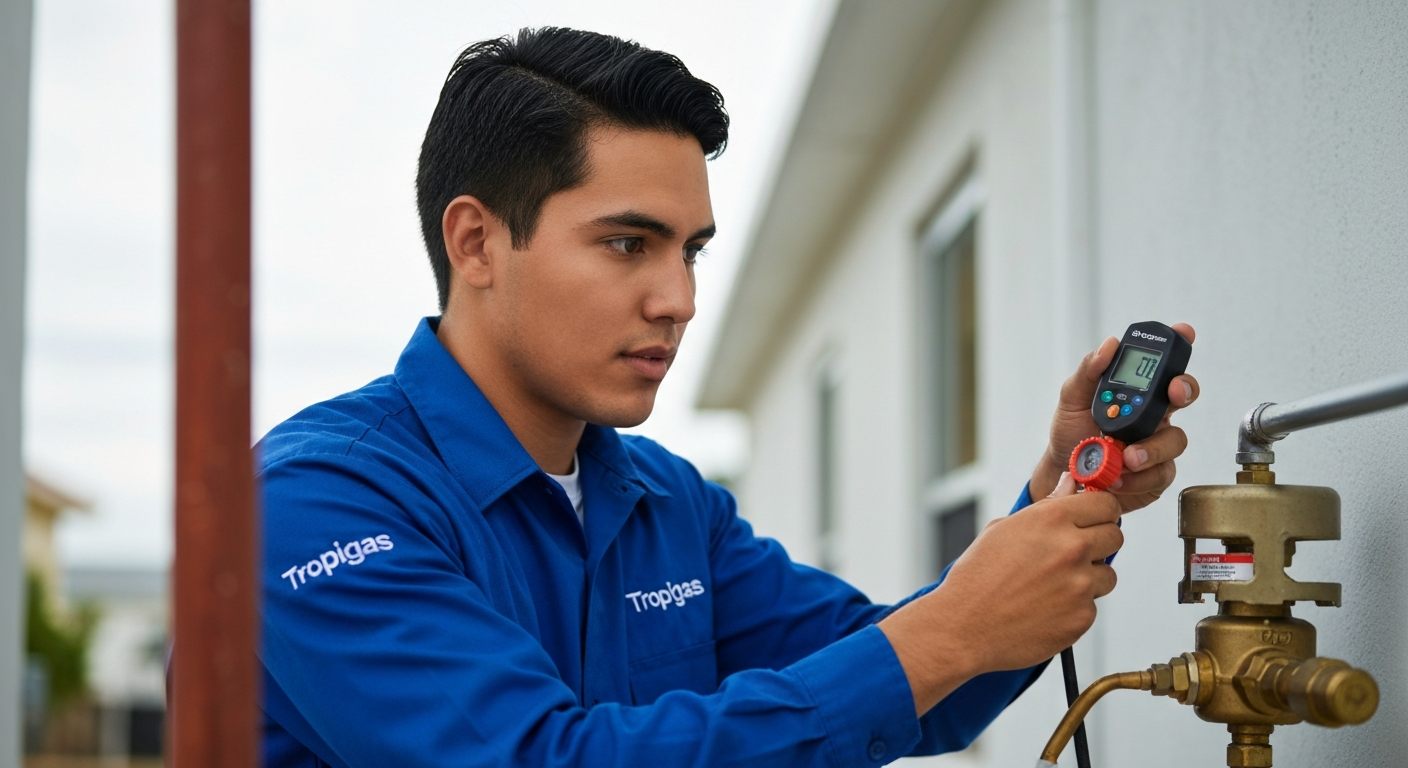
Schedule a professional annual inspection every May before hurricane season. A Tropigas certified technician inspects every component of your system, performs a pressurized leak test, and certifies that your system is safe and code-compliant.
✓ Recommendation: Call 787-641-8002 in March or April to schedule your May inspection. Slots fill quickly as hurricane season approaches.
Teaching Your Household
Every person in your household who is old enough to understand should know:
- Where the main tank shutoff valve is and how to close it
- What the propane smell (rotten egg odor) means and what to do
- Never to operate electrical switches if they smell gas
- To evacuate immediately and call from outside
Post the Tropigas emergency number 787-641-8002 on your refrigerator and near your propane appliances.
Frequently Asked Questions
Ing. Rodolfo Leo Quiñones
Operations, Sales and Export Manager , Tropigas / Tropigas SXM
Expert in propane energy systems, NFPA compliance, and industrial gas logistics in Puerto Rico and the Caribbean.