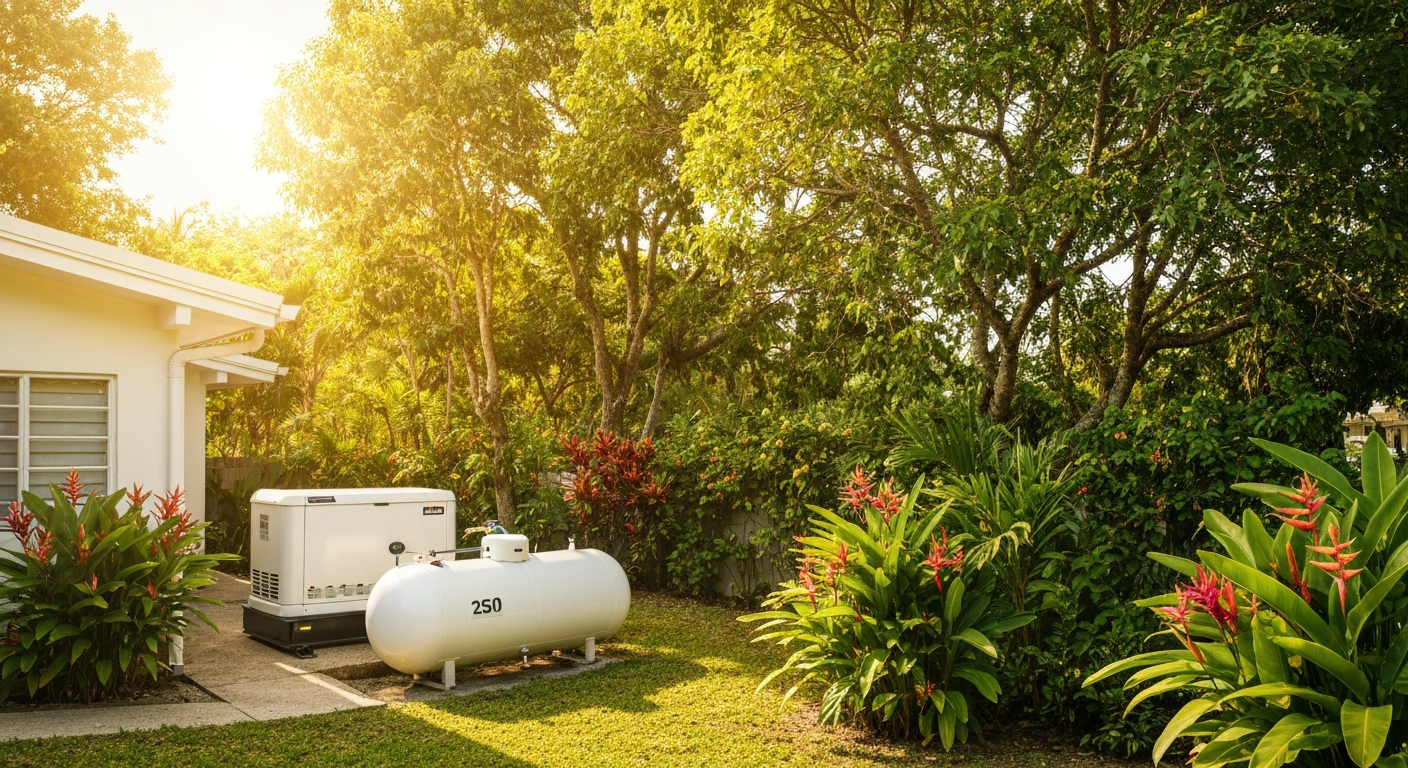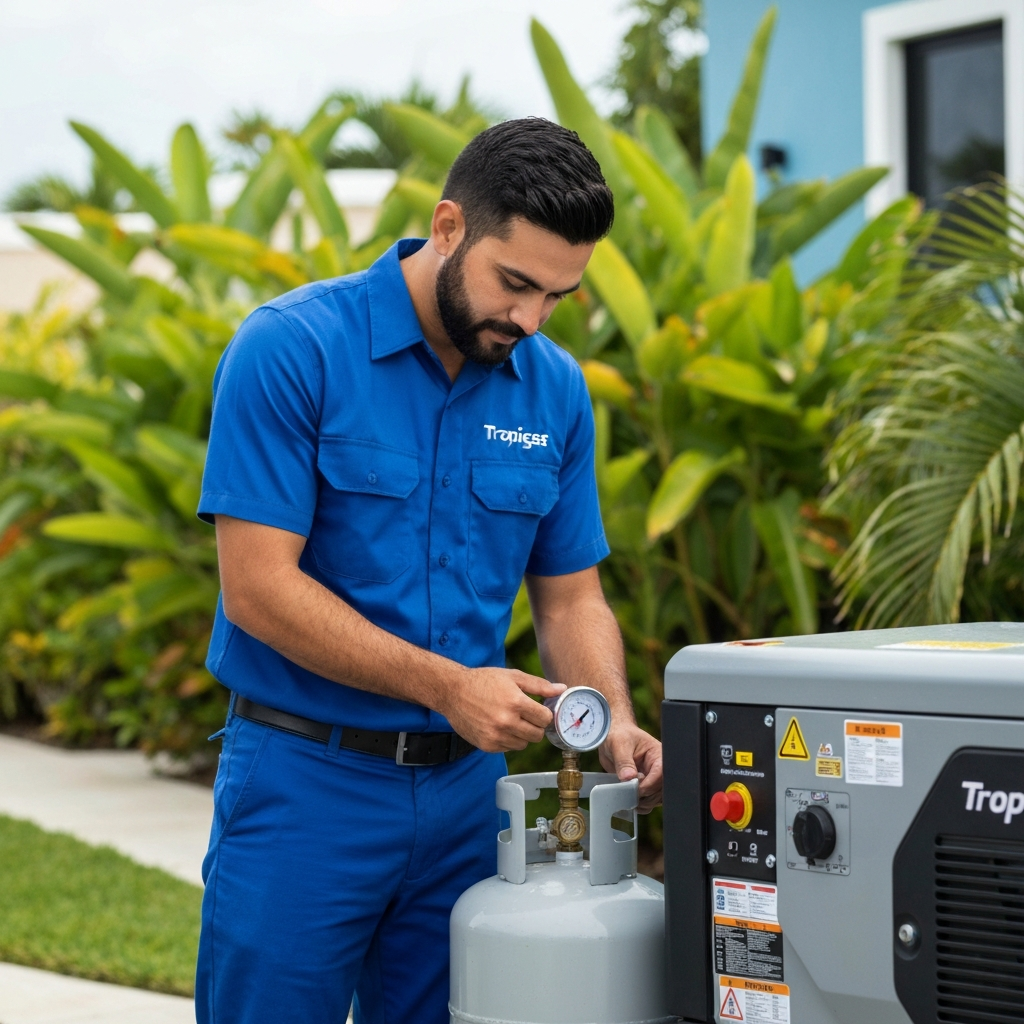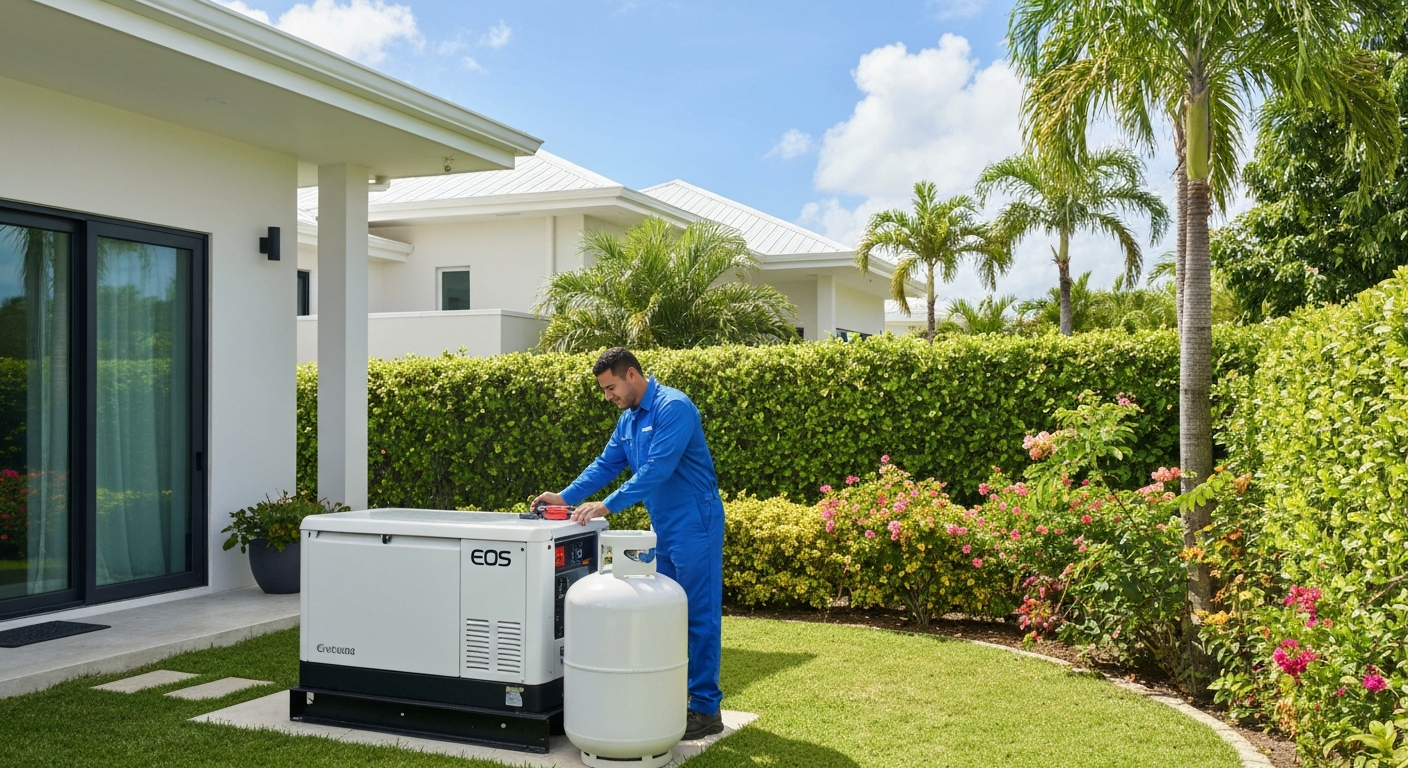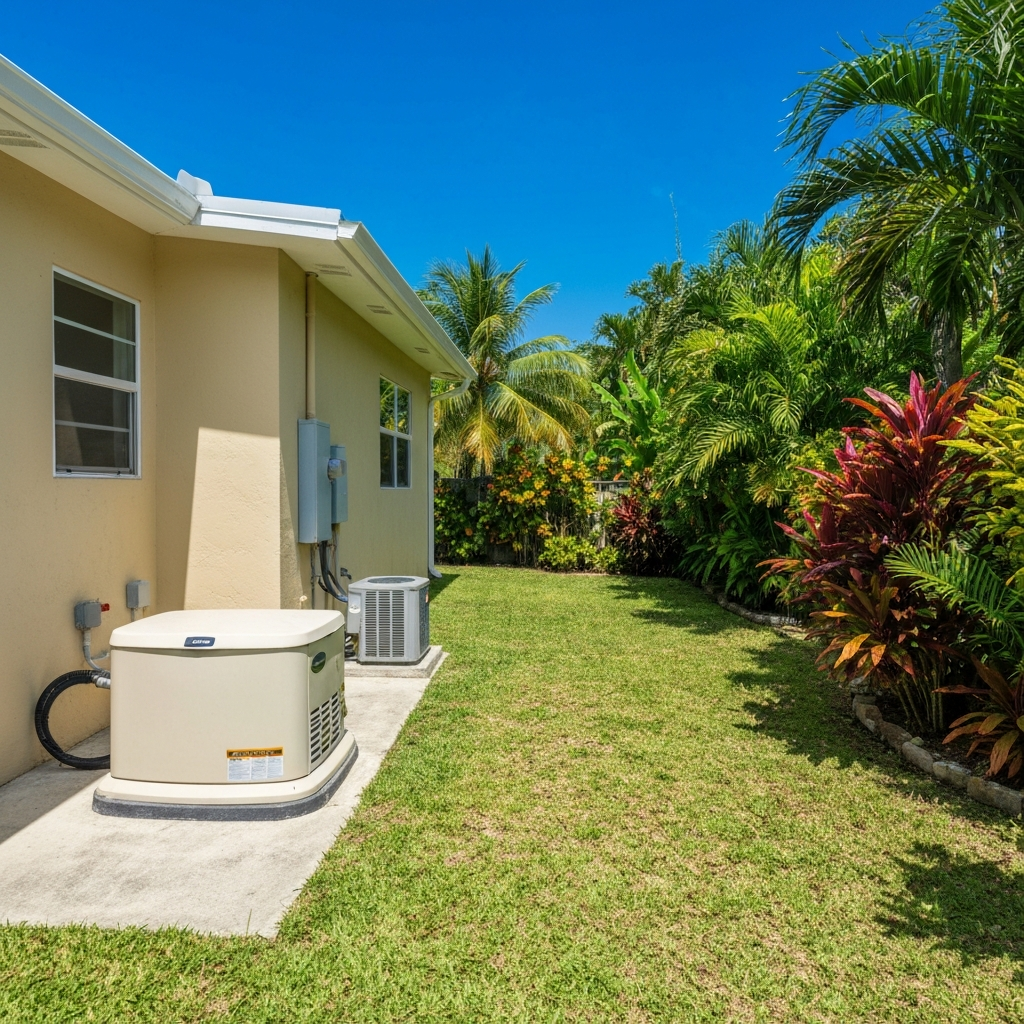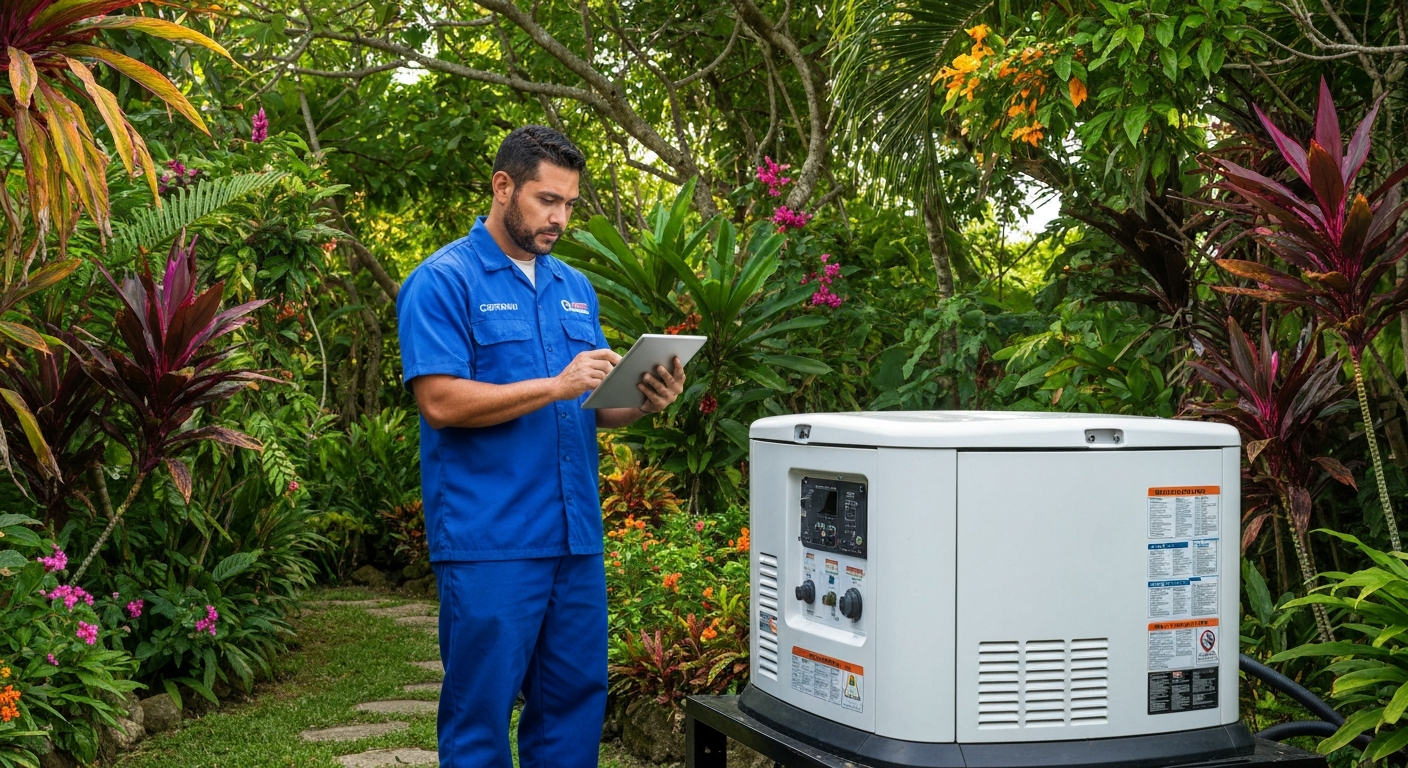
In Puerto Rico, a propane generator is not a luxury, it is essential infrastructure. But a generator that sits unused for months and then fails during a hurricane is worse than no generator at all. This checklist gives you everything you need to keep your propane generator ready when it matters most.
Tropigas engineers recommend a structured maintenance schedule broken into monthly, quarterly, and annual tasks. Following this checklist can extend your generator's lifespan by 5 to 10 years and reduce the risk of failure during an outage by over 80%.
Why Maintenance Matters More in Puerto Rico
Puerto Rico's climate creates unique maintenance challenges that mainland schedules do not account for:
- High humidity accelerates corrosion on metal components, spark plugs, and battery terminals.
- Salt air near coastal areas degrades rubber seals and fuel lines faster than inland locations.
- Extended idle periods between hurricane seasons allow fuel system deposits to build up.
- Post-storm debris and dust enter air filters more frequently than in temperate climates.
- Power fluctuations before an outage can stress the automatic transfer switch.
A generator that passes a quick visual check in June may still fail in September if the internal components have not been properly serviced.
Monthly Maintenance Tasks
Complete these tasks every 30 days, or after any use exceeding 8 hours:
Visual inspection:
- Check the exterior of the propane tank for rust, dents, or damage to the paint coating.
- Inspect all visible fuel lines and connections for cracks, wear, or signs of leakage.
- Verify the pressure relief valve is not blocked or corroded.
- Look for any signs of animal nesting around or inside the generator housing.
Generator check:
- Run the generator under load for 20 to 30 minutes, do not just idle it.
- Check oil level before and after the test run.
- Listen for unusual sounds: knocking, rattling, or irregular exhaust patterns.
- Verify the battery holds charge and the terminals are clean and corrosion-free.
- Check coolant level if your generator is liquid-cooled.
Propane system check:
- Verify the tank gauge reads accurately, compare with your last delivery record.
- Test the gas shutoff valve to confirm it opens and closes smoothly.
- Check the regulator for any signs of freezing or moisture damage.
- Confirm the propane odor detector or gas alarm is functioning.
Quarterly Maintenance Tasks
Complete these tasks every 3 months, typically in March, June, September, and December:
Inspect air filter:
Check the air filter for dirt accumulation. In Puerto Rico's dusty post-storm environment, air filters may need more frequent cleaning or replacement.
Check oil level:
Verify oil level is within the operating range. If oil appears dark, gritty, or has a gasoline smell, change it sooner than the annual schedule.
Inspect spark plugs:
Remove and inspect spark plugs for fouling, wear, or carbon buildup. In humid climates, plugs can corrode faster than the annual replacement schedule suggests.
Test transfer switch:
Simulate a power outage and verify the automatic transfer switch activates within the manufacturer's specified time. A switch that takes more than 10 seconds to activate may need adjustment.
Check fuel lines and connectors:
Inspect all propane connections with a soap-and-water solution or approved leak detector spray. Bubbles indicate a leak that requires immediate professional attention.
Annual Maintenance (Professional Service Required)
Annual professional maintenance should be performed each May, before hurricane season begins. This is the most important maintenance event of the year.
Tropigas propane system inspection:
- Complete visual inspection of the propane tank for corrosion, physical damage, and paint integrity.
- Regulator testing and pressure verification.
- Pressure relief valve testing.
- All fuel line connections inspected and tightened.
- Tank recertification check if the tank is approaching its 12-year inspection date.
Generator service (by certified technician):
- Oil and filter change.
- Spark plug replacement.
- Air filter replacement.
- Fuel system cleaning.
- Battery load test and replacement if capacity has dropped below 80%.
- Coolant flush for liquid-cooled models.
- Automatic transfer switch calibration.
- Load bank test to verify rated output capacity.
Documentation:
- Record all maintenance performed with dates and technician name.
- Update your generator log with current hours of operation.
- Schedule your next propane delivery to ensure tank is at the 90% fill level before June 1.
Pre-Hurricane Season Checklist
Complete this checklist between April 15 and May 31 each year:
- □ Annual professional service completed
- □ Propane tank filled to 90% (standard fill level in Puerto Rico)
- □ Generator run test completed under full load for minimum 2 hours
- □ Transfer switch tested and verified
- □ All fuel lines and connections inspected for leaks
- □ Air filter cleaned or replaced
- □ Oil changed if not done within the last 100 operating hours
- □ Battery fully charged and terminals clean
- □ Generator exercise schedule confirmed (monthly minimum)
- □ Emergency contact list updated: Tropigas 787-641-8002, CHEMTREC 1-800-424-9300
Post-Extended-Use Maintenance
After any extended use of 72 hours or more (such as during a major hurricane):
- Change oil immediately, extended use degrades oil faster than normal operation.
- Inspect and clean the air filter, which collects more debris during storm conditions.
- Check all propane connections for loosening caused by vibration.
- Allow the generator to cool completely before performing any maintenance.
- Schedule a propane refill, do not let the tank drop below 20%.
- Document hours used and schedule your next professional service accordingly.
Frequently Asked Questions
Ing. Rodolfo Leo Quiñones
Operations, Sales and Export Manager , Tropigas / Tropigas SXM
Expert in propane energy systems, NFPA compliance, and industrial gas logistics in Puerto Rico and the Caribbean.