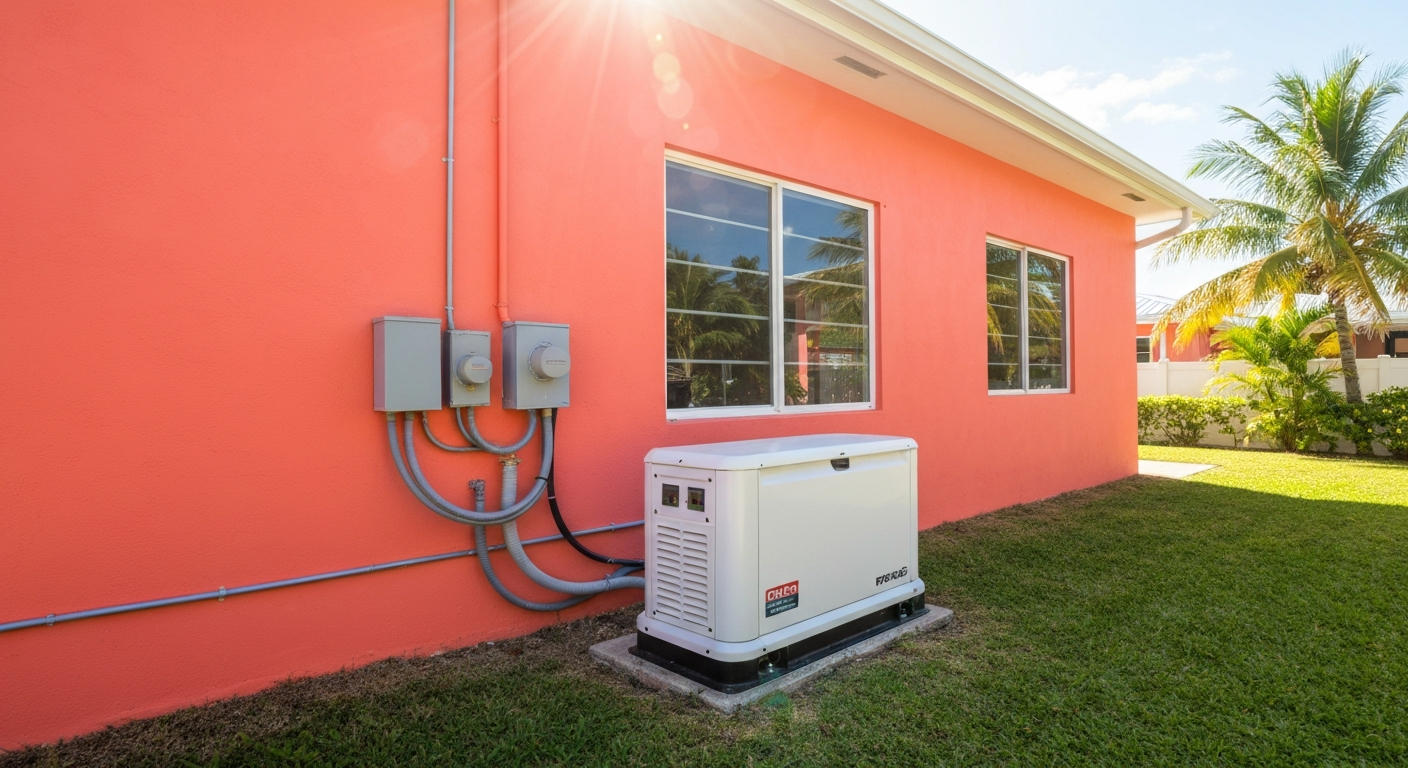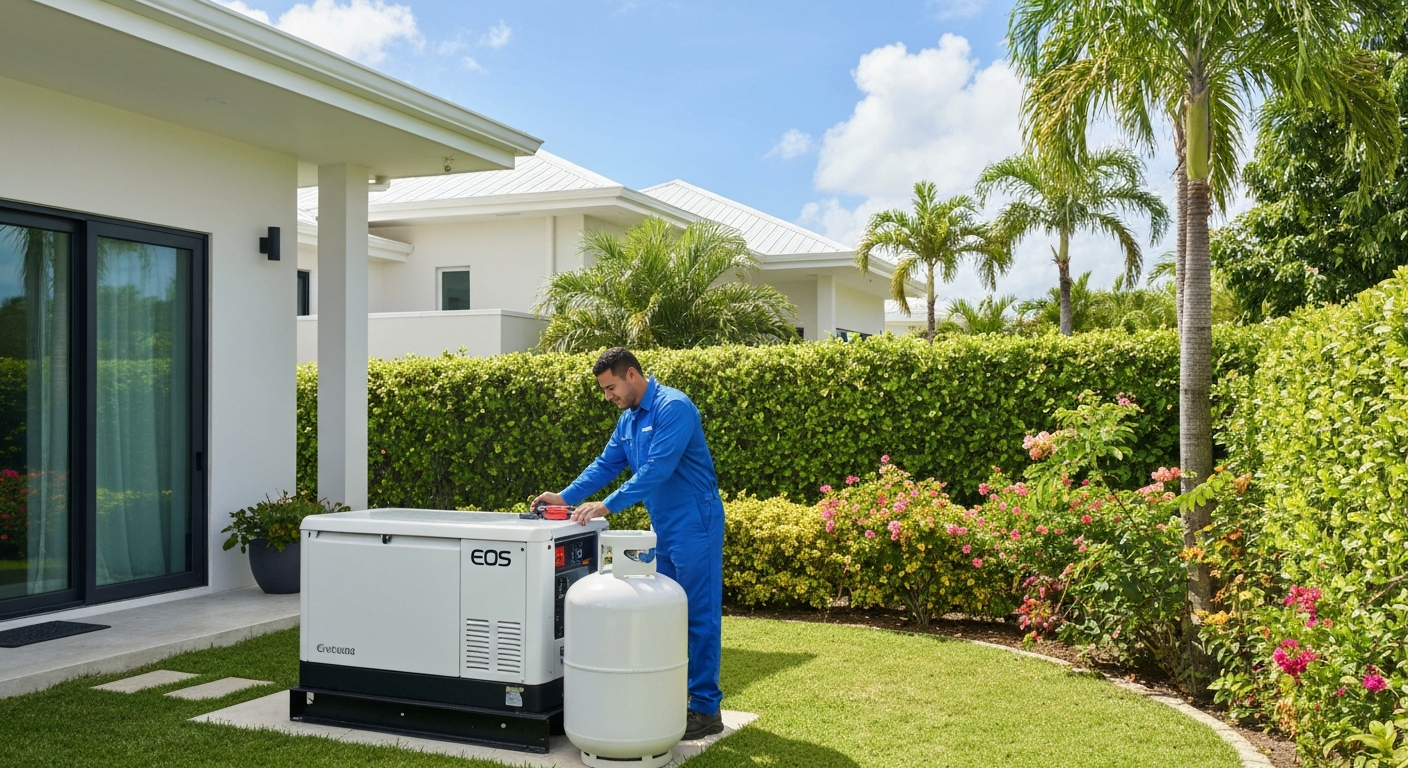
Hurricane season in Puerto Rico runs June through November. If your propane generator isn't ready before the first storm, it won't be ready when you need it most. This checklist covers everything you need to do now, not when a Category 3 is 48 hours away.
60 Days Before Hurricane Season (April–May)
⚡ Key Action: Schedule your annual maintenance and tank fill early. Technician schedules fill up rapidly once a storm is announced.
Tank and Fuel
- Schedule a propane delivery to fill your tank to 90% capacity
- Inspect tank exterior for rust, dents, or damage
- Verify all tank valves open and close freely
- Confirm regulator is functioning and not cracked or corroded
Generator Equipment
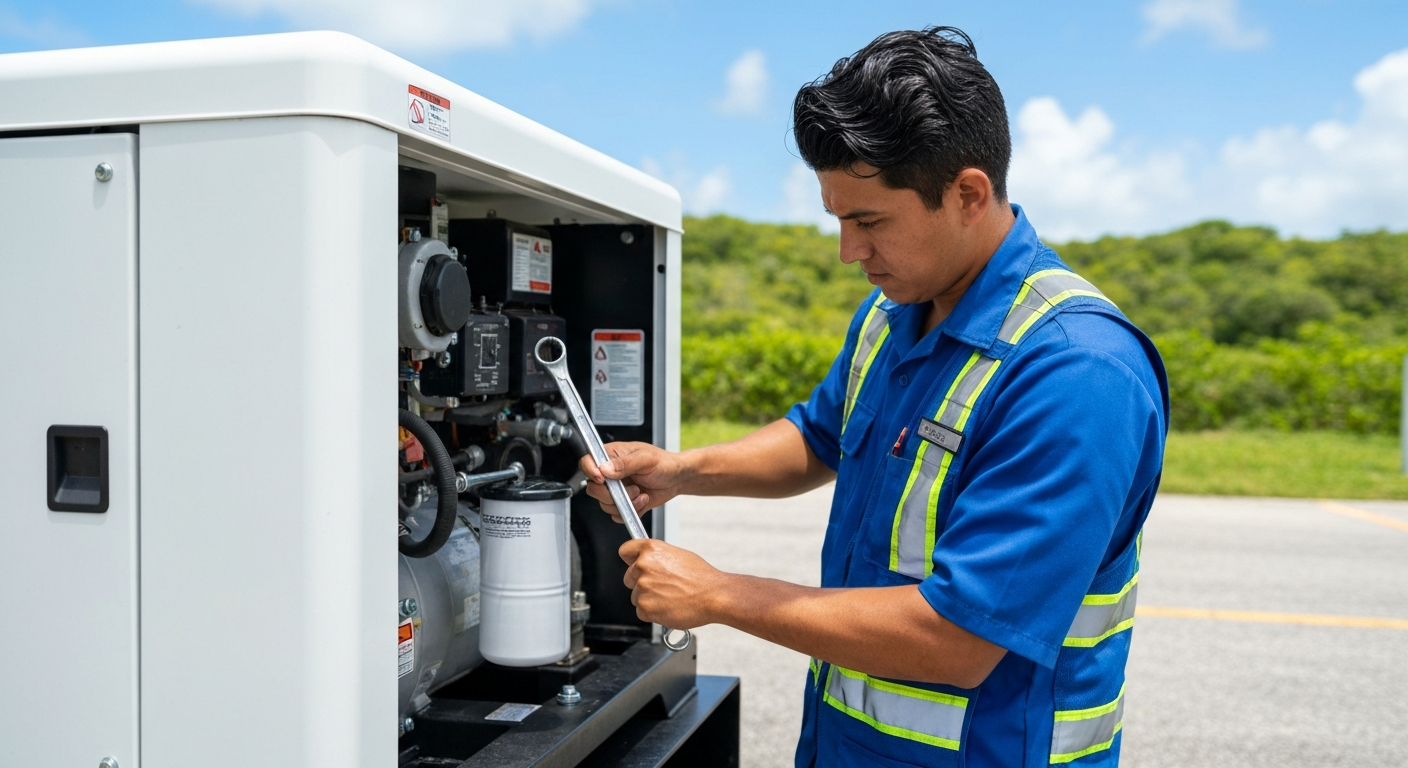
- Schedule annual generator service with a certified technician
- Change oil and oil filter
- Replace spark plugs
- Inspect and clean air filter
- Test battery and replace if over 3 years old
- Check all electrical connections for corrosion
- Test automatic transfer switch
System Test
- Run generator under load for at least 30 minutes
- Verify automatic transfer switch activates correctly
- Check for unusual noise, smoke, or vibration
- Confirm generator output voltage is within spec
30 Days Before Hurricane Season (May)
- Verify propane supplier contact information is current, Tropigas: 787-641-8002
- Confirm delivery access to your property is clear
- Review generator manual for emergency procedures
- Ensure all family members know how to operate the generator manually
- Stock extra oil and air filters on hand
When a Storm Is Announced (72–48 Hours Out)
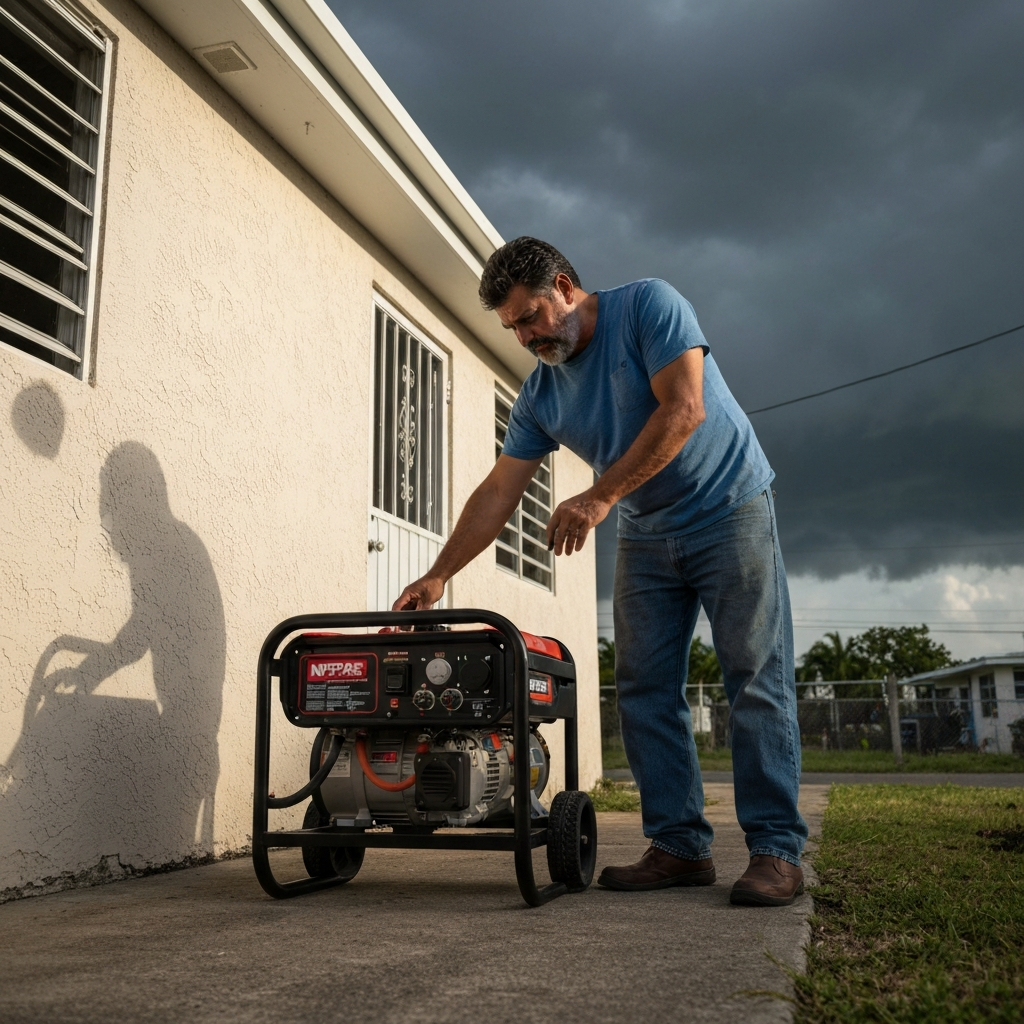
⚠️ Safety Warning: Never operate a generator indoors, in a garage, or in an enclosed balcony. Carbon monoxide is deadly and odorless.
- Request emergency propane top-off if tank is below 70%
- Clear debris within 5 feet of generator and tank
- Verify generator exhaust is unobstructed
- Test generator one final time
- Secure any loose covers or panels
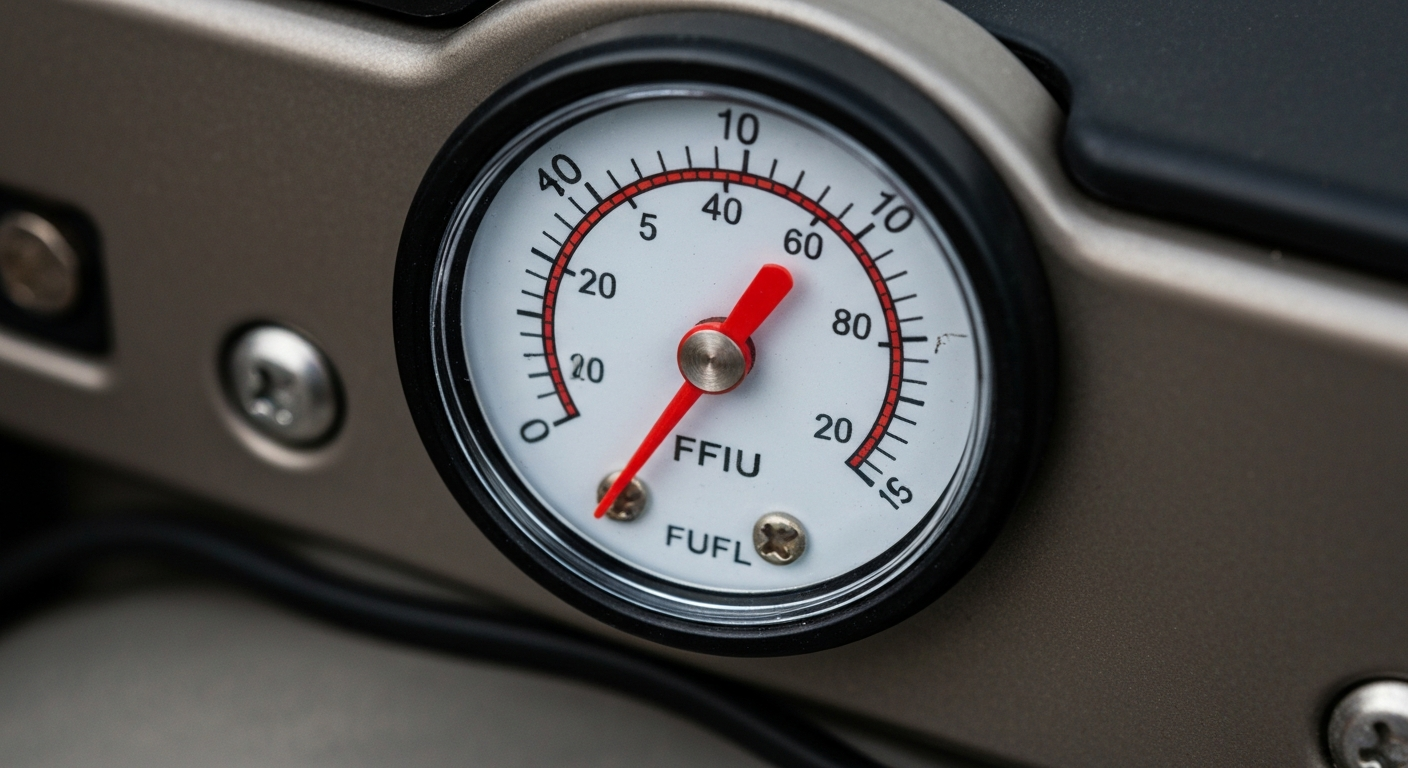
- Note tank gauge reading before storm
After the Storm
- Inspect generator and tank for physical damage before starting
- Check for gas smell before operating
- Verify exhaust path is clear of debris
- Monitor propane level daily during extended outage
- Schedule post-storm service inspection
How Much Propane Do You Need for Hurricane Season?
| Home Size | Generator Size | Daily Consumption | 500-Gal Tank Lasts |
|---|---|---|---|
| Small (under 1,500 sq ft) | 11–15 kW | 1.5–2 gal/hr | 10–14 days |
| Medium (1,500–2,500 sq ft) | 16–22 kW | 2–3 gal/hr | 7–10 days |
| Large (2,500+ sq ft) | 22–30 kW | 3–4 gal/hr | 5–7 days |
✓ Recommendation: For extended outages like those following Maria and Fiona, a 500-gallon tank is the minimum recommended for whole-home backup.
Tropigas Is Ready Before the Storm
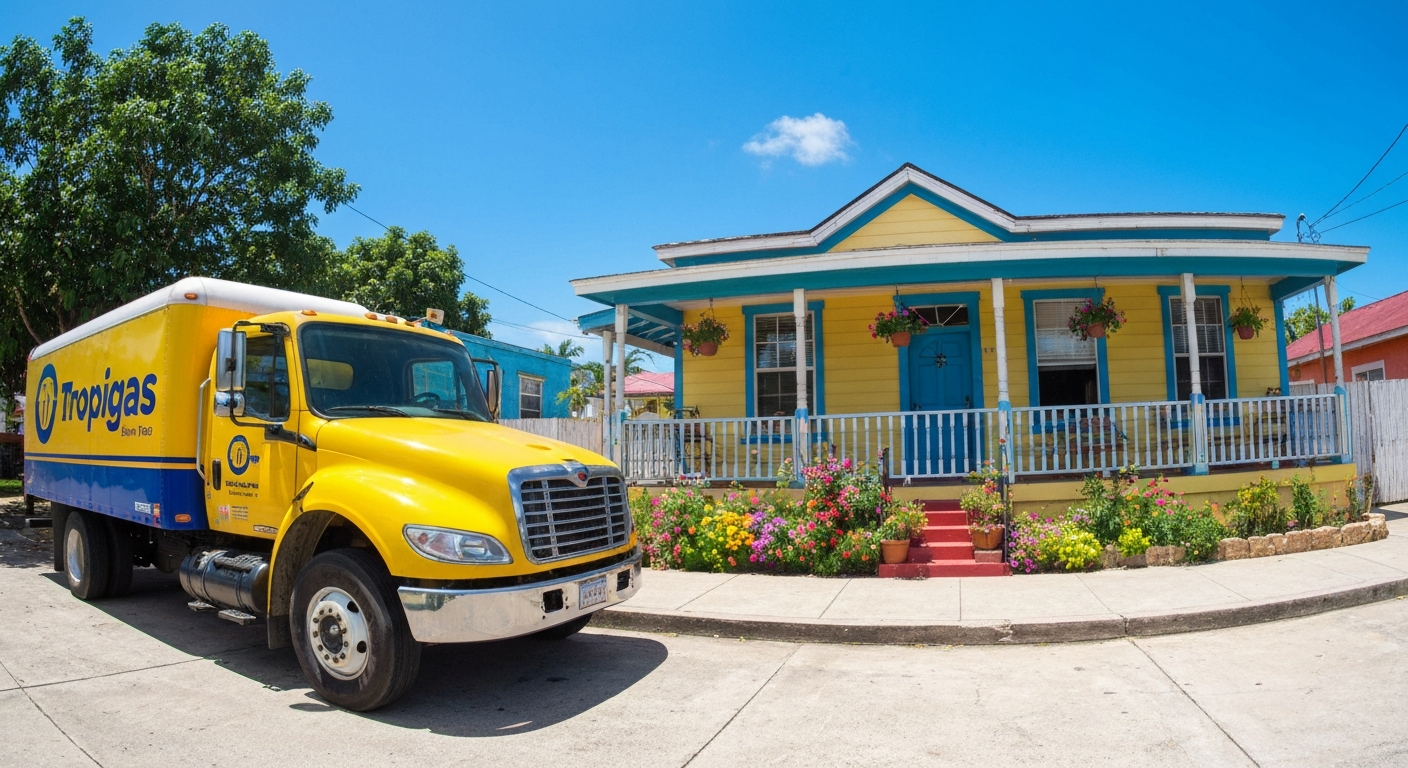
Tropigas has 23 plants across Puerto Rico. We prioritize propane delivery before and after major storms so your generator never runs dry.
Call 787-641-8002Frequently Asked Questions
Ing. Rodolfo Leo Quiñones
Operations, Sales and Export Manager , Tropigas / Tropigas SXM
Expert in propane energy systems, NFPA compliance, and industrial gas logistics in Puerto Rico and the Caribbean.