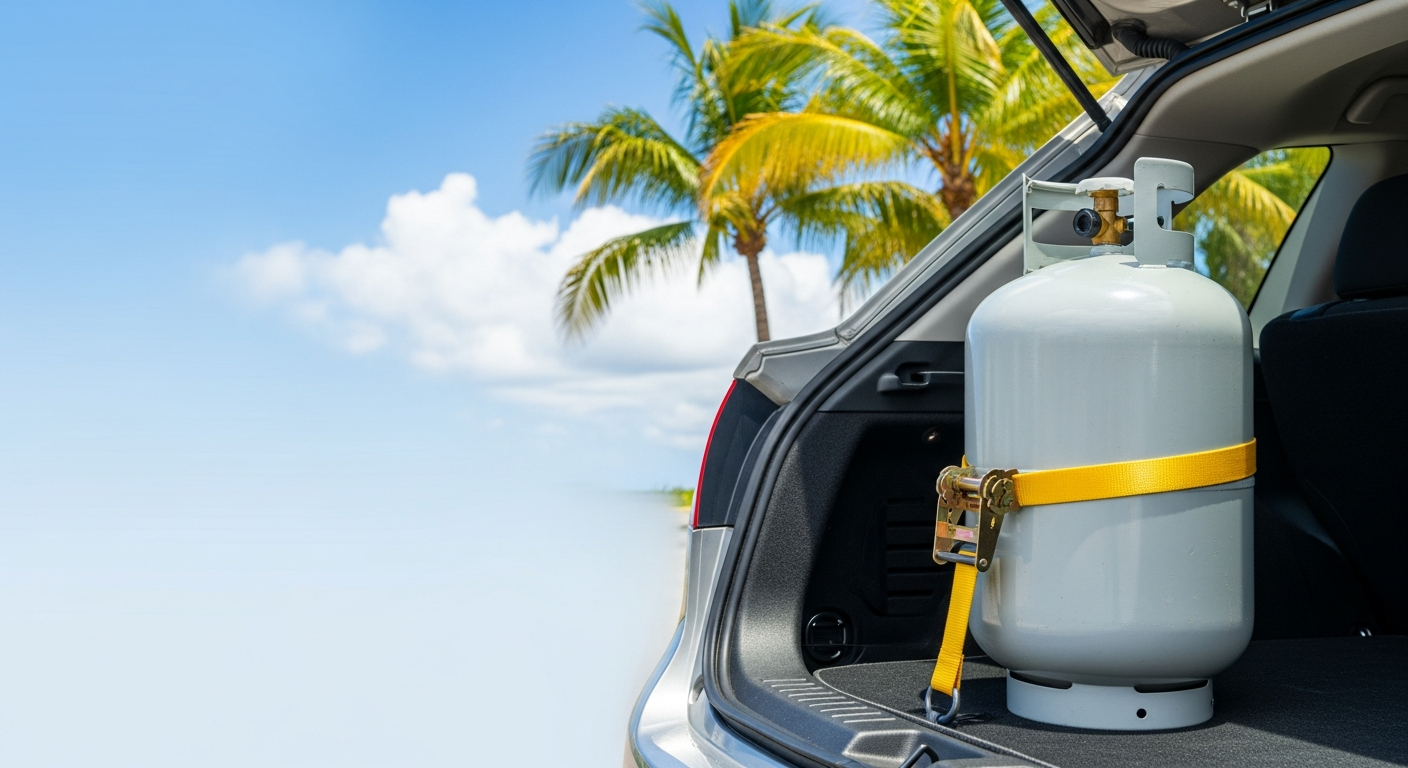
Is it safe to transport a propane tank in your personal vehicle in Puerto Rico, and what are the rules for doing it correctly? Many Puerto Rico residents transport portable propane cylinders, typically 20 lb BBQ tanks, to and from Tropigas plants for refill or exchange. Done correctly, this is safe and routine. Done incorrectly, it creates a serious safety hazard. This guide explains exactly how to transport a propane tank safely in Puerto Rico, what positions are dangerous, and what to do if you need to leave a tank in your vehicle.
For questions about propane tank transport in Puerto Rico, call Tropigas at 787-641-8002.
Can You Transport a Propane Tank in Your Car
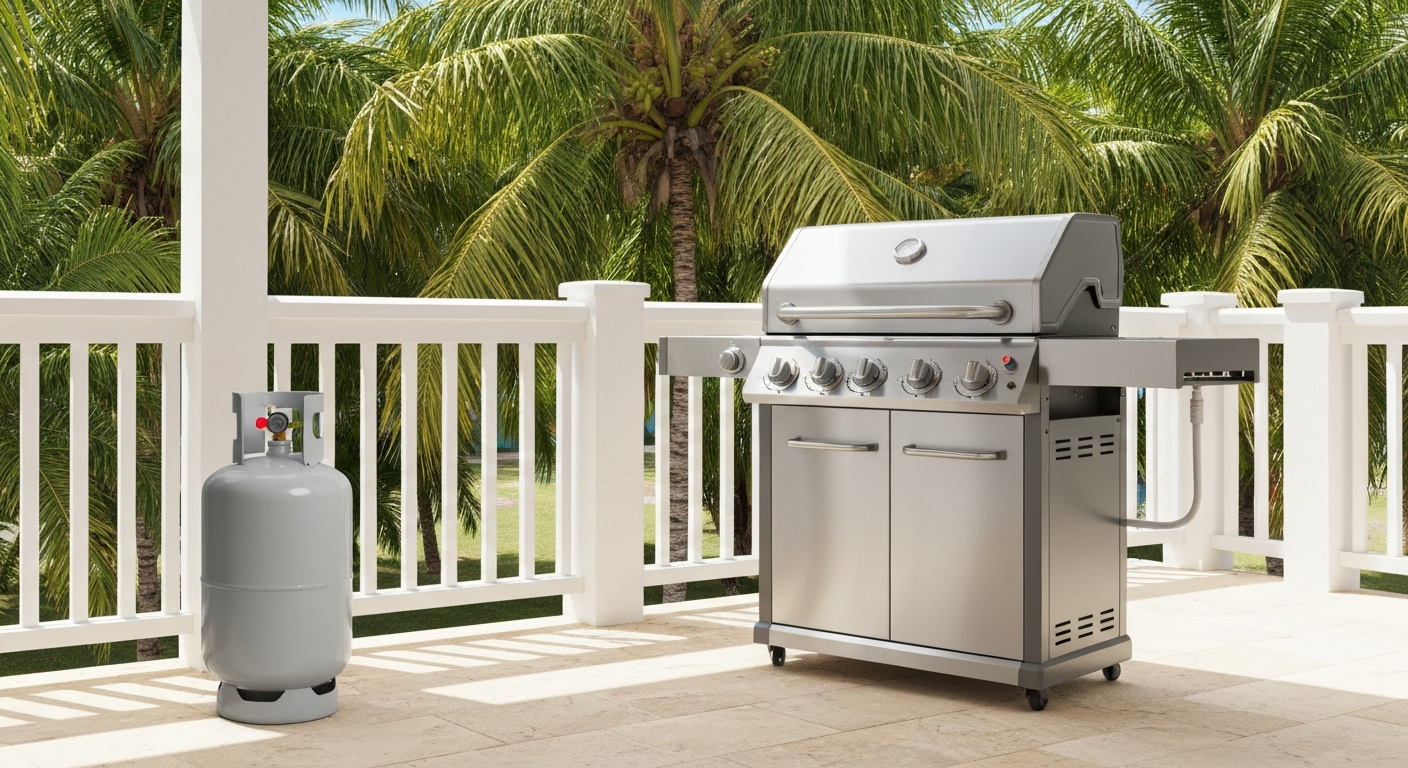
Yes, transporting a small portable propane cylinder (20 lb or smaller) in a personal vehicle is generally safe when done correctly, and it is common practice in Puerto Rico for residents bringing cylinders to Tropigas plants for refill or exchange. Larger stationary tanks (100 lb and above) are not designed for personal vehicle transport and should only be moved by certified Tropigas technicians using proper equipment.
For 20 lb cylinders, the key is correct positioning, securing, and ventilation. Call 787-641-8002 with any transport questions.
How to Transport a Propane Tank Correctly
Transporting a propane cylinder correctly requires following several rules. Keep the cylinder upright at all times, never on its side, since propane tanks are designed to vent safely through the relief valve only when upright. Always keep the valve cap or plug on during transport to protect the valve from damage. Secure the cylinder so it cannot tip over, roll, or shift during driving, using a strap, rope, or a stable container. Transport the cylinder in the trunk or cargo area with windows or the trunk slightly open for ventilation, never in a fully sealed passenger cabin. Drive directly to your destination without unnecessary stops or delays.
Following these steps minimizes risk during transport. For additional visual guidance, see our blog post on the dangers of transporting propane tanks improperly secured in vehicle seats. Call 787-641-8002 for questions.
Is It Dangerous to Transport a Propane Tank on Its Side
Yes, transporting a propane cylinder lying on its side is dangerous and should be avoided. When a propane tank lies on its side, the relief valve, which is designed to vent vapor safely from the top of an upright tank, can instead release liquid propane. Liquid propane expands rapidly when it vaporizes, and venting liquid instead of vapor creates a much larger volume of flammable gas release than the valve is designed to handle safely.
Always keep propane cylinders upright during transport, storage, and use. Call 787-641-8002 for guidance.
What Happens If You Leave a Propane Tank in Your Car
Leaving a propane cylinder in a parked car, especially in direct sun or extreme heat, creates risk that increases with time, temperature, and how full the cylinder is. Heat causes the propane inside to expand, increasing internal pressure. While cylinders are designed with relief valves to handle normal pressure increases, extended exposure to extreme heat increases risk unnecessarily. Avoid leaving a propane cylinder in a parked car for extended periods, especially in direct sunlight during Puerto Rico's hot season.
If you must transport a cylinder, plan your trip to minimize the time it sits in the vehicle. Call 787-641-8002 with any concerns.
Ventilation Requirements During Transport
Proper ventilation during propane cylinder transport is essential because if a slow leak were to occur, propane vapor needs somewhere to escape rather than accumulating in an enclosed space. Crack a window or leave the trunk slightly open during transport. Never transport a propane cylinder in a fully sealed vehicle interior with all windows and vents closed. If you smell propane at any point during transport, stop the vehicle safely, exit immediately, and call 911 before approaching the vehicle again.
This precaution costs nothing and significantly reduces risk. Call 787-641-8002 for more guidance.
Legal and Safety Considerations in Puerto Rico
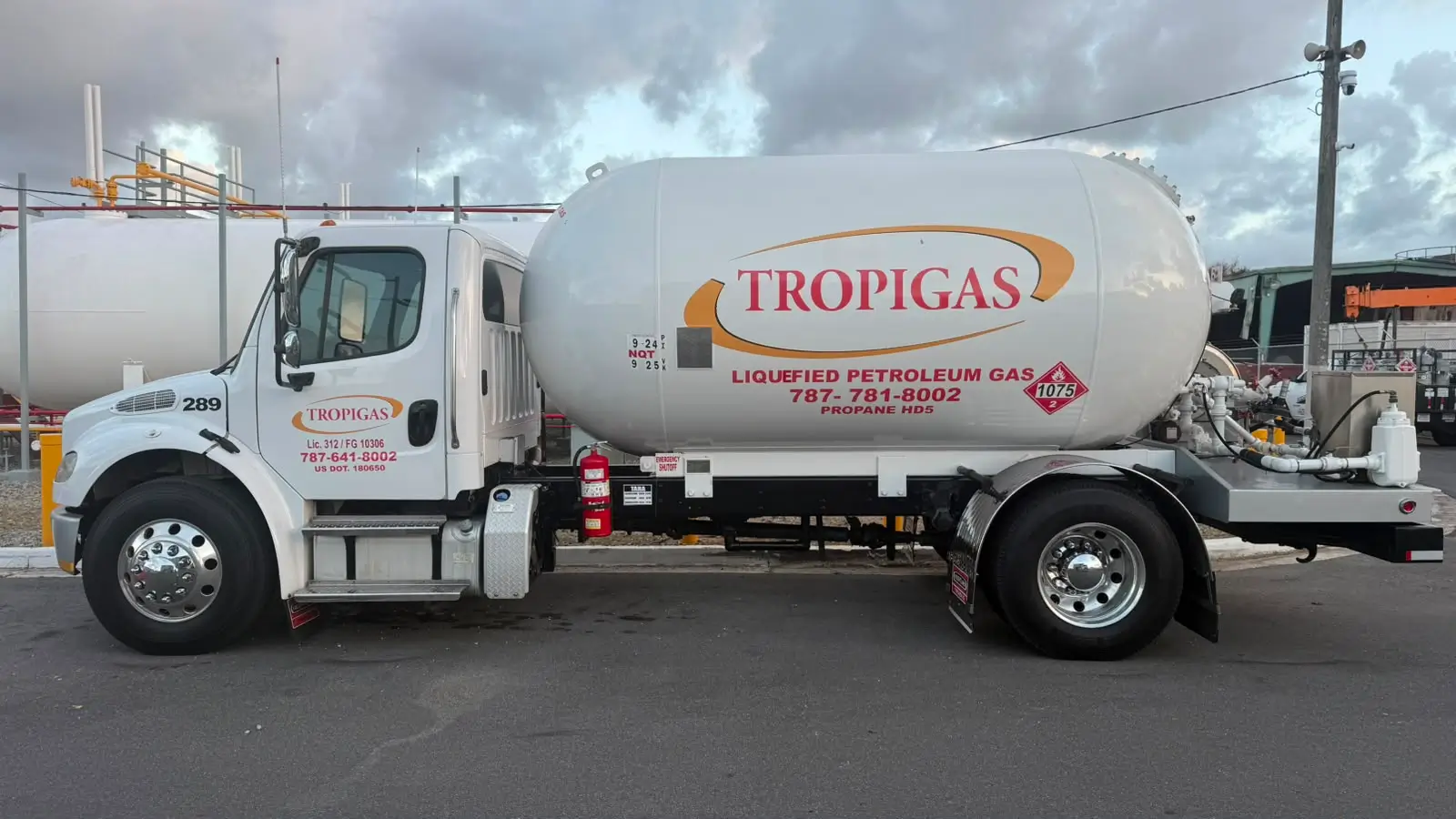
Transporting small propane cylinders for personal use in Puerto Rico, such as bringing a 20 lb cylinder to a Tropigas plant for refill, is a routine and legal activity when done safely. However, transporting large quantities of propane, multiple cylinders for commercial purposes, or any stationary tank requires compliance with DOT hazmat transport regulations and should only be performed by certified carriers. Tropigas handles all large-volume and stationary tank transport with properly equipped and certified personnel.
For anything beyond a single small portable cylinder, call Tropigas at 787-641-8002 rather than attempting transport yourself.
Frequently Asked Questions
Ing. Rodolfo Leo Quiñones
Gerente de Operaciones, Ventas y Exportaciones
Expert in propane energy systems, NFPA compliance, and industrial gas logistics in Puerto Rico and the Caribbean.