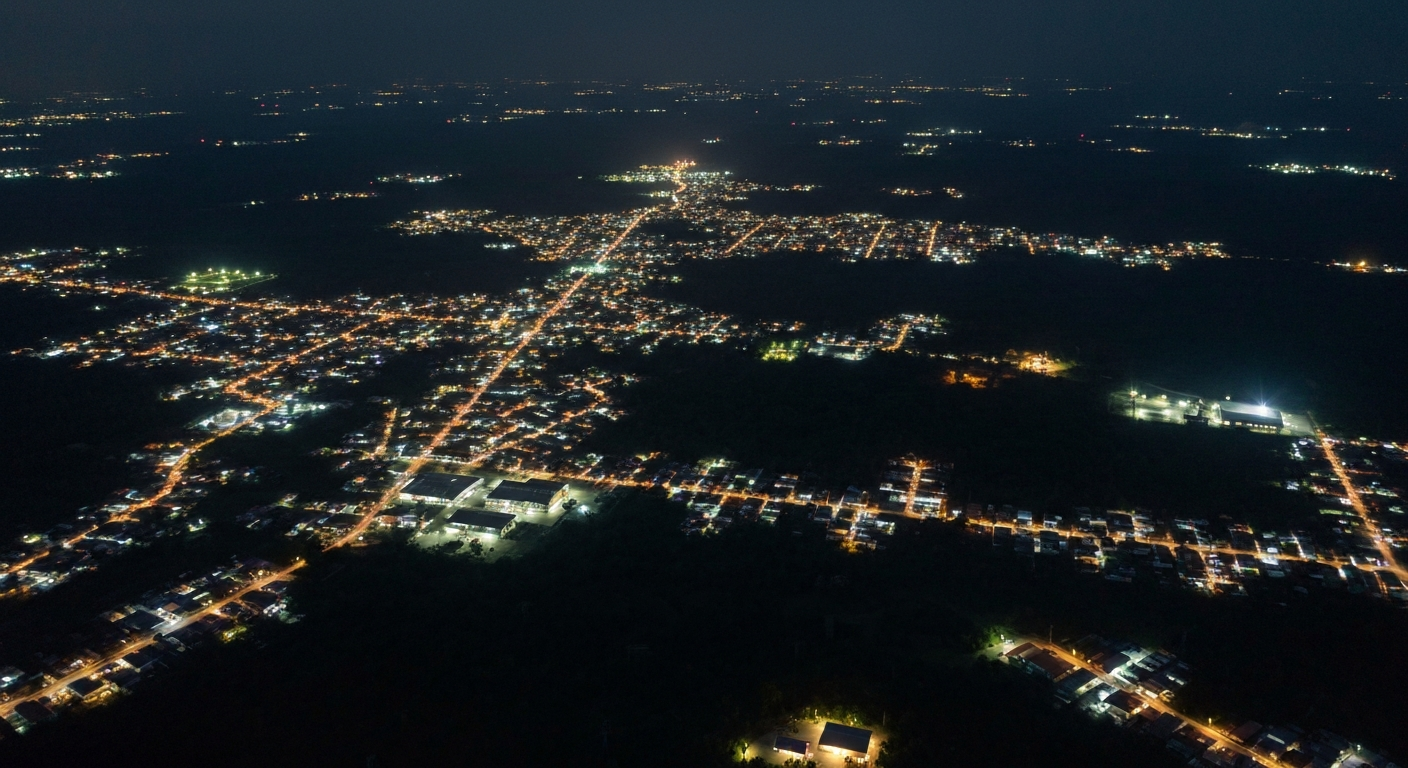
Puerto Rico has one of the least reliable electrical grids in the United States. This is not a matter of debate. It is a documented reality that affects families and businesses across all 78 municipalities every year, in storm years and non-storm years alike.
Understanding the history and frequency of Puerto Rico power outages helps homeowners make informed decisions about energy independence. If you know how often outages happen and how long they last, you can plan accordingly rather than being caught unprepared when the lights go out again.
The AEE Grid by the Numbers
Puerto Rico's electrical grid, operated by the Puerto Rico Electric Power Authority (AEE/PREPA), consistently ranks among the least reliable utility systems in the United States.
⚡ Pre-hurricane baseline (2015-2016):
Even before Hurricane Maria, Puerto Rico customers experienced an average of 24 hours of outage time per year, compared to the U.S. mainland average of approximately 4 to 8 hours per year. Puerto Rico residents were experiencing 3 to 6 times more outage hours than the average American even in non-hurricane years.
Post-hurricane reality (2017-present): After Hurricane Maria in 2017 and Hurricane Fiona in 2022, the grid's underlying fragility became impossible to ignore. Restoration times measured in months rather than hours or days exposed structural weaknesses that had been building for decades.
Current situation: Despite ongoing grid modernization efforts and the involvement of LUMA Energy as the transmission and distribution operator since 2021, Puerto Rico customers continue to experience outage frequency significantly above mainland averages. Equipment failures, transmission line issues, and generation capacity problems contribute to regular outages that have nothing to do with weather events.
A Timeline of Major Outages
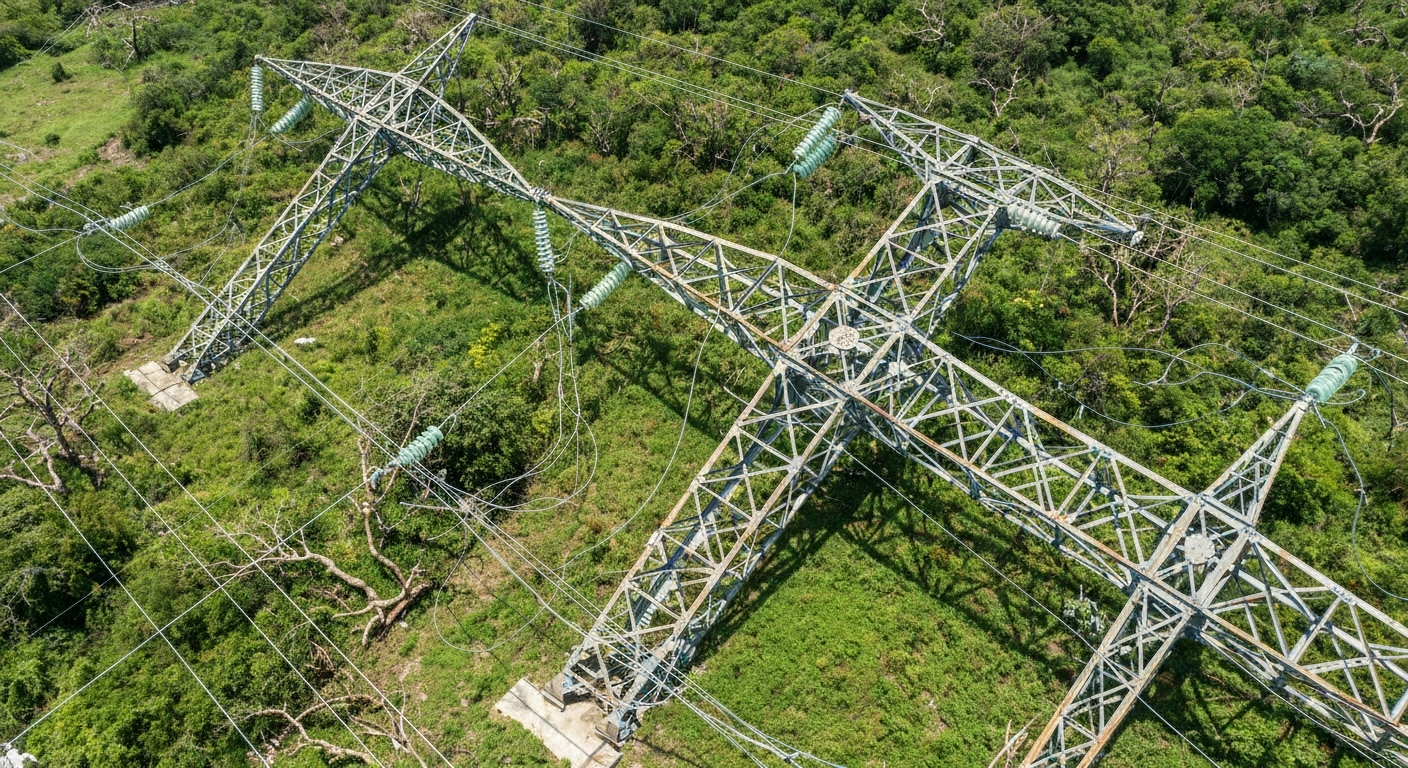
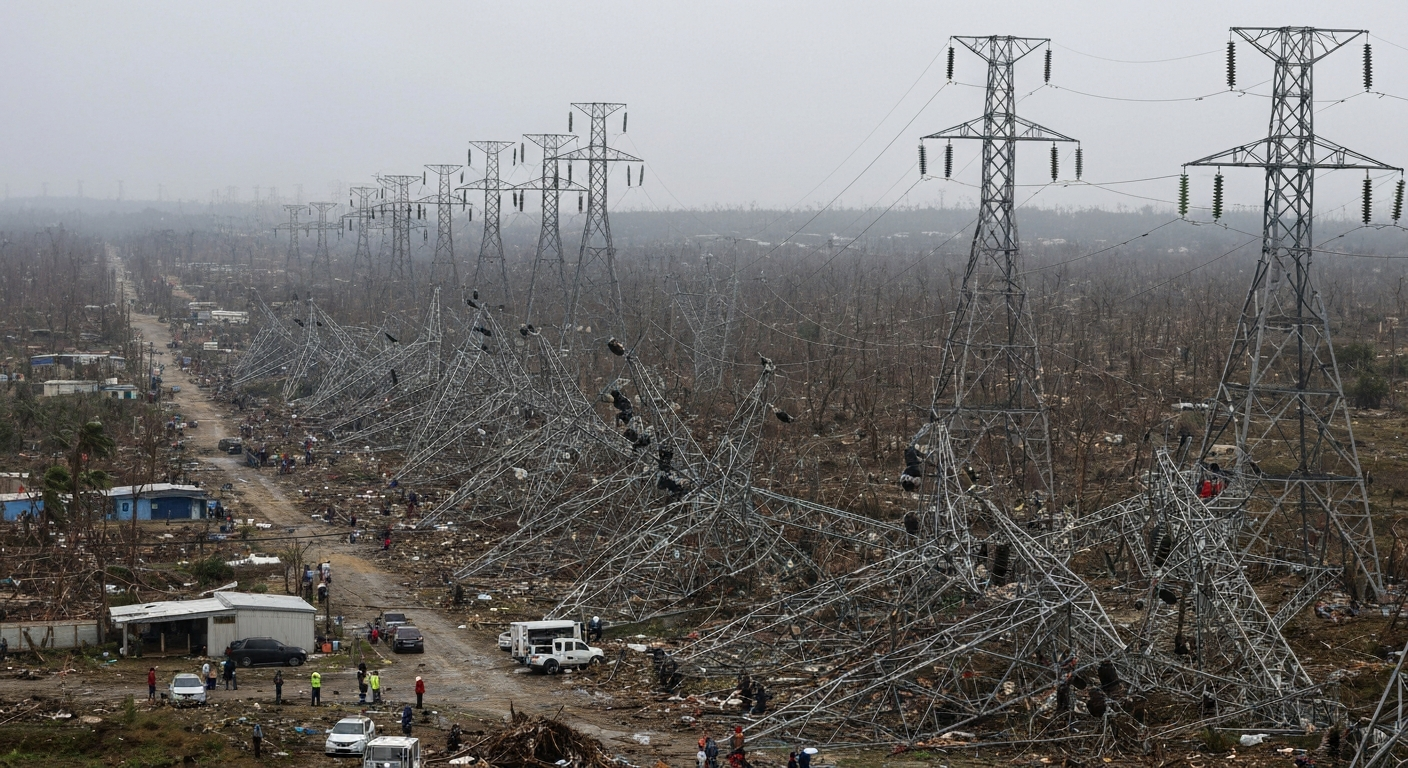
September 2017, Hurricane Maria: The most devastating blackout in U.S. history. Hurricane Maria made landfall on September 20, 2017, as a Category 4 storm and destroyed approximately 80% of Puerto Rico's transmission and distribution infrastructure. The result was a total island-wide blackout that lasted weeks for some customers and months for others. The last customers were not restored until August 2018, nearly 11 months after the storm. Approximately 3.4 million people lost power. An estimated 2,975 excess deaths were attributed to the prolonged outage and its aftermath.
January 2020, Earthquake Swarm: A series of earthquakes beginning in late December 2019 and peaking with a 6.4 magnitude quake on January 7, 2020, knocked the Costa Sur power plant offline and caused widespread outages across southern Puerto Rico. Some municipalities went without power for weeks. The earthquake swarm demonstrated that Puerto Rico's grid faces threats beyond hurricanes.
September 2022, Hurricane Fiona: Hurricane Fiona made landfall on September 18, 2022, and caused an island-wide blackout within hours of arrival. Unlike Maria, Fiona was a Category 1 storm at landfall, yet it caused complete grid failure. This underscored how fragile the grid remained five years after Maria despite reconstruction efforts. Full restoration took weeks for most customers.
2021-2024, LUMA Era Outages: Since LUMA Energy took over transmission and distribution operations in June 2021, Puerto Rico has continued to experience frequent non-weather outages attributed to aging equipment, vegetation management issues, and system instability. Customer complaints about outage frequency increased significantly in the years following LUMA's contract assumption.
Ready for Energy Independence?
Don't wait for the next major outage. Secure your family's comfort and safety today.
Call 787-641-8002Why Puerto Rico's Grid Fails So Often
- Infrastructure age: Much of Puerto Rico's electrical infrastructure was built in the 1960s and 1970s and has exceeded its designed service life. Transmission lines, substations, and generation equipment that should have been replaced decades ago continue in service because of deferred maintenance and capital investment shortfalls.
- Geographic vulnerability: Puerto Rico sits in the Atlantic hurricane belt. Every hurricane season from June 1 to November 30 brings potential threats. The island's mountainous terrain makes transmission line maintenance difficult and restoration after storms logistically complex.
- Generation concentration: Puerto Rico's electricity is generated at a small number of large plants, primarily in the south and west of the island, and transmitted long distances to the population centers in the north and east. This concentration creates single points of failure where damage to one plant or transmission corridor can affect large portions of the island.
- Financial constraints: AEE/PREPA has operated under severe financial constraints for years, including a bankruptcy process begun in 2017. Limited capital for infrastructure investment has deferred maintenance and upgrades that would improve reliability.
- Dependency on petroleum: Puerto Rico generates approximately 98% of its electricity from petroleum-based fuels, making it highly vulnerable to fuel supply disruptions and price volatility. The island has no domestic fuel production and relies entirely on imports.
What This Means for Puerto Rico Families
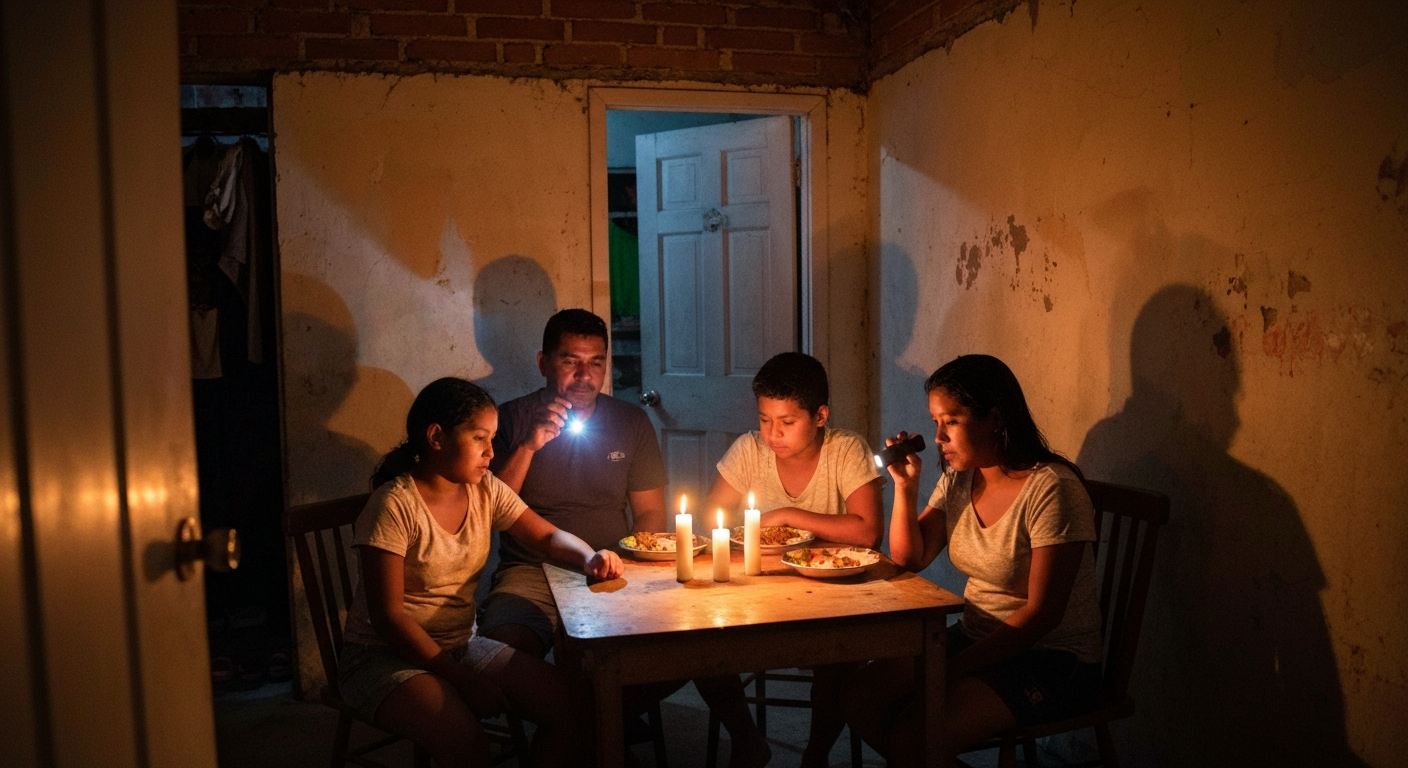
The practical impact of Puerto Rico's outage history on family life is significant and measurable.
Food security: A refrigerator maintains safe food temperature for approximately 4 hours without power. A freezer maintains safety for 24 to 48 hours if full. Extended outages cause food spoilage that costs the average Puerto Rico household $100 to $300 per event. At the frequency of outages Puerto Rico experiences, annual food losses from outages can reach $300 to $900 per household.
Medical needs: Residents who depend on powered medical equipment, refrigerated medications, or climate control for health conditions face serious risks during extended outages. Puerto Rico's elderly population is particularly vulnerable.
Work and education: The shift to remote work and online education during and after the pandemic increased the economic impact of outages. A home without power cannot support remote work or online schooling, creating productivity losses that compound over extended outage periods.
Safety: Homes without functioning alarm systems, emergency lighting, or communication capabilities during outages face increased safety risks.
The Propane Solution
Propane provides the most practical and cost-effective solution to Puerto Rico's outage problem for residential customers.
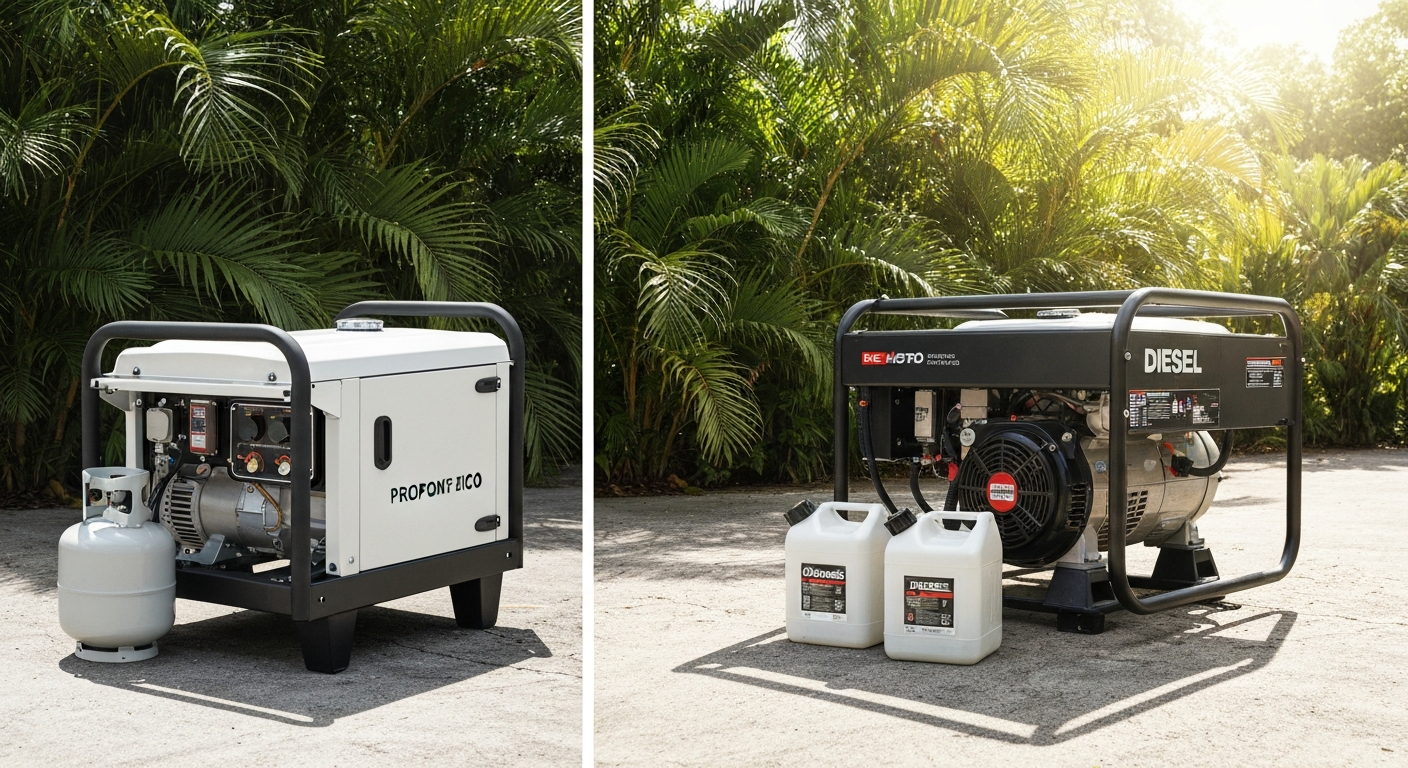
A properly sized propane system, including a backup generator fueled by a fixed propane tank, provides energy independence from the AEE grid for extended periods. Unlike battery backup systems that deplete within hours, a 500-gallon propane tank running a 20 kW generator provides approximately 7 days of continuous operation.
The sealed nature of propane storage means your fuel supply is completely unaffected by storm conditions. Your propane tank does not go offline when LUMA's equipment fails. It does not require fuel runs to a gasoline station when roads are blocked after a storm. It simply works, for as long as your tank has fuel.
Tropigas has supplied propane to Puerto Rico families and businesses throughout every major outage event of the past 60+ years, including Hurricane Maria and Hurricane Fiona. Our private Maritime Terminal in Guaynabo and network of 23 distribution plants across the island allow us to resume deliveries faster after major events than any other energy provider on the island.
Frequently Asked Questions
Ing. Rodolfo Leo Quiñones
Operations, Sales and Export Manager , Tropigas / Tropigas SXM
Expert in propane energy systems, NFPA compliance, and industrial gas logistics in Puerto Rico and the Caribbean.