Hurricane Maria made landfall in Puerto Rico on September 20, 2017. What followed was the longest blackout in U.S. history, an experience that changed how Puerto Rico families think about energy, resilience, and preparedness. The lessons from Maria are not historical curiosities. They are the most important data points available for planning your home's energy independence today.
What Happened , The Scale of the Maria Blackout
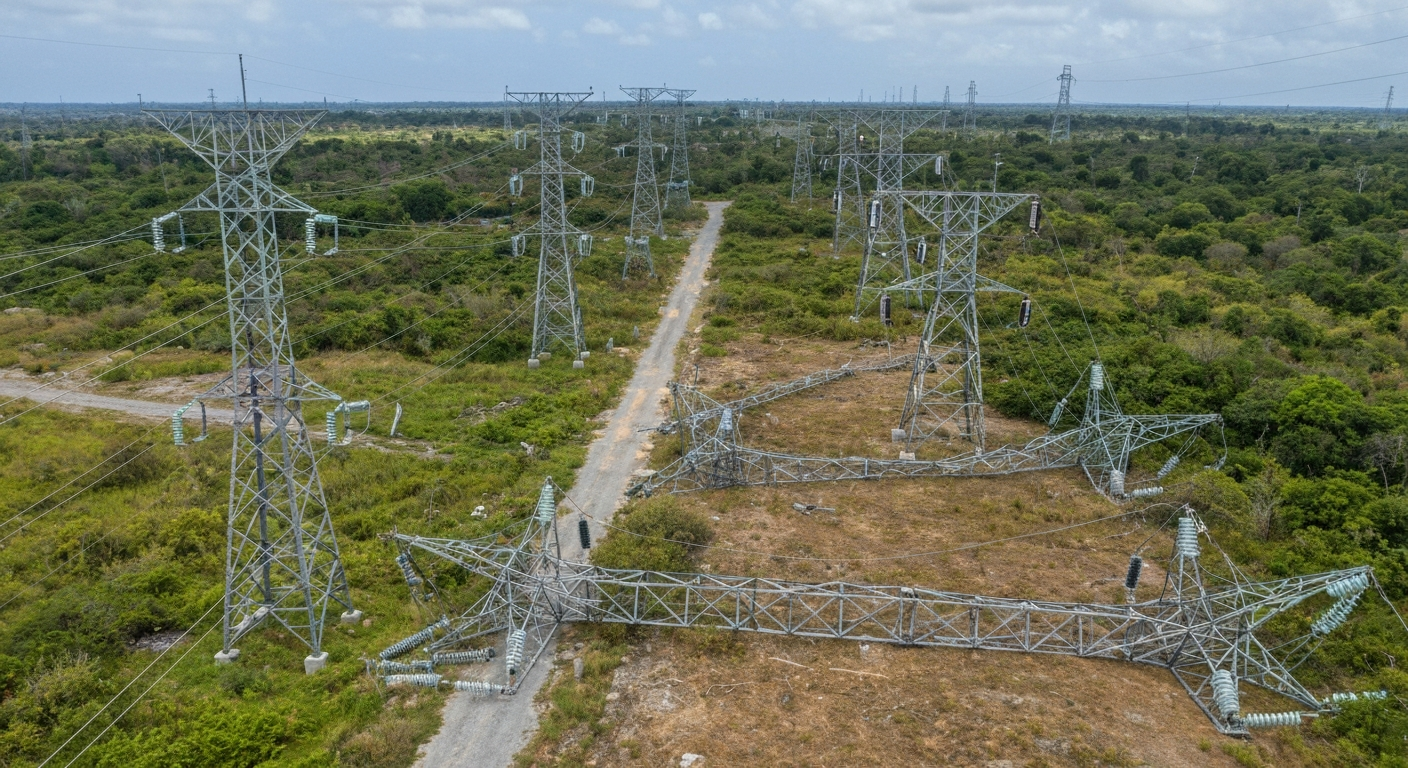
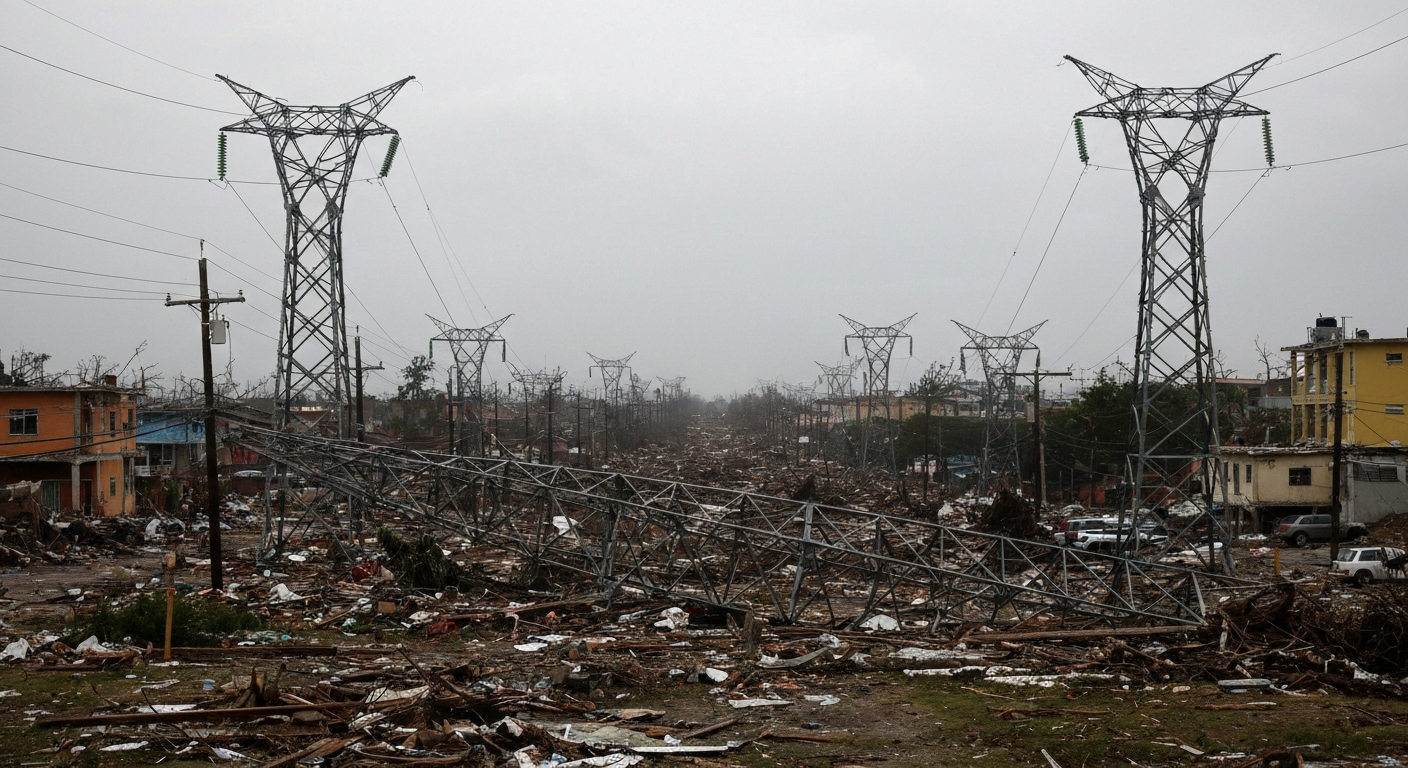
Hurricane Maria destroyed approximately 80% of Puerto Rico's electrical transmission and distribution infrastructure in a single night. The entire island lost power simultaneously. The scale of destruction was unprecedented in U.S. history.
Key facts about the Maria blackout:
- 3.4 million people lost power on September 20, 2017.
- The last customers were not restored until August 2018, nearly 11 months later.
- The median restoration time across the island was approximately 84 days.
- An estimated 2,975 excess deaths were attributed to the prolonged blackout and its aftermath.
- The total economic cost of the blackout exceeded $90 billion.
Lesson 1 , The Grid Cannot Be Relied Upon for Extended Periods
The most fundamental lesson of Maria is that Puerto Rico's electrical grid cannot be relied upon as a primary energy source during major storm events. The grid failed completely and remained failed for months. No individual homeowner could control or accelerate grid restoration.
Families who had invested in energy independence before Maria, propane generators, propane cooking, propane water heating, were dramatically better positioned than those who depended entirely on the AEE grid. This was not about wealth or privilege. It was about having made a specific decision to invest in systems that function independently of the grid.
Lesson 2 , Battery Storage Alone Is Not Enough
Some Puerto Rico homeowners had invested in solar panels with battery storage before Maria. These systems provided meaningful benefit in the days immediately following the storm. But batteries depleted within 24 to 48 hours of continuous use, and solar recharging was limited during the cloudy, rainy conditions that followed the storm.
Families who had solar plus battery discovered that their systems could not sustain them through a 2-month, 6-month, or 11-month outage. Battery storage is a valuable complement to a complete energy independence strategy, but it is not sufficient on its own for Puerto Rico's post-hurricane outage reality.
Lesson 3 , Propane Was the Most Reliable Post-Maria Energy Source
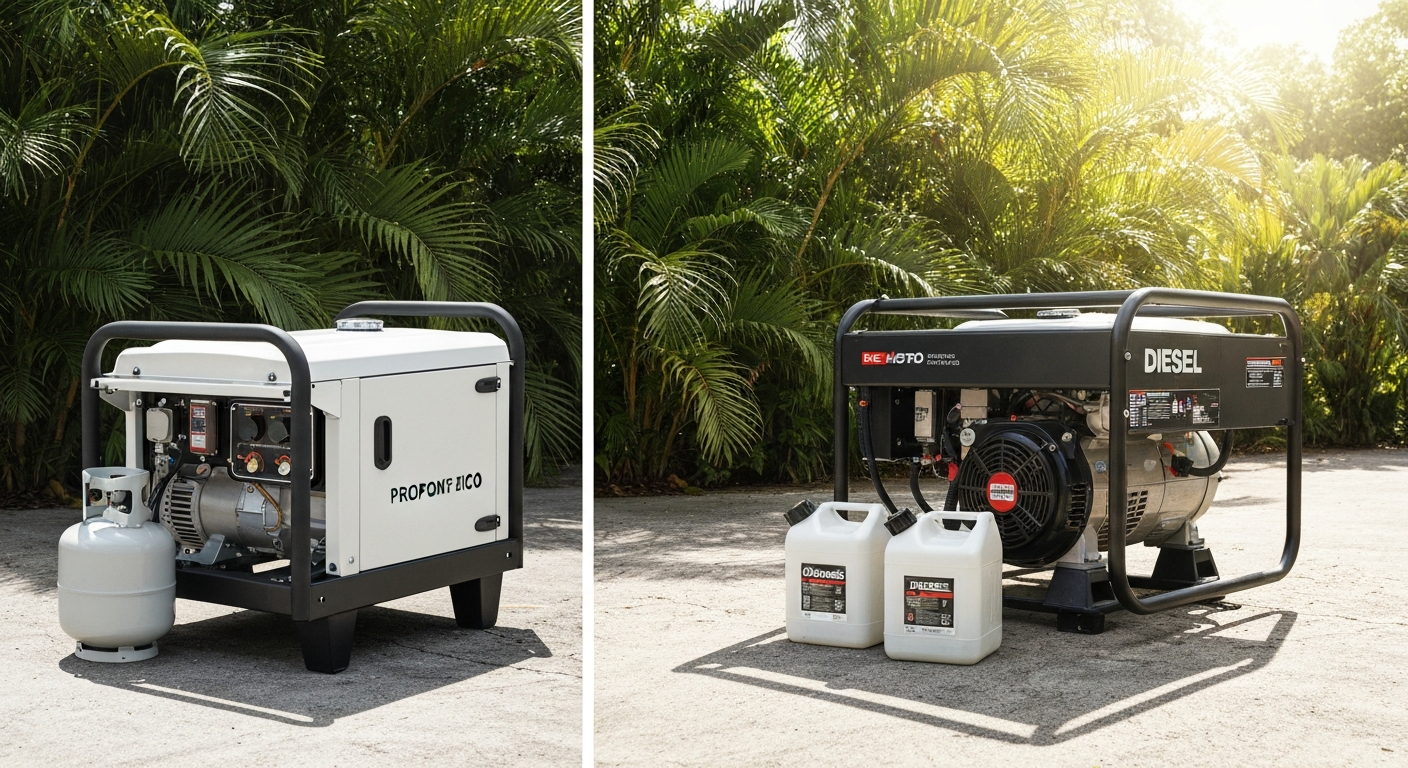
Families with propane systems, and specifically propane generators with fixed tanks, maintained the most reliable energy access in the weeks and months after Maria.
Propane's advantages in the Maria aftermath:
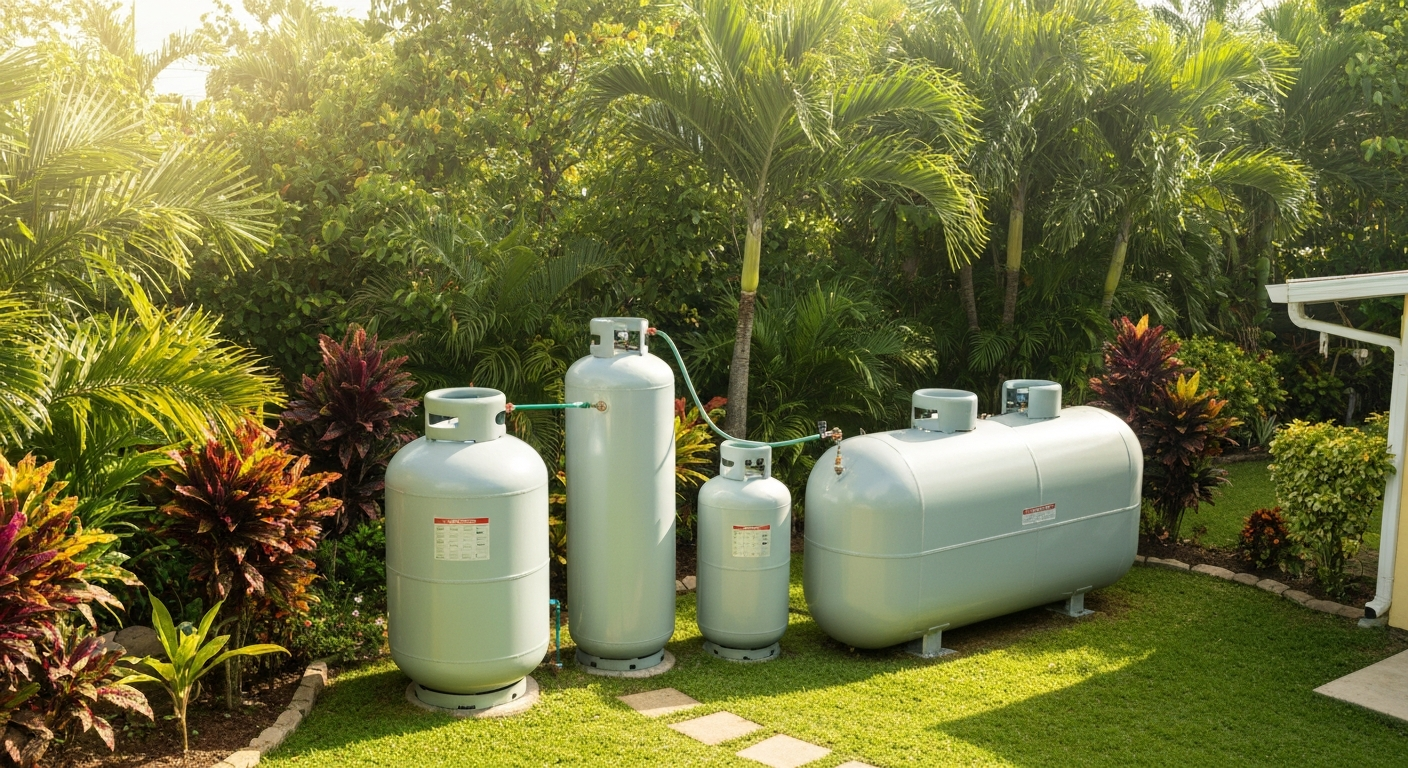
- Propane tanks survived the storm intact and sealed.
- No fuel degradation occurred.
- Propane could not be contaminated by flooding.
- Tropigas resumed deliveries significantly faster than AEE restored electrical service.
- Families with 500-gallon tanks had 7 days or more of generator operation immediately after the storm, covering the most critical immediate post-storm period.
- Emergency propane deliveries were available as roads became passable.
¿Listo para asegurar tu independencia energética?
Llama al 787-641-8002 para instalar un sistema de propano confiable.
Lesson 4 , The Supply Chain Matters
After Maria, gasoline supply chains collapsed. Gas stations lost power and could not pump fuel. Fuel delivery trucks could not navigate damaged roads. Families with portable gasoline generators discovered that gasoline was essentially unavailable in the critical first days and weeks after the storm.
Propane supply chains proved more resilient. Tropigas's private Maritime Terminal in Guaynabo and network of distribution plants across the island allowed propane deliveries to resume faster than gasoline supply chains recovered. Fixed propane tanks with fuel already stored on-site were entirely immune to supply chain disruption during the immediate post-storm period.
Lesson 5 , The Importance of Tank Size
After Maria, the difference between a 120-gallon propane tank and a 500-gallon tank was the difference between days and weeks of independence. Families who had invested in larger tanks had meaningfully longer autonomous operation before needing a delivery.
The post-Maria lesson: for hurricane preparedness purposes, size your propane tank for the worst case you can reasonably afford, not the average case. A 500-gallon tank costs more upfront than a 250-gallon tank, but the difference in outage coverage is significant.
Lesson 6 , Propane Cooking and Water Heating Mattered as Much as Electricity
During Maria's extended blackout, families with propane stoves and propane water heaters maintained two of the most important daily life functions independent of the grid. Hot meals and hot showers are not luxuries during an extended disaster. They are critical for morale, health, and the ability to sustain normal family functioning during an extremely difficult period.
Families with electric-only stoves and water heaters lost these functions the moment the grid went down and did not recover them for weeks or months.
Applying the Maria Lessons Today
The specific actions Maria's lessons point to for Puerto Rico homeowners:
- Install a fixed propane tank system, minimum 500 gallons, for generator fuel.
- Add propane cooking and water heating to eliminate AEE dependence for daily life functions.
- Size for the worst case, not the average case.
- Fill your tank to maximum before every hurricane season.
- Have Tropigas's emergency number, 787-641-8002, available and call as soon as roads are passable after any major storm.
Frequently Asked Questions
Ing. Rodolfo Leo Quiñones
Operations, Sales and Export Manager , Tropigas / Tropigas SXM
Expert in propane energy systems, NFPA compliance, and industrial gas logistics in Puerto Rico and the Caribbean.