If you smell gas or suspect a propane leak right now, your safety comes first. This page gives you the immediate safety steps, the emergency numbers available 24 hours, and how to contact Tropigas.
⚠️ Warning: If you smell strong gas, hear a hissing escape, or see fire, do NOT wait. Evacuate everyone and pets immediately, do NOT touch electrical switches, and from outside call 911 or the fire department. An active gas emergency is for emergency services, right now, no matter the hour.
Emergency Numbers, in Order of Priority
- 1Active emergency (leak, fire, strong smell): 911 or fire department. Always first. Call from outside, already evacuated.
- 224-hour emergency response line (CHEMTREC): 1-800-424-9300. Available 24 hours, every day, and covers Puerto Rico. It is a hazardous materials incident response line. If you call about an incident involving Tropigas propane, the reference account number is CCN692055.
- 3Tropigas, service and inspections: 787-641-8002, Monday to Friday from 8:00 AM to 5:00 PM. For refills, safety inspections, and situations that are not an active emergency.
⚡ Key Fact: The number 1-800-424-9300 (CHEMTREC) is available 24 hours and covers Puerto Rico. It is a hazardous materials emergency response line. For an active leak in your home, your first call should always be 911 or the fire department after evacuating. CHEMTREC and Tropigas are additional resources, they do not replace emergency services.
What to Do if You Smell Propane Gas
Follow these steps in order:
- 1Evacuate the area immediately. Get all people and pets out of the building.
- 2Do NOT touch electrical switches. A spark can ignite the gas. Do not turn lights on or off, do not use your phone inside, do not start the car in the garage.
- 3Do NOT use flames or matches. No candles, stoves, or lighters.
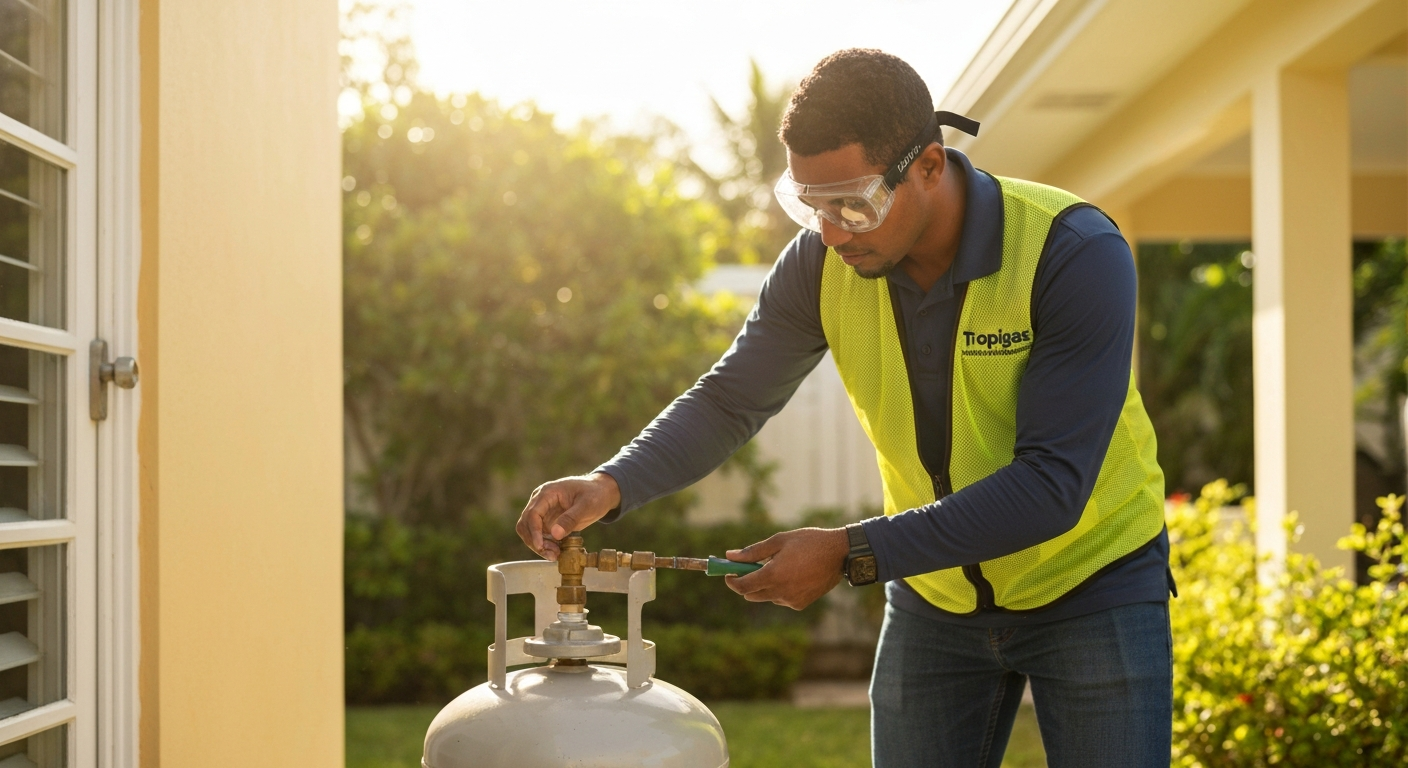
- 4If you can do it safely, close the tank valve. Only if it is accessible and you can reach it without risk.
- 5From a safe place far away, call 911 or the fire department.
- 6Do not return to the building until a professional confirms it is safe.
⚡ Key Fact: Propane gas is heavier than air, so it accumulates in low areas like basements, floors, and sunken spaces. If you smell gas, the danger may be greater near the ground. That is why it is critical to evacuate and not create any spark.
How to Recognize a Propane Leak
Propane is naturally odorless, so an odorant is added that smells like rotten eggs or sulfur. Signs of a possible leak:
- A rotten egg or sulfur smell
- A hissing or blowing sound near the tank or lines
- Dead or discolored vegetation near the buried gas line
- Bubbles in standing water near the gas system
- A pilot flame that will not stay lit
Need a safety inspection of your propane system?
Call 787-641-8002After a Gas Emergency
Once emergency services confirm the area is safe:
- Do not use the gas system again until a certified technician inspects it
- Contact Tropigas at 787-641-8002 to schedule a safety inspection
- Do not attempt to repair lines or connections yourself
- Document any visible damage for the inspection
Emergency Prevention
The best emergency is the one that never happens:
- Schedule regular safety inspections with Tropigas
- Install propane gas and carbon monoxide detectors
- Know the location of your tank's shutoff valve
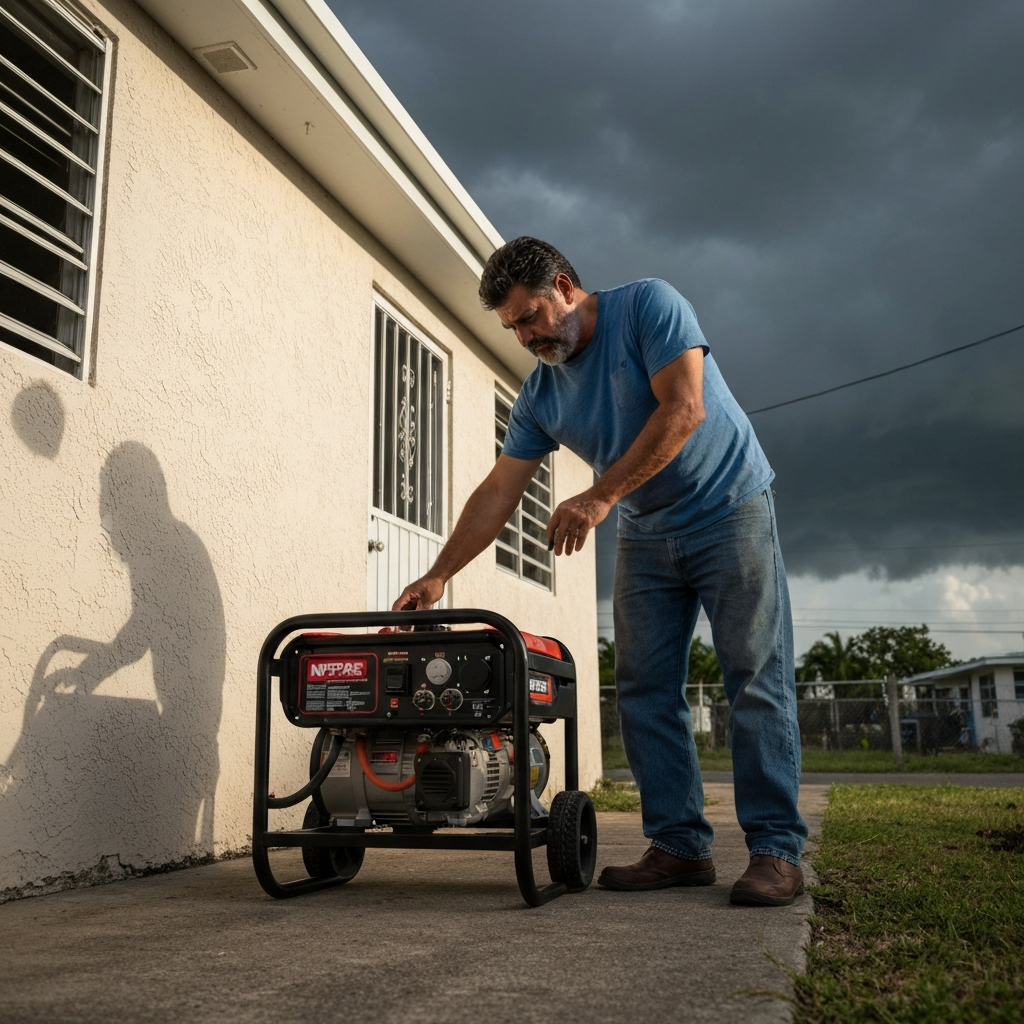
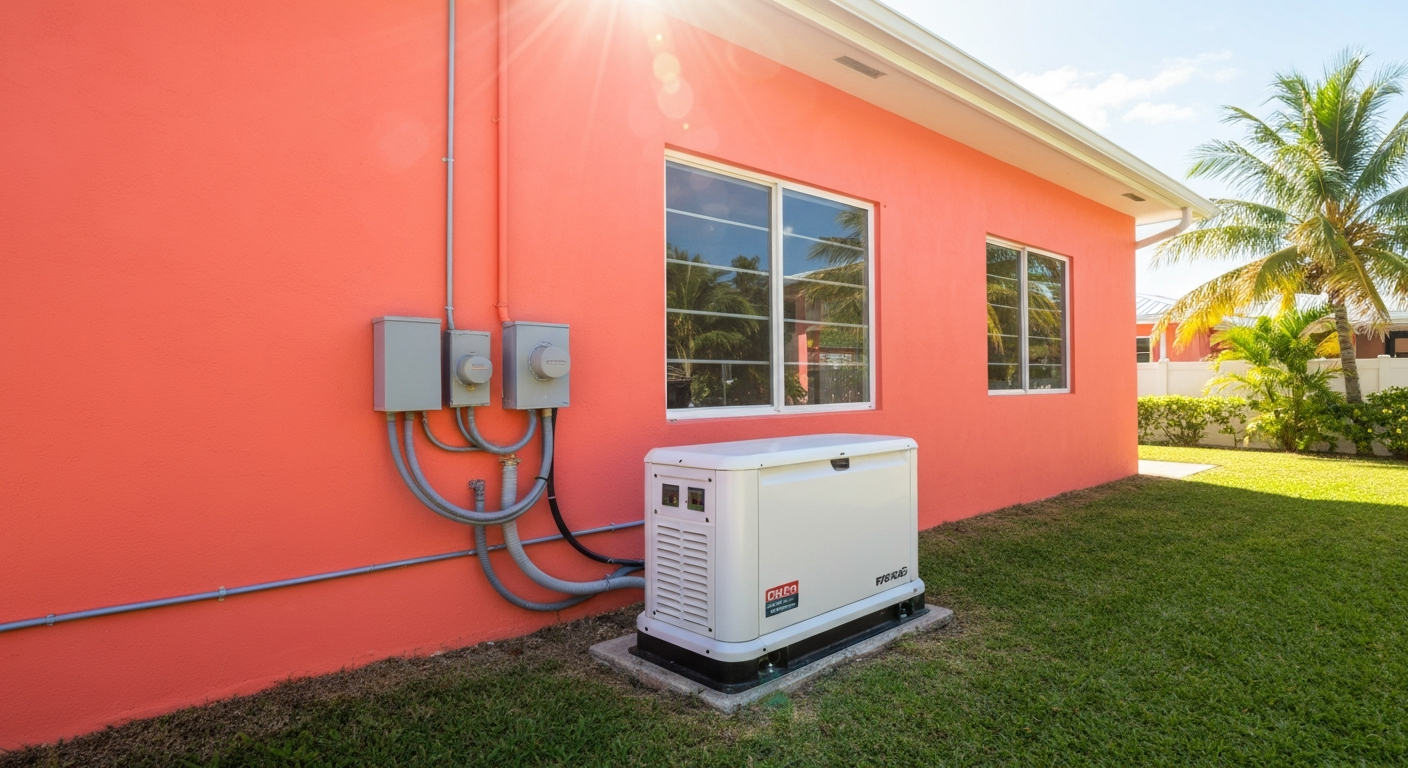
- Keep the area around the tank and generator clear
- Never use gas equipment in enclosed spaces without ventilation
✓ Recommendation: Save these numbers in your phone now, before you need them: 911 for active emergencies, 1-800-424-9300 (CHEMTREC, 24 hours) for hazardous materials incidents, and 787-641-8002 for Tropigas service. In a real emergency you will not want to be searching for them.
Keep your home safe
For service and safety inspections, call Tropigas at 787-641-8002 or visit tropigaspr.com/contacto. For an active gas emergency, evacuate and call 911 or the fire department immediately.
Call 787-641-8002Frequently Asked Questions

Ing. Rodolfo Leo Quiñones
Operations, Sales and Export Manager, Tropigas / Tropigas SXM
Expert in propane energy systems, NFPA compliance, and industrial gas logistics in Puerto Rico and the Caribbean.