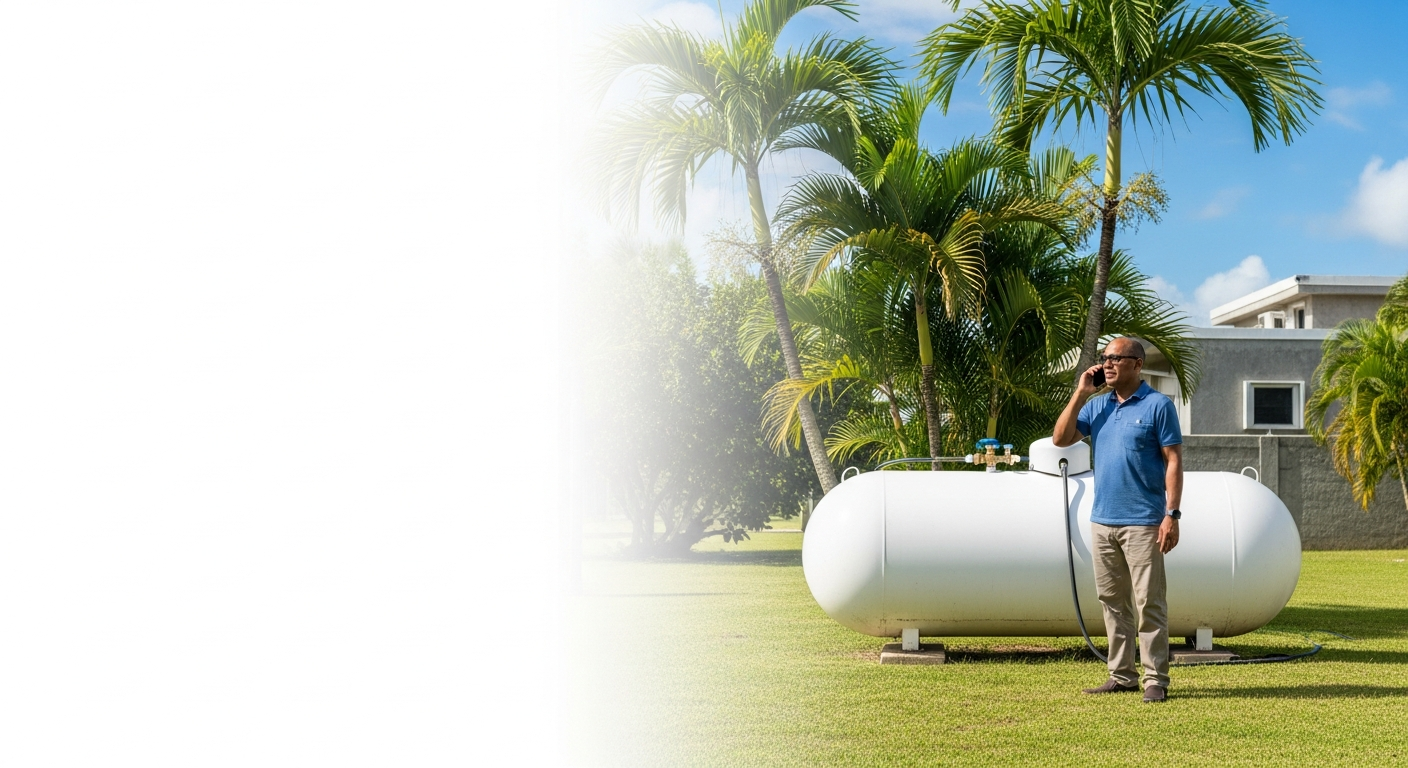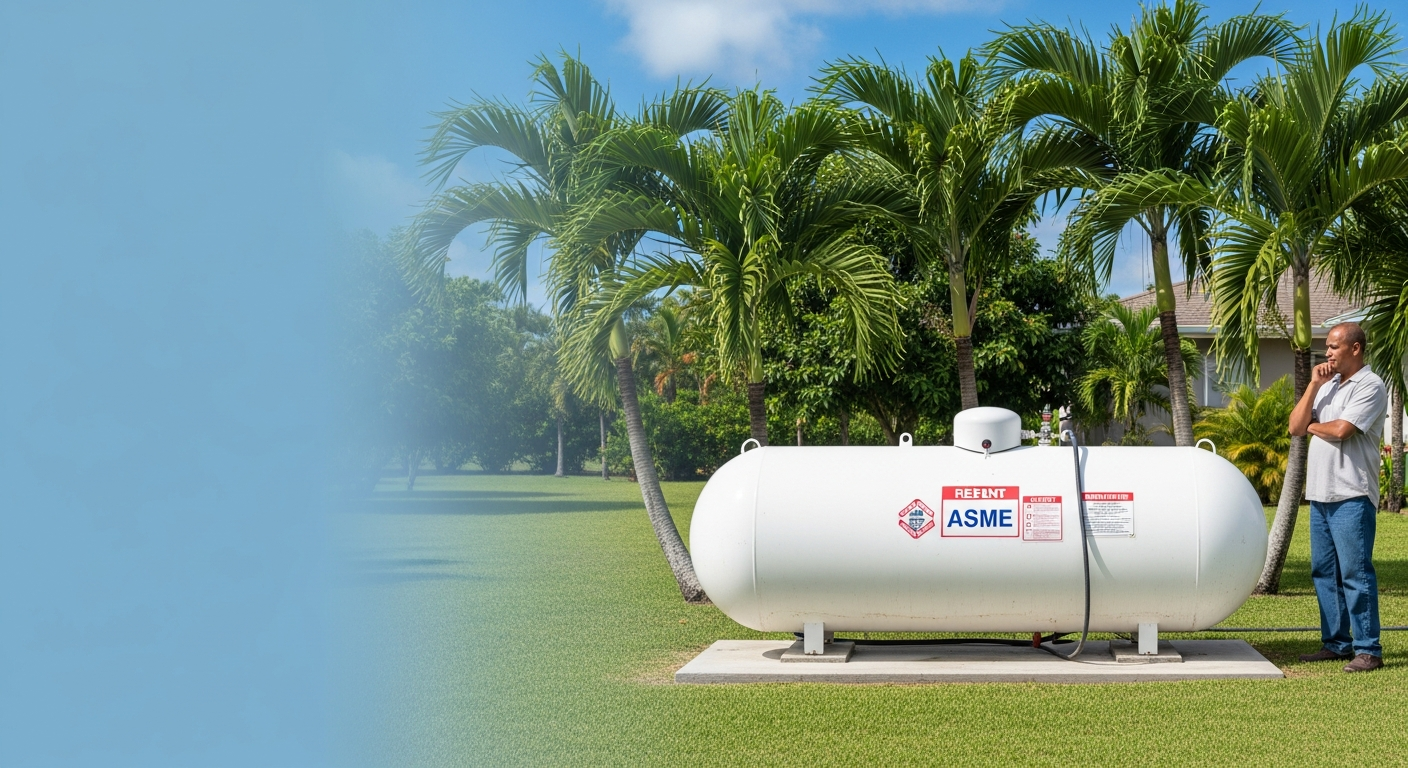
How do you prevent propane fires in Puerto Rico, and what should you do if a fire involves your propane system? Propane is a safe fuel when properly installed and maintained, but like any flammable fuel, it requires specific fire safety practices to prevent accidents. Understanding the fire risks associated with propane, the preventive measures that eliminate most risk, and the correct response when fire occurs near propane equipment protects your family, your property, and your community.
For propane fire safety guidance in Puerto Rico, call Tropigas at 787-641-8002.
How Propane Fires Start
Propane fires typically occur when three conditions are met simultaneously: a source of propane gas, an ignition source, and adequate oxygen for combustion. Most propane fires result from preventable situations including a gas leak near an ignition source such as a stove, water heater pilot light, or electrical switch, a propane tank or cylinder placed too close to a heat source or open flame, improper appliance installation that allows gas to escape, or malfunctioning equipment that produces a leak. Understanding these causes makes most propane fires preventable with proper installation, maintenance, and habits.
Call 787-641-8002 for a safety inspection of your propane system.
Fire Prevention Through Proper Installation
The most effective fire prevention measure for propane is code-compliant installation from the start. NFPA 58 clearance requirements for tank placement from buildings and ignition sources exist precisely to create distance between stored propane and potential fire sources. A tank installed 10 feet or more from any building opening with no gas line going directly to a wall, a properly sized and functioning regulator, and gas lines installed through certified technicians represent the minimum standard for fire-safe propane installation.
Call 787-641-8002 for a code-compliant installation or inspection.
Fire Safety Rules for Propane Users
Several fire safety rules apply to every propane user in Puerto Rico. Never store flammable materials near a propane tank or cylinder. Keep the area around your tank clear of vegetation, debris, and combustibles. Never use open flames or smoking materials near propane equipment. Never use propane appliances in enclosed spaces without adequate ventilation. Have all propane appliances professionally serviced annually to prevent equipment malfunction. Know the location of your main shutoff valve but only operate it when safe and instructed to do so.
Call 787-641-8002 for annual safety service.
What to Do If Fire Occurs Near Propane Equipment
If a fire occurs near your propane tank or appliances, follow this protocol without deviation. Leave the area immediately without stopping to collect belongings. Do not attempt to fight a fire involving or near a propane tank yourself. Once safely away from the area, call 911 immediately. After calling 911, call Tropigas at 787-641-8002. Do not re-enter the area under any circumstances until emergency responders have declared it safe.
Propane tanks involved in fires must be professionally inspected before being returned to service. Call 787-641-8002 after any fire event near your propane equipment.
Fire Extinguishers and Propane
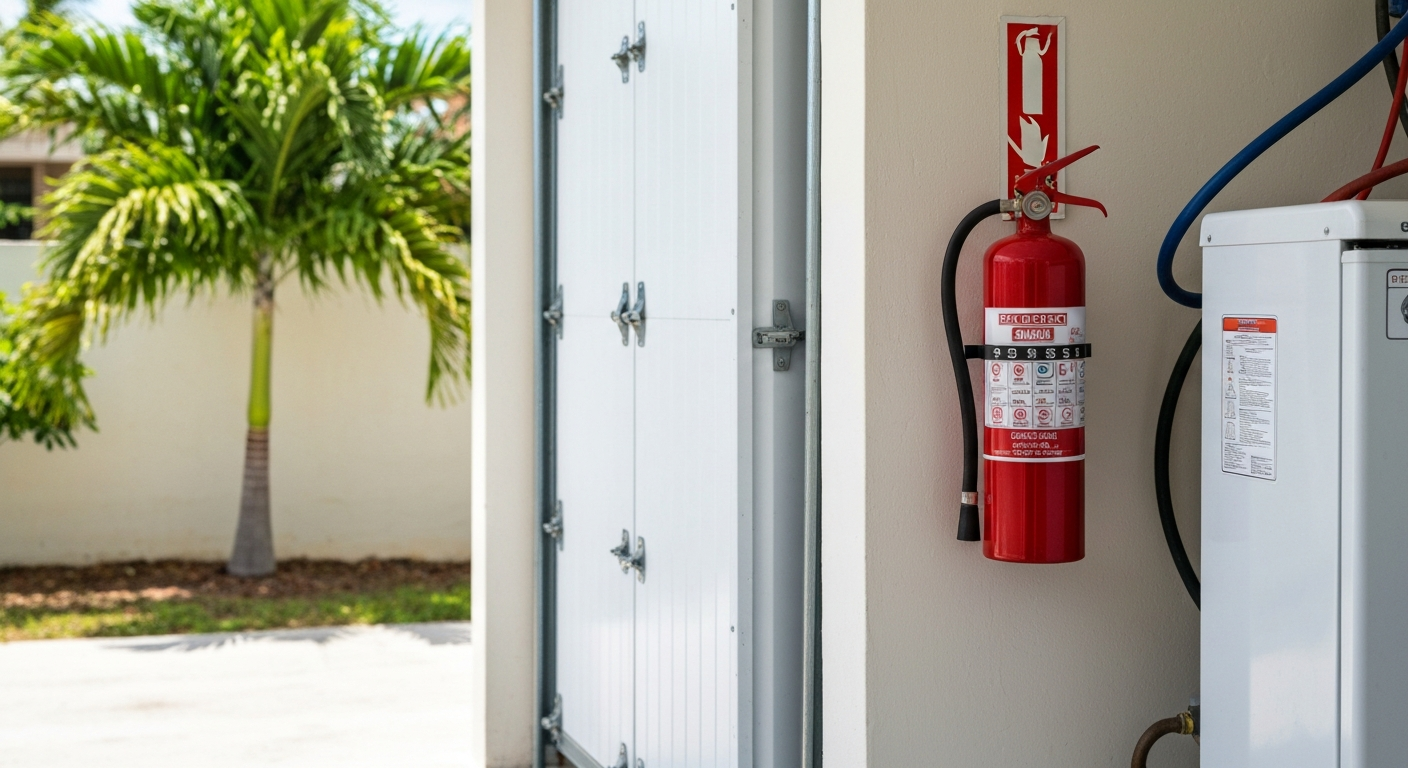
Having a properly rated fire extinguisher accessible near propane appliances provides a first-response option for very small, early-stage fires that do not involve the tank itself. For propane appliance areas, a Class B fire extinguisher, rated for flammable liquid and gas fires, is the appropriate type. However, fire extinguishers are only appropriate for very small contained fires. If a fire involves the propane tank or gas lines, evacuate immediately and call 911 rather than attempting to use an extinguisher.
Call 787-641-8002 for guidance on fire safety equipment for propane installations.
Annual Inspection as Fire Prevention
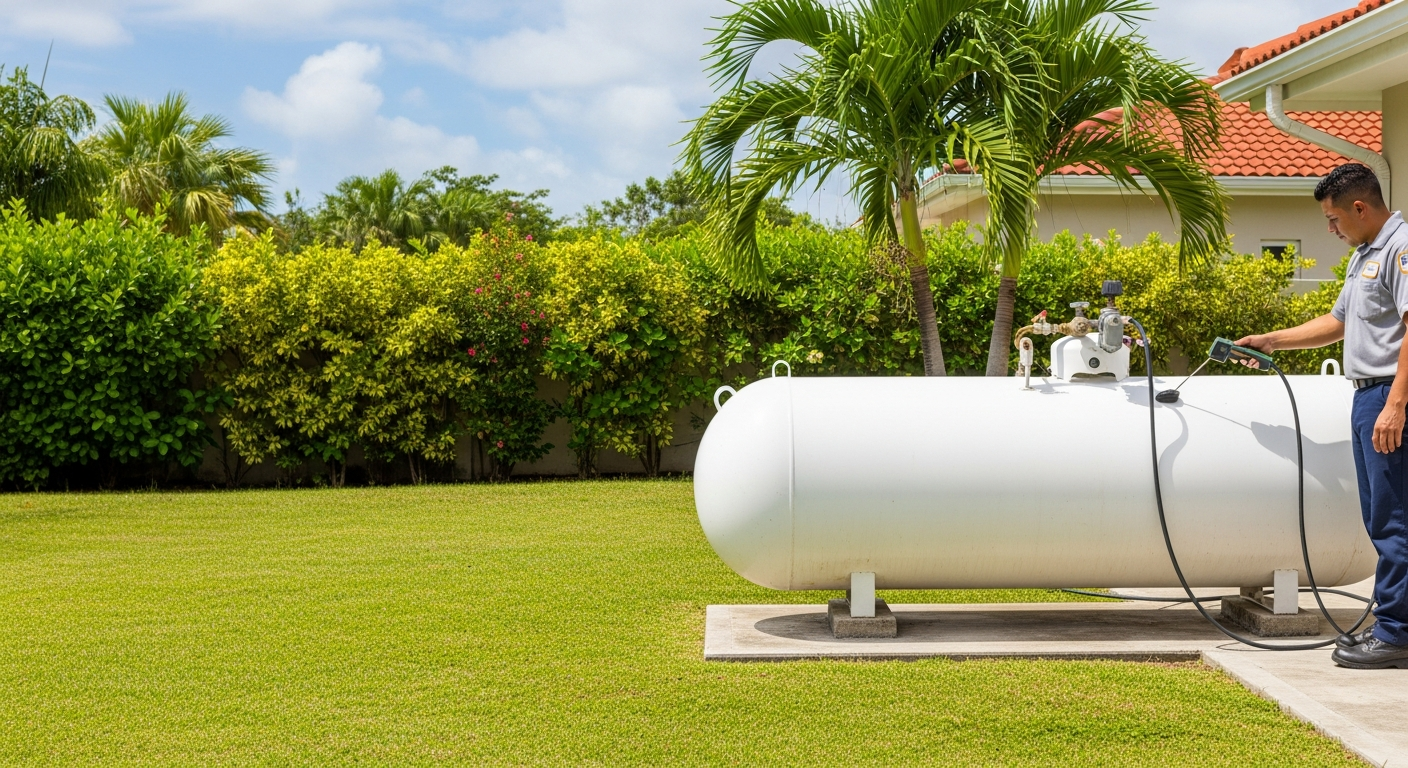
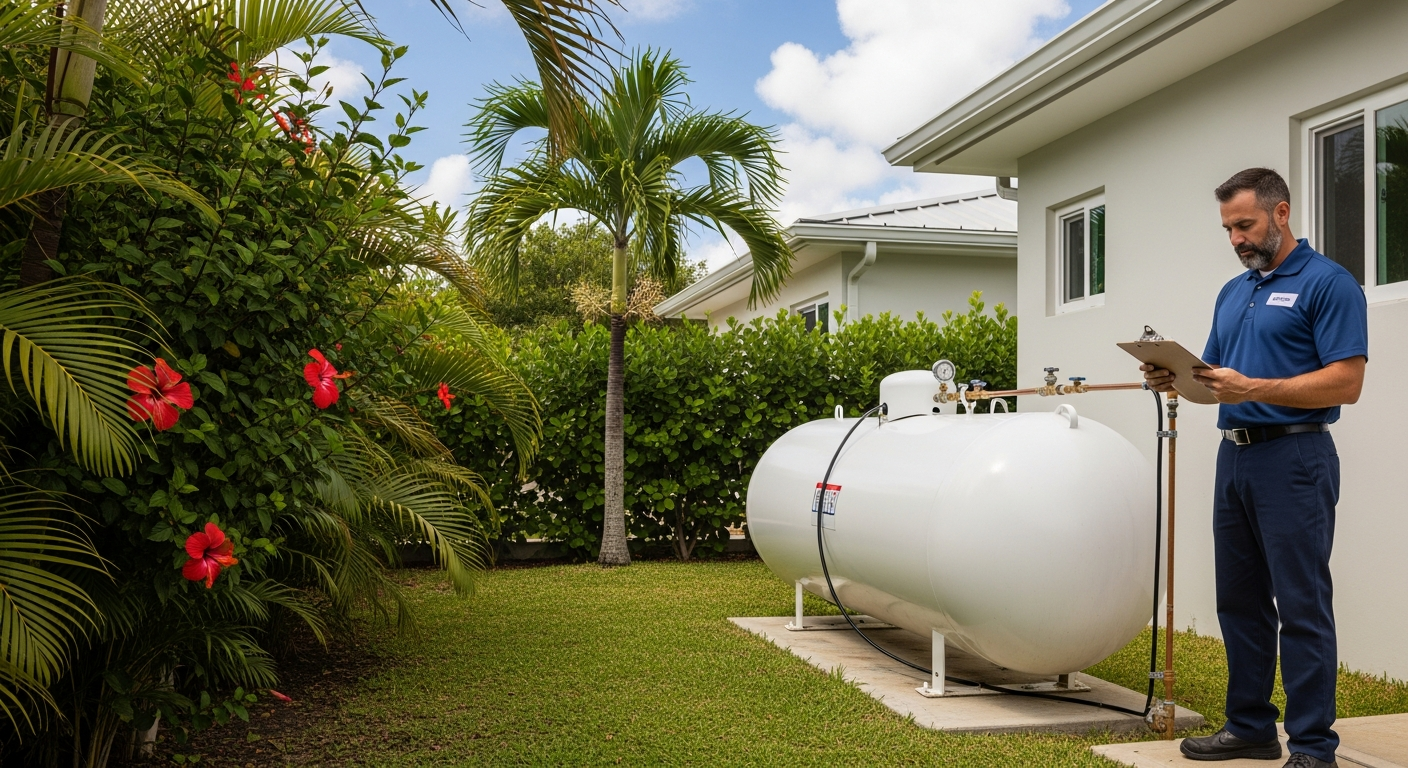
Annual professional inspection of your propane system is one of the most effective fire prevention measures available. Tropigas certified technicians inspect for worn or damaged gas lines that could develop leaks, regulator condition and proper pressure settings, valve integrity at the tank and appliance connections, propane appliance burner condition and combustion quality, and overall installation compliance with current NFPA 58 and Puerto Rico Fuel Gas Code 2018 standards.
Schedule your annual inspection before it becomes an emergency. Call 787-641-8002.
Frequently Asked Questions
Ing. Rodolfo Leo Quiñones
Gerente de Operaciones, Ventas y Exportaciones
Expert in propane energy systems, NFPA compliance, and industrial gas logistics in Puerto Rico and the Caribbean.