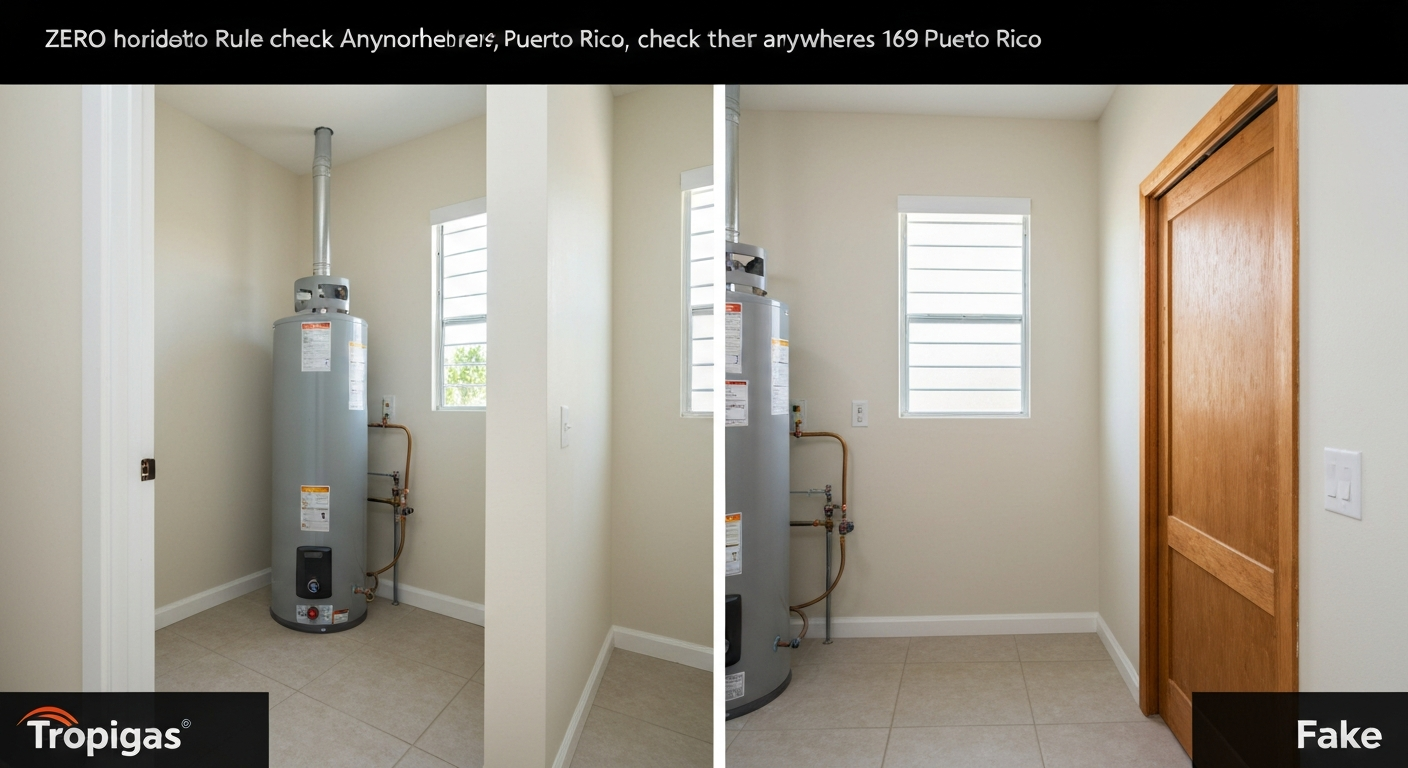
What are the ventilation requirements for propane appliances in Puerto Rico, and why does proper ventilation matter for safety? Every propane appliance that burns fuel needs an adequate supply of combustion air and a proper way to remove combustion byproducts from the space. When ventilation is inadequate, propane appliances can produce carbon monoxide, operate inefficiently, or fail entirely. This guide explains propane ventilation requirements for Puerto Rico homes and businesses under NFPA 54 and the Puerto Rico Fuel Gas Code 2018.
For propane ventilation guidance in Puerto Rico, call Tropigas at 787-641-8002.
Why Propane Appliances Need Ventilation
Propane combustion requires two things: fuel and oxygen. When a propane appliance burns, it consumes oxygen from the surrounding air and produces combustion byproducts including water vapor, carbon dioxide, and potentially carbon monoxide if combustion is incomplete. Without adequate ventilation, three problems occur: the oxygen supply depletes causing incomplete combustion and CO production, the combustion byproducts including CO accumulate in the space, and appliance performance degrades as oxygen becomes limited.
Proper ventilation prevents all three problems. Call 787-641-8002 for appliance ventilation assessment.
Types of Propane Appliance Venting
Propane appliances use different venting configurations depending on their type and design. Natural draft venting uses a flue pipe and chimney effect to draw combustion gases upward and out of the building, common in older water heaters and furnaces. Power vent systems use a fan to force combustion gases out through a horizontal or vertical vent pipe, common in modern water heaters. Direct vent systems draw combustion air from outside and exhaust gases outside through a sealed two-pipe system, the most efficient and safest option for enclosed spaces. Unvented or ventfree appliances are designed to burn so cleanly that they meet standards for indoor use without a flue, but require adequate room air volume and are not recommended for sleeping areas.
Call 787-641-8002 to assess your current venting configuration.
Combustion Air Requirements
In addition to exhaust venting, propane appliances need adequate combustion air supply, the fresh air that the burner draws in to support combustion. NFPA 54 establishes minimum space volumes and air supply requirements based on total appliance BTU input in the space. If multiple propane appliances are in the same utility room or space, the total BTU demand must be considered when calculating combustion air needs. Tight modern construction in Puerto Rico can restrict natural air infiltration, making intentional combustion air supply more important.
Call 787-641-8002 for a combustion air assessment for your appliance installation.
Ventilation for Specific Propane Appliances
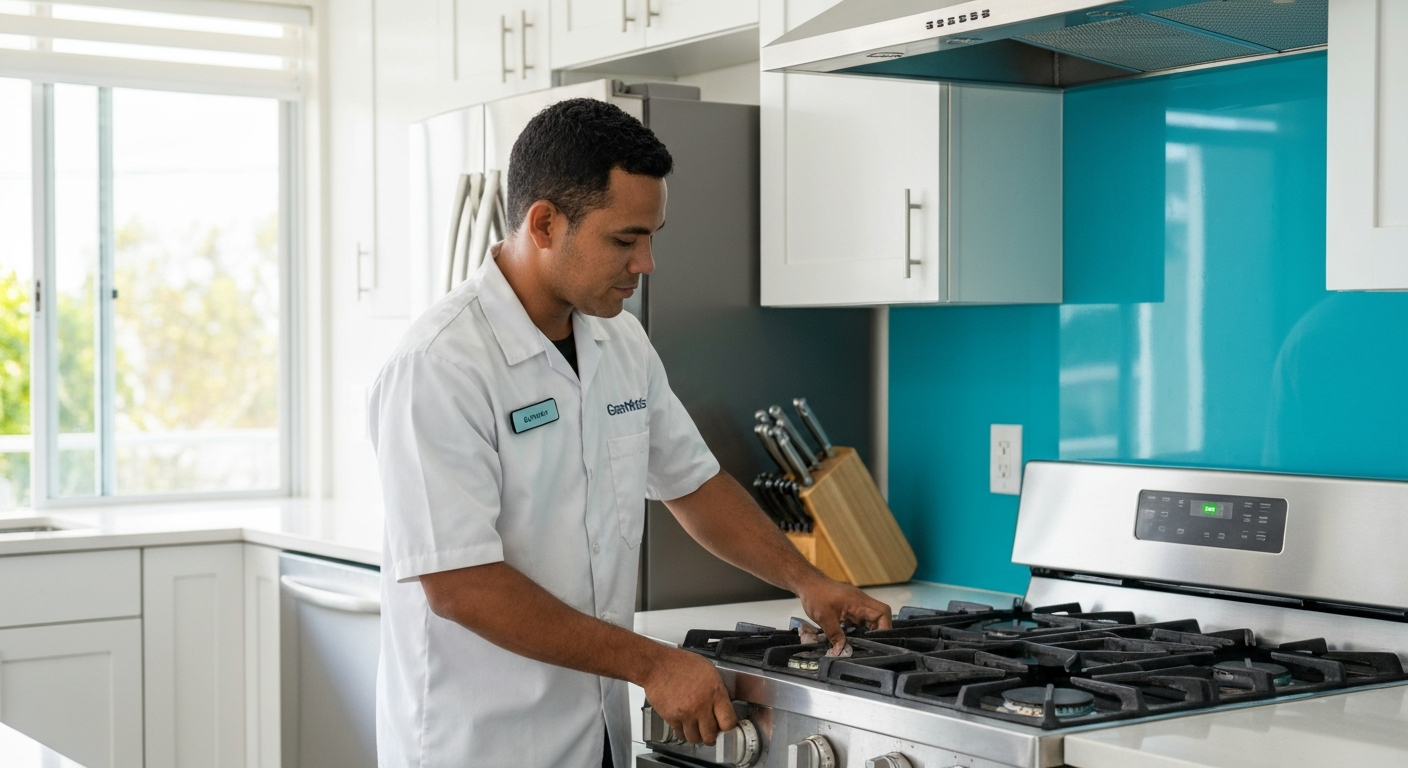
Different propane appliances have specific ventilation requirements. Water heaters must be vented to the outside with properly sized flue pipes and adequate draft or power vent fans. Gas ranges and cooktops are typically unvented appliances but require adequate kitchen ventilation through range hoods or open windows. Propane dryers must be vented to the outside through dedicated dryer vent ducts that exhaust completely to the exterior. Propane space heaters in enclosed spaces require either a dedicated flue or must be specifically rated as ventfree for the space volume. Propane generators must always be operated outdoors and are never permitted indoors under any circumstances.
Call 787-641-8002 for appliance-specific ventilation guidance.
Signs of Inadequate Ventilation
Several signs indicate that a propane appliance installation may have inadequate ventilation. Headaches, dizziness, or nausea that improve when you leave the area near an appliance may indicate CO accumulation. Soot or black marks near appliance vents or on walls indicate incomplete combustion. Appliances that frequently extinguish their pilot lights or have weak or yellow flames instead of blue flames may be operating with insufficient combustion air. High humidity or condensation inside the building near appliances may indicate combustion byproducts are accumulating.
If you notice any of these signs, call Tropigas at 787-641-8002 for a professional assessment.
NFPA 54 and Puerto Rico Fuel Gas Code 2018
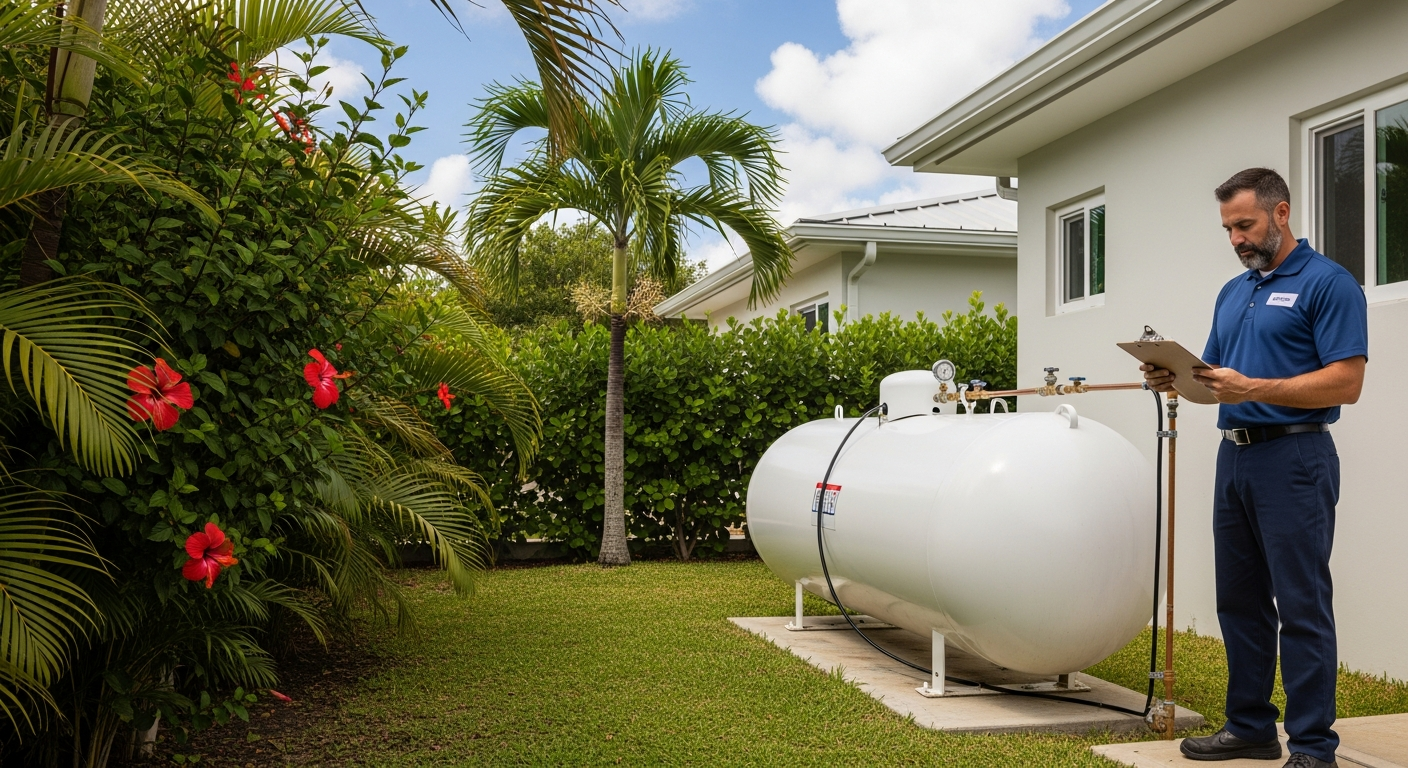
All propane appliance venting in Puerto Rico must comply with NFPA 54 (the National Fuel Gas Code) and the Puerto Rico Fuel Gas Code 2018. These codes establish minimum vent pipe sizes, materials, clearances, termination locations, and combustion air calculations. Only certified technicians may install or modify appliance venting systems, as improper venting creates both CO and fire hazards.
Tropigas certified technicians install and inspect all propane appliance venting to NFPA 54 and Puerto Rico Fuel Gas Code 2018 standards. Call 787-641-8002.
Frequently Asked Questions
Ing. Rodolfo Leo Quiñones
Operations, Sales and Export Manager , Tropigas / Tropigas SXM
Expert in propane energy systems, NFPA compliance, and industrial gas logistics in Puerto Rico and the Caribbean.